IMS, Equipe. Close to Clarice. IMS Clarice Lispector, 2022. Disponível em: https://site.claricelispector.ims.com.br/en/2022/12/08/close-to-clarice/. Acesso em: 06 December 2025.
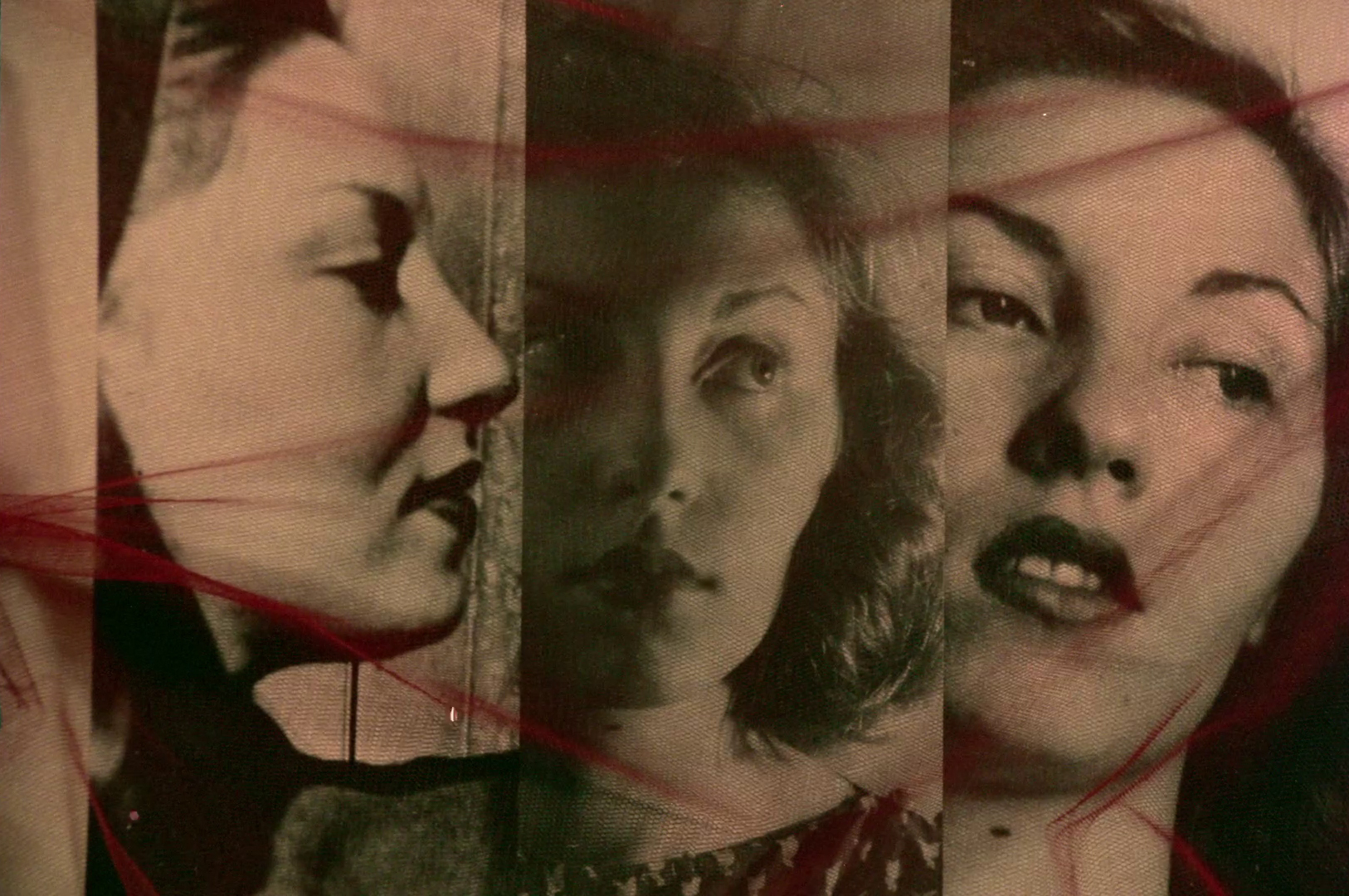
On December 10th, IMS Rio celebrates Clarice Lispector’s birthday. This year, we will present, in a single screening, the short film Perto de Clarice (Close to Clarice), by João Carlos Horta, from 1982, in a new digital version based on the 35mm original preserved by the Audiovisual Technical Center (CTAv).
The film begins with a Hebrew funeral prayer and images of the wake and burial of Clarice Lispector, filled with friends and family, at the Israelite Cemetery, one day after Shabbat in 1977. And it ends with Clarice saying to the television camera: “Now I’ve died, let’s see if I’ll be reborn again.”
Bearing in mind the significant number of young readers, translations into foreign languages, and studies dedicated to her work, we can say that, in the 45 years that followed her death, Clarice has been reborn – “again” – many times. On the 10th, once more, Clarice’s Hour will be celebrated in various parts of the world, in her memory. The writer would have turned 102 years old.
The twelve minutes of the short film about the presence, in image and sound, of Clarice (in a rare audiovisual recording for TV Cultura months before her death) gather off-screen testimonials from friends such as Hélio Pellegrino, Nélida Piñon, and her son Paulo Gurgel Valente; readings of excerpts from her work by Ana Cristina Cesar; and takes of Leme, the neighborhood where the author lived and died in Rio de Janeiro. These and other frames emotionally are punctuated, here and there, by the music of Chopin and the singing of Caetano Veloso.
After the film screening, there will be a conversation between the writer Heloisa Buarque de Holanda, who was involved in the making of the film and is the director’s widow, and Teresa Montero, author of the most recent biography of the writer, À procura da própria coisa (In Search of the Thing Itself – Rocco, 2021), mediated by the IMS literature consultant, the poet Eucanaã Ferraz.
See also
by Augusto Ferraz
I died. I found out when, one day, on the sidewalk of Praça Maciel Pinheiro, I lifted my head, opened my eyes, and saw myself dead, there on the plaza’s sidewalk, the two-story house on the other side of the street. My broken heart inside my chest, the two-story house on Rua do Aragão, 387, where, on the second floor, Clarice Lispector lived a happy childhood here in Recife, despite the pains of the world and experiencing and feeling, mainly, the pains of an implacable disease that would one day take Mania, her mother, away from her. I found out when, laid out on the sidewalk there under the scorching Sunday sun, I turned my head to the right and saw a man beside me, who was also looking at the house.
by Yudith Rosenbaum
The word “unfamiliar” is used by Clarice Lispector in several of her works. To be precise, in the original Portuguese, Clarice employed the neologism infamiliar, which is not in the dictionary, though it cannot be affirmed that the author is the source of this term in Brazilian literature. Nonetheless, by mentioning the word “unfamiliar” at least sixteen times, whether in novels, short stories, or chronicles, the author makes this unique signifier an object of greater attention.
by Bruno Cosentino
Clarice’s connection with politics does not take place on the surface of public life, or in the texts that directly address the issue. This is due to the writer’s understanding of the rift between art and politics, which is addressed in two related texts, “Literature and Justice” and “What I Would Like to Have Been,” in which she observes with disconcerting lucidity the uselessness of her literature as a political instrument.
by Bruno Cosentino
For the journalist Laura Freitas, Clarice’s female characters hide the germ of nonconformity – “the women are wild,” she affirms.
by Matildes Demetrio dos Santos
In addition to confirming the value of the biographical genre as a privileged means to meet the demands of a curious public about the past of famous personalities, Teresa Montero challenges the genre’s conventions by reconstructing the family life, personal experiences, friendships, and creative process of Clarice Lispector, an author who, with all her strengths, gave life to her vocation for literature as a fatality and a salvation.
by Elizama Almeida
In February of 1977, Clarice visited the studios of TV Cultura and accepted the invitation to be interviewed by the journalist Júlio Lerner, host of the program “Panorama Especial”