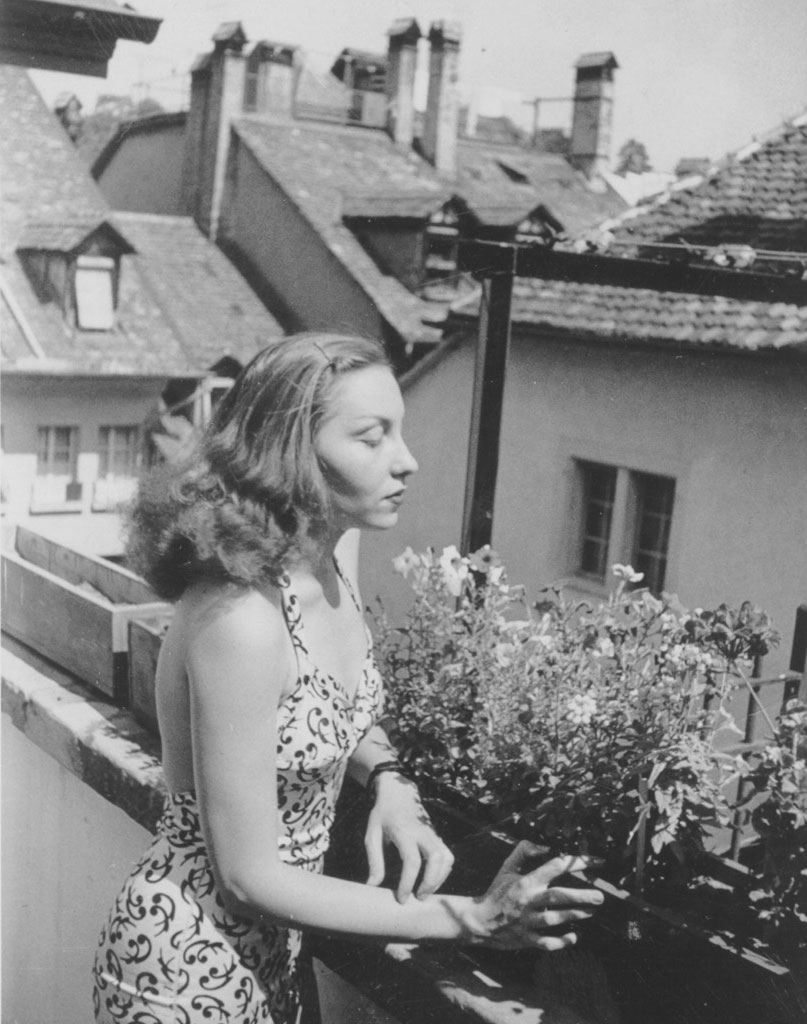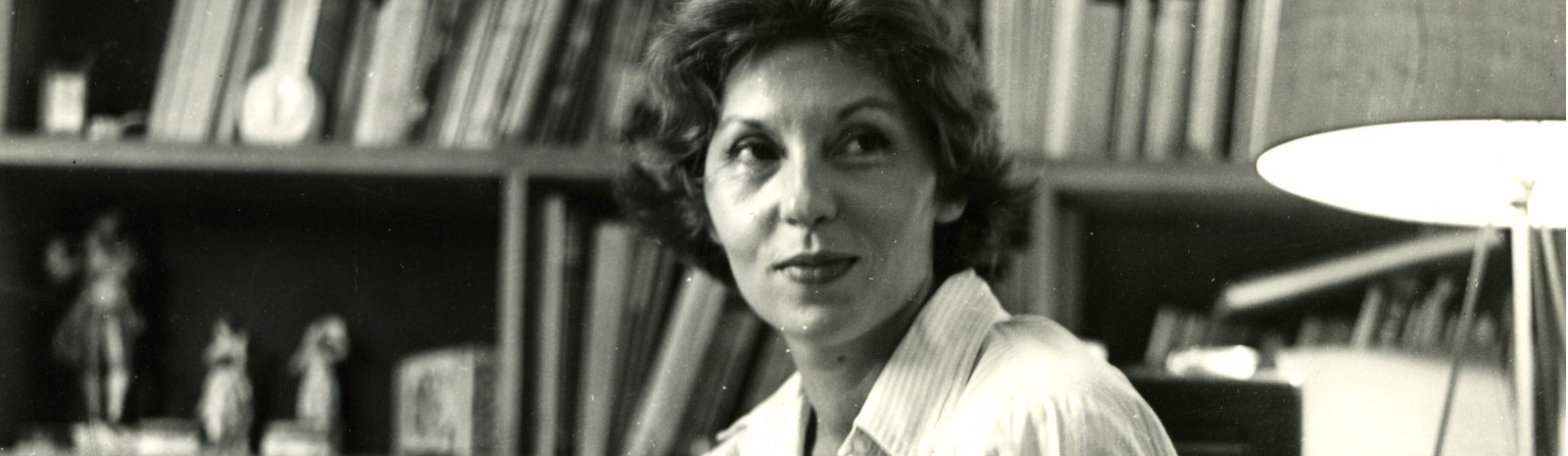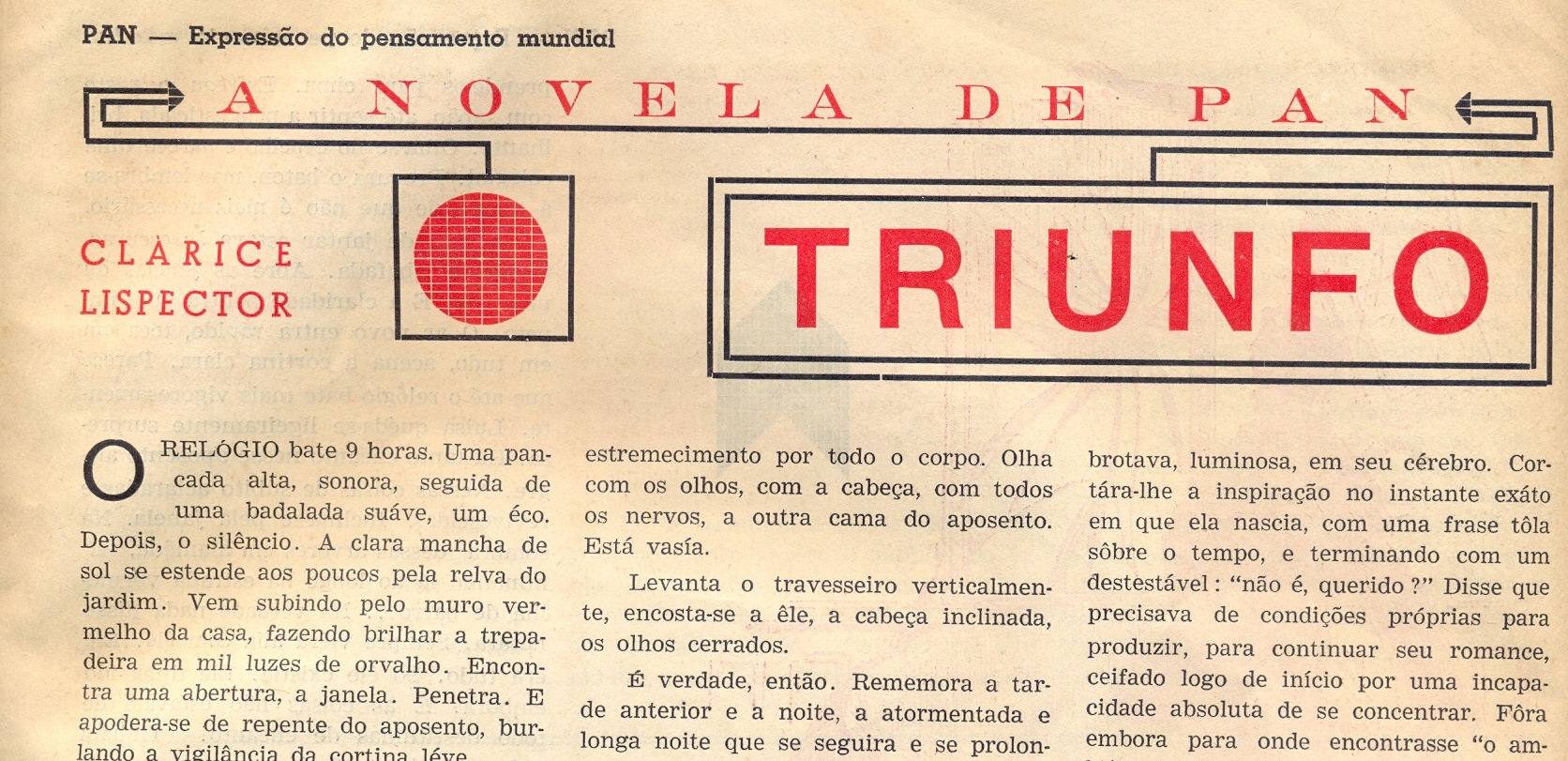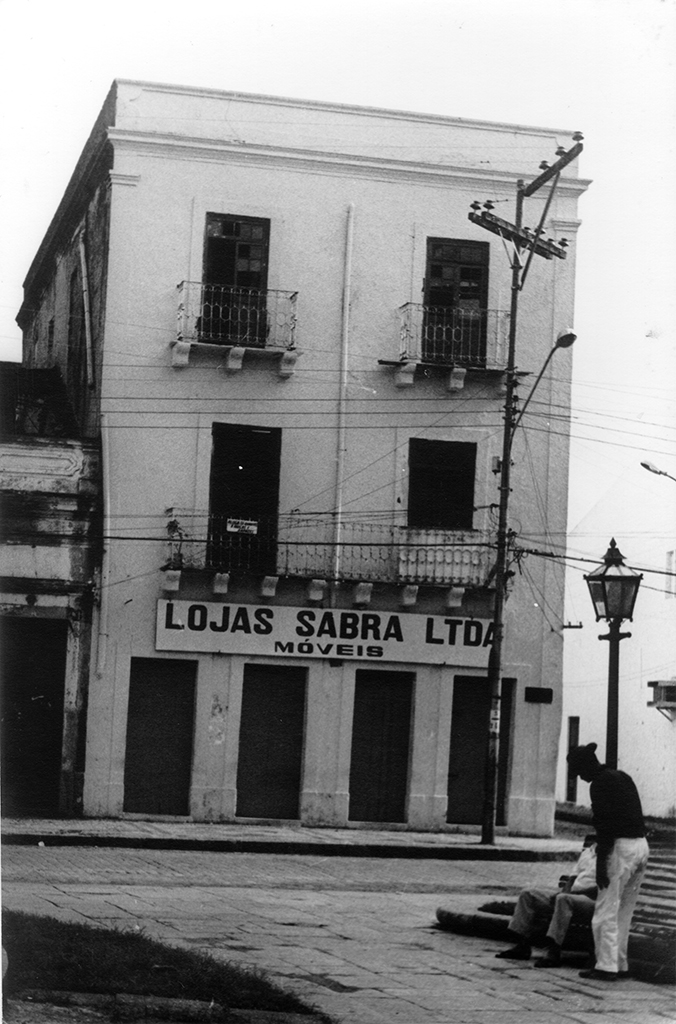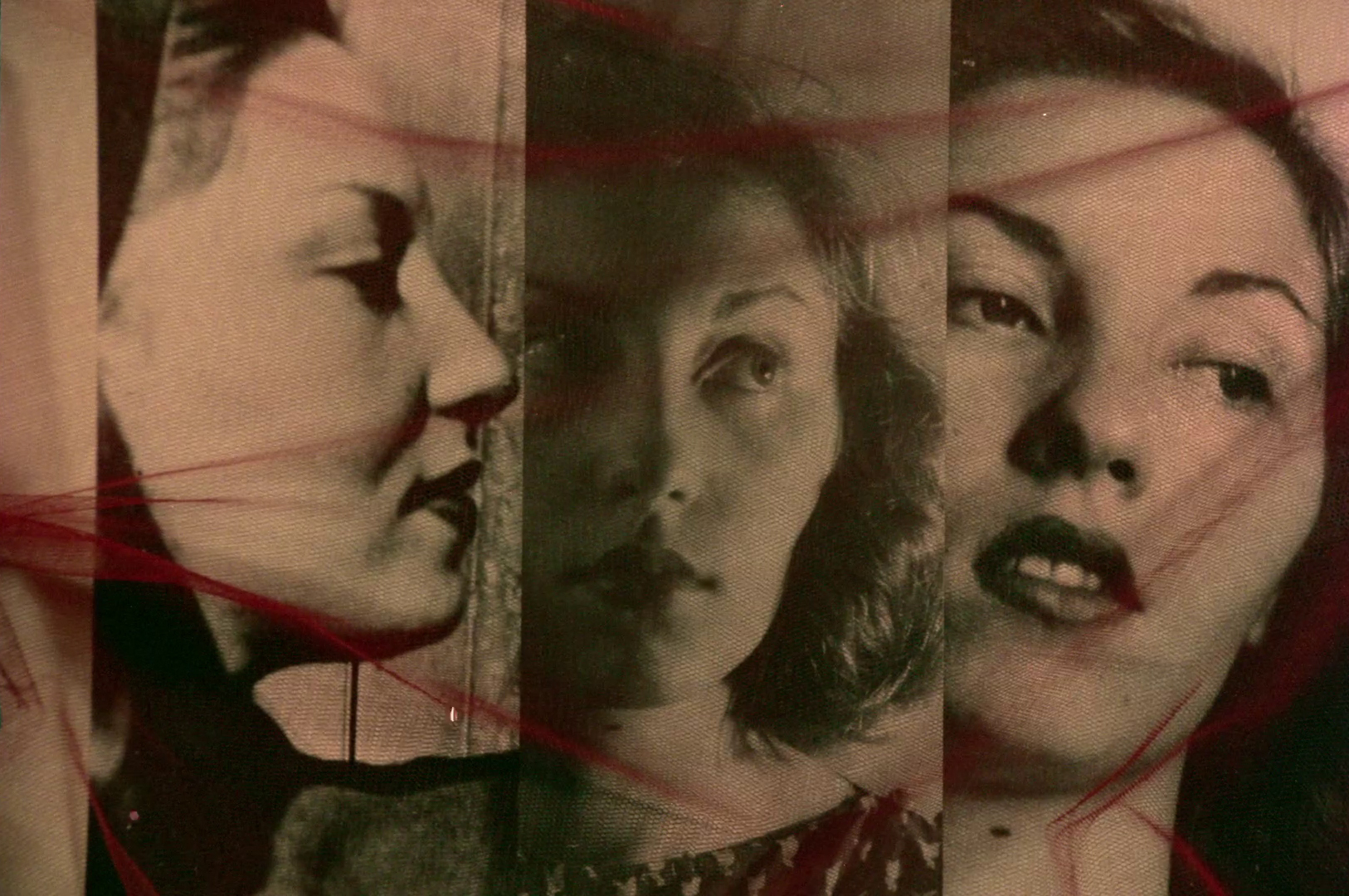
On December 10th, IMS Rio celebrates Clarice Lispector’s birthday. This year, we will present, in a single screening, the short film Perto de Clarice (Close to Clarice), by João Carlos Horta, from 1982, in a new digital version based on the 35mm original preserved by the Audiovisual Technical Center (CTAv).
The film begins with a Hebrew funeral prayer and images of the wake and burial of Clarice Lispector, filled with friends and family, at the Israelite Cemetery, one day after Shabbat in 1977. And it ends with Clarice saying to the television camera: “Now I’ve died, let’s see if I’ll be reborn again.”
Bearing in mind the significant number of young readers, translations into foreign languages, and studies dedicated to her work, we can say that, in the 45 years that followed her death, Clarice has been reborn – “again” – many times. On the 10th, once more, Clarice’s Hour will be celebrated in various parts of the world, in her memory. The writer would have turned 102 years old.
The twelve minutes of the short film about the presence, in image and sound, of Clarice (in a rare audiovisual recording for TV Cultura months before her death) gather off-screen testimonials from friends such as Hélio Pellegrino, Nélida Piñon, and her son Paulo Gurgel Valente; readings of excerpts from her work by Ana Cristina Cesar; and takes of Leme, the neighborhood where the author lived and died in Rio de Janeiro. These and other frames emotionally are punctuated, here and there, by the music of Chopin and the singing of Caetano Veloso.
After the film screening, there will be a conversation between the writer Heloisa Buarque de Holanda, who was involved in the making of the film and is the director’s widow, and Teresa Montero, author of the most recent biography of the writer, À procura da própria coisa (In Search of the Thing Itself – Rocco, 2021), mediated by the IMS literature consultant, the poet Eucanaã Ferraz.
See also
by Elizama Almeida
In the times of social networks, Clarice “cultivates” thousands and thousands of “followers”, of “apps”, and “pages”.
by Betty Bernardo Fuks
Benjamin Moser, one of the most significant biographers of Clarice Lispector, said in an interview that one of his goals in writing Why This World, published in the United States and translated into Portuguese as Clarice, uma biografia, was to make space for a theme rarely explored by literary critics, commentators, and biographers: the writer’s “Judeity.” Most tend to limit themselves to reflecting on her “Brazilianness,” “as if one had to choose between being Jewish and being Brazilian.”
by Equipe IMS
Acclaimed by critics and a popular phenomenon on the internet, Clarice Lispector is considered, internationally, one of the great names in 20th century literature. Mysterious, obscure, revealing, experimental, strangely mystical, or philosophical – how to define the writing of the author of The Hour of the Star? This podcast, conceived and presented by Bruno Cosentino and Eucanaã Ferraz, covers Clarice’s life and work in five episodes, in which they talk to great specialists, professors, and researchers.
by Eucanaã Ferraz
The chronicles of Clarice Lispector were collected in a book for the first time in 1984, in The Discovery of the World, a volume edited by Paulo Gurgel Valente, the author’s son, who arranged in chronological order 468 texts published in the Jornal do Brasil between 1967 and 1973.
by Victor Heringer
In this edition of “Clarice’s Hour,” the IMS Paulista hosted a conversation with Idra Novey, mediated by the poet and editor Alberto Martins.
by Equipe IMS
The film portrays the famous Ulisses, Clarice Lispector’s dog and a prominent character in her life and fiction. He is present in the posthumous novel A Breath of Life, he is the narrator of the children’s book Quase de verdade (Almost True), he was mentioned in countless chronicles, and today he is immortalized, alongside his owner, in a bronze statue at Leme Beach, in Rio de Janeiro.