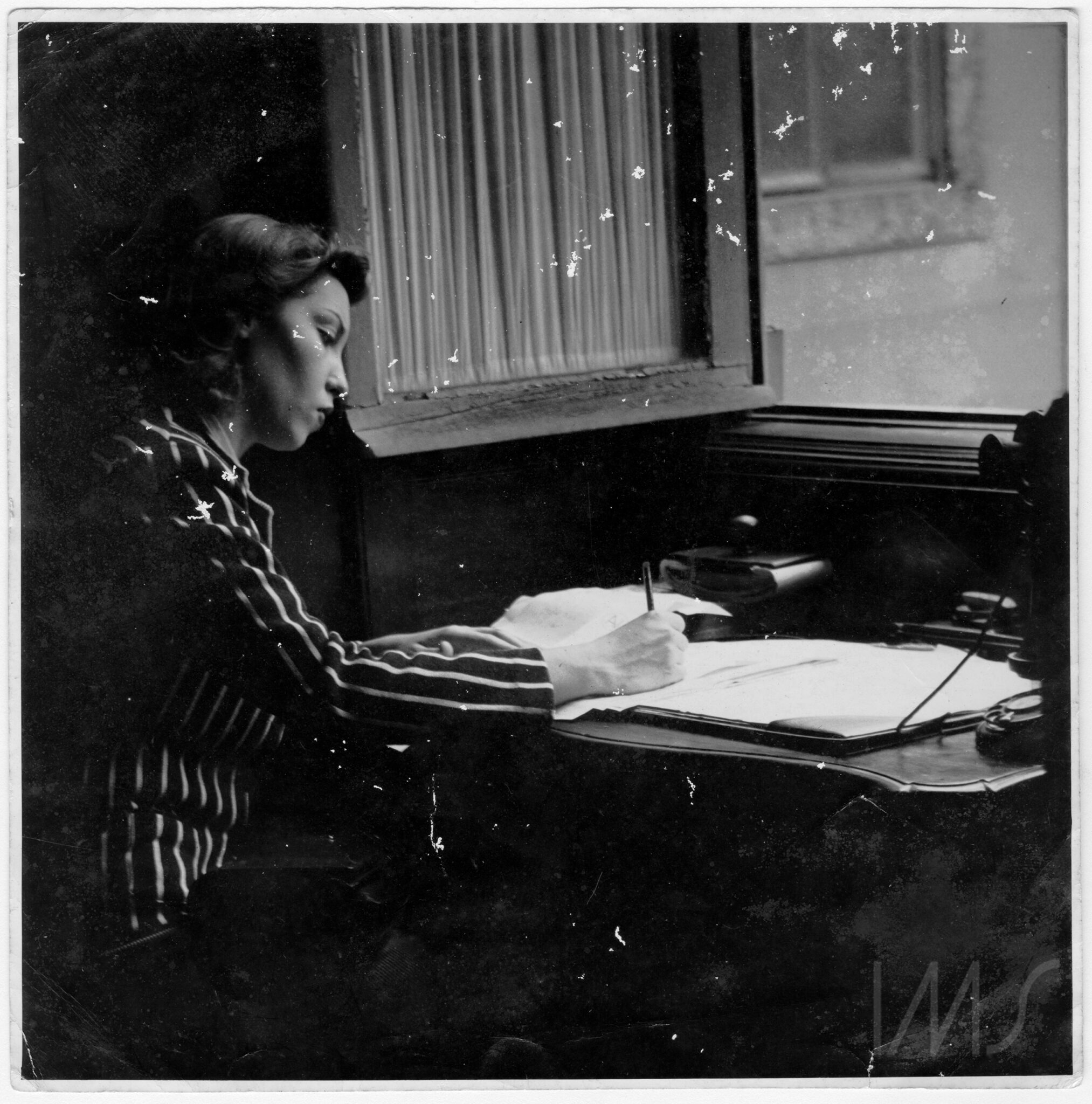
Clarice Lispector will be honored at the Brazil booth at the 44th Buenos Aires International Book Fair, which will take place between April 24 and May 14.
The project entails a multi-language exhibition about the Brazilian writer composed of a large poster board with her image, biography, and fragments of her work; books for sale in Portuguese and Spanish editions; video projections with interviews about her; and a replica of her statue, the original of which is located at Leme Beach, in Rio de Janeiro, where visitors can take photos.
On May 5, a day dedicated to Brazil, the booth will also hold a reading of dialogues by the author, read by five Argentinian actors, followed by a performance of her texts by the actress Luísa Kuliok in an auditorium for up to a thousand people.
*Photo: Unknown photographer/ Clarice Lispector Archive/ IMS
See also
by Elizama Almeida
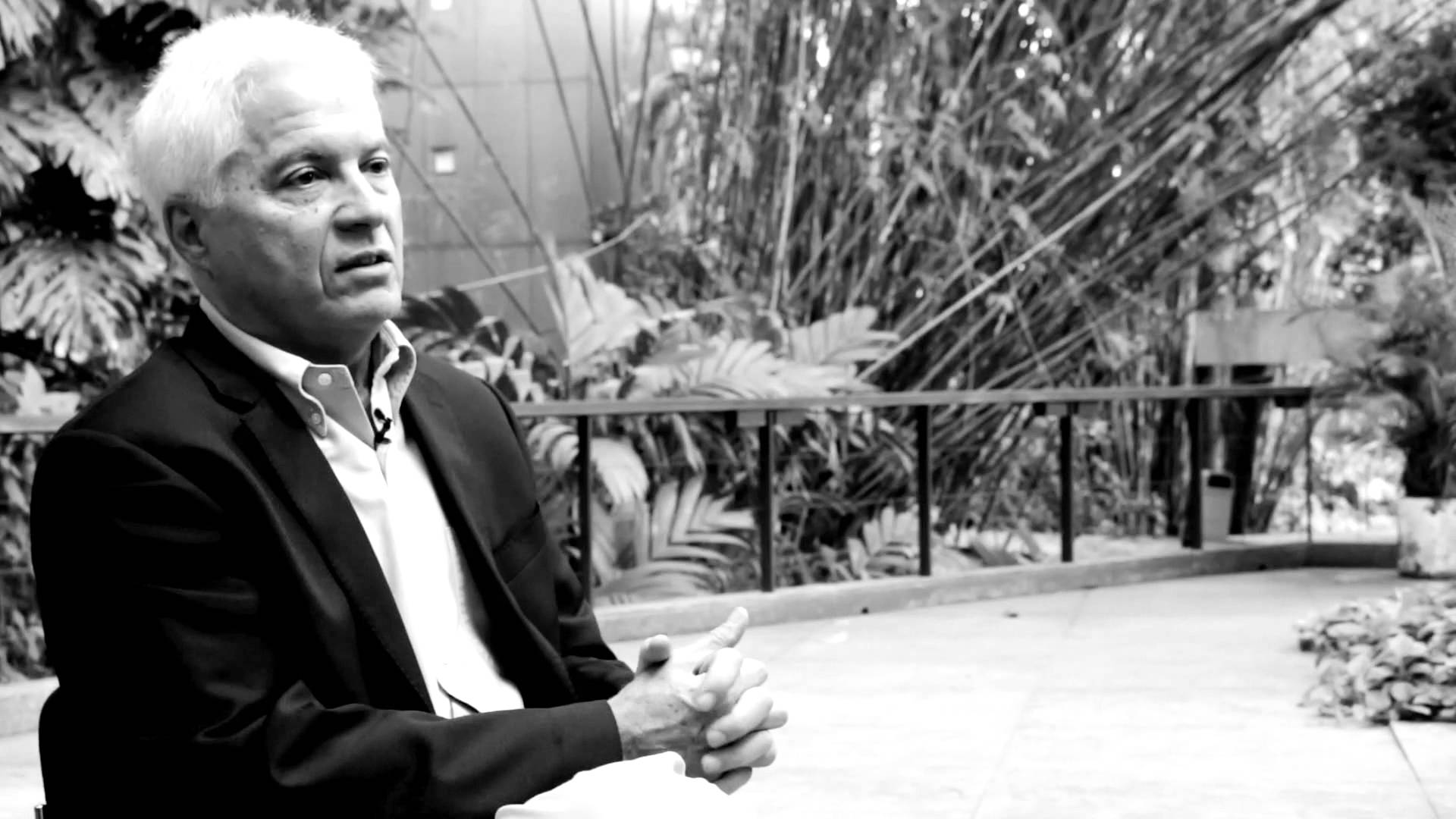
Paulo Gurgel Valente, Clarice's son, spoke with Eucanaã Ferraz and Elizama Almeida and recalls, for example, the personalities who frequented his home.
by Elizama Almeida
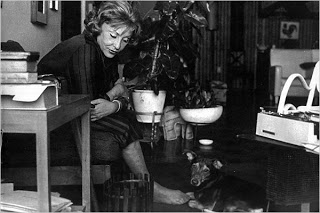
Ulysses was Clarice Lispector’s last dog, a mongrel who stole cigarette butts and queued for Coca-Cola and whiskey for visitors. He was so eccentric that he earned a robust note in the infamous periodical O Pasquim.
by Bruno Cosentino
The critic José Castello will teach new classes for Grupo Clarice, a group dedicated to the reading and study of the works of Clarice Lispector. Among the works discussed are...
by Antonio Ladeira
[...] throughout all of Clarice’s work there is a dazzling – almost primordial, inaugural, Edenic – vision of gender, of the man-woman division. One notes a frightened fascination that there is a male-animal-man in the world, as we read, for example, in the short story “The Buffalo,” and also in another story about phantasmic and monstrous masculinity titled “The Dinner”.
by Betty Bernardo Fuks
Benjamin Moser, one of the most significant biographers of Clarice Lispector, said in an interview that one of his goals in writing Why This World, published in the United States and translated into Portuguese as Clarice, uma biografia, was to make space for a theme rarely explored by literary critics, commentators, and biographers: the writer’s “Judeity.” Most tend to limit themselves to reflecting on her “Brazilianness,” “as if one had to choose between being Jewish and being Brazilian.”
by Bruno Cosentino
Clarice’s connection with politics does not take place on the surface of public life, or in the texts that directly address the issue. This is due to the writer’s understanding of the rift between art and politics, which is addressed in two related texts, “Literature and Justice” and “What I Would Like to Have Been,” in which she observes with disconcerting lucidity the uselessness of her literature as a political instrument.