, Paulo Gurgel Valente Remembers His Mother, Clarice Lispector. IMS Clarice Lispector, 2014. Disponível em: https://site.claricelispector.ims.com.br/en/2014/12/09/paulo-gurgel-valente-recorda-sua-mae-clarice-lispector/. Acesso em: 07 April 2026.
On December 10, the Moreira Salles Institute presents the fourth edition of Clarice’s Hour, an event that marks Clarice Lispector’s birthday (1920-1977).
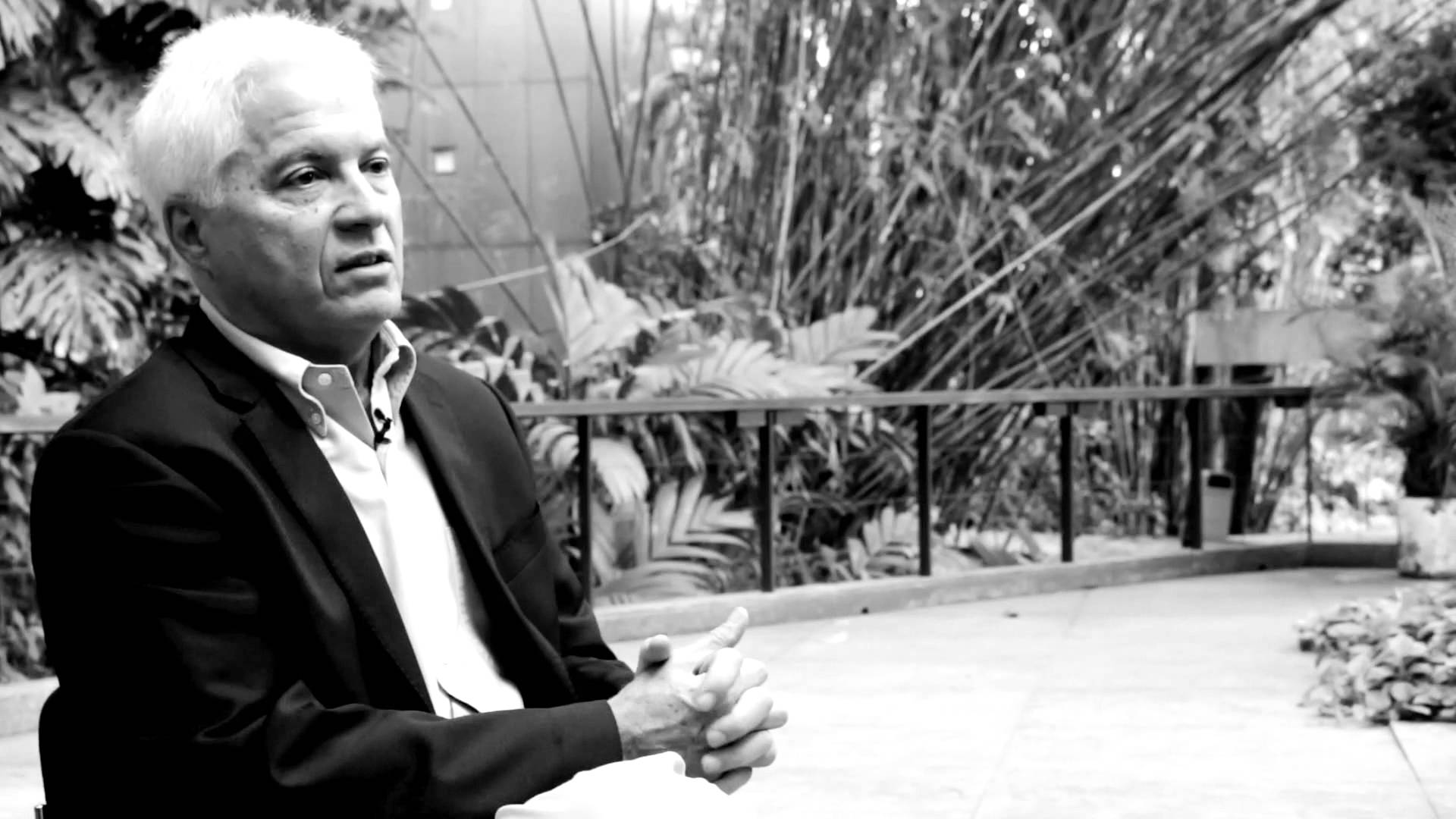
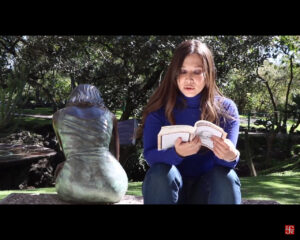
As part of the commemoration, IMS has produced a video interview with Paulo Gurgel Valente, son of the writer, who spoke with Eucanaã Ferraz and Elizama Almeida and recalls, for example, the personalities who frequented his home and the first book that he read by his mother.
The frequent allusion to domestic servants in the urban environment of her chronicles demonstrates what is a reality for many middle-class families in the country: incorporated into the intimate environment of the home in the condition of a “domesticated outsider”, the domestic servant constitutes the most lasting and personal relationship that a member of the middle class allows themselves to establish with poverty.
I believe that Clarice and I shared a common feeling: objects are not inanimate, on the contrary, they have a secret life. I do not know if the reader has already tried turning off the lights at night in your room and, little by little, noticed that your eyes adapt to the dark and finally you can perceive the living presence of things.
Every year, in the liturgical calendar of the Catholic Church, Carnival is followed by Lent, a period in which the faithful withdraw from mundane life to dedicate themselves to sacrifices, charity, and prayer.
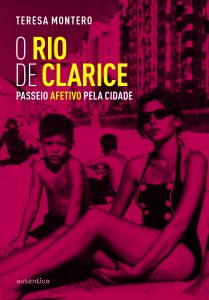
In the book Rio de Clarice, the author's pleasure in wandering the streets, forests, parks, and beaches of Rio de Janeiro, where she arrived as a 15-year-old, is evident.