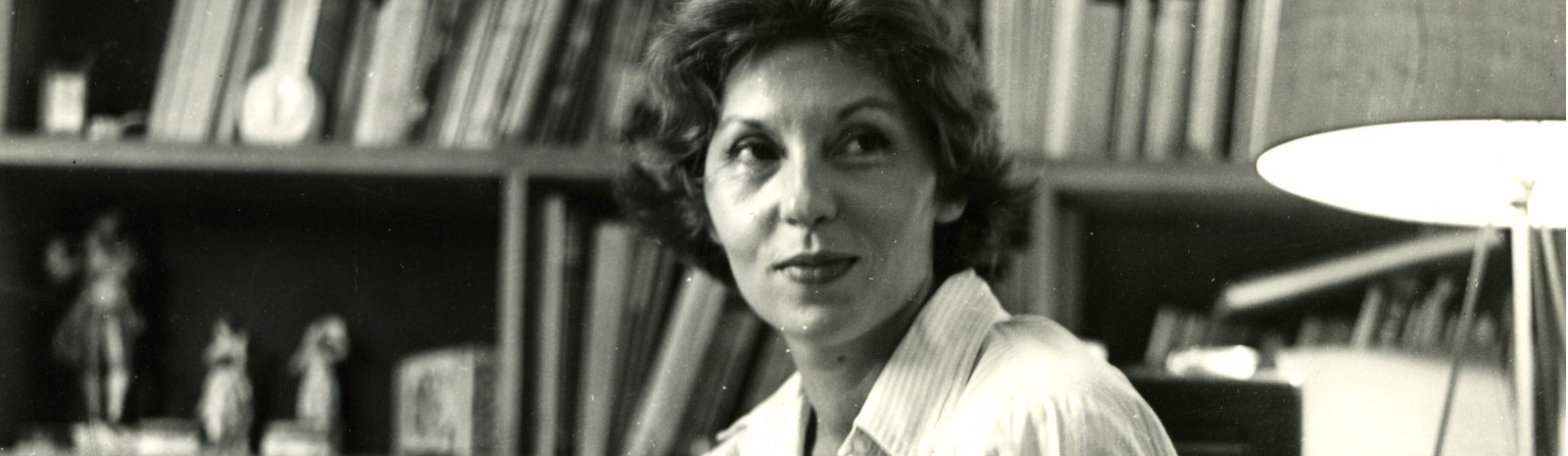
Celebrated in Argentina, New York, and Paris, Clarice’s Hour 2016, organized by the Moreira Salles Institute, was divided last year between the themes of correspondence and translation.
Clarice Lispector’s oeuvre has been consolidated through recent translations into French, Spanish, Greek, and, above all, English. It is certainly true that the publication of all the stories in a single volume, The Complete Stories, included in the New York Times best books list, provoked a new wave of interest and readers. The arduous and, at the same time, delicate transposition of Lispector’s stories from Portuguese into English was the responsibility of Katrina Dodson – whose efforts were recognized with the Pen Translation Prize.
A little more of the translation work could be appreciated on December 10, 2016, with a chat between Katrina Dodson and Paloma Vidal, a Brazilian poet and professor who translated and wrote the preface to Un soplo de vida (Um sopro de vida/A Breath of Life) and La legión extranjera (A legião estrangeira/The Foreign Legion), released by the Argentinian publisher Corregidor in 2010 and 2011.
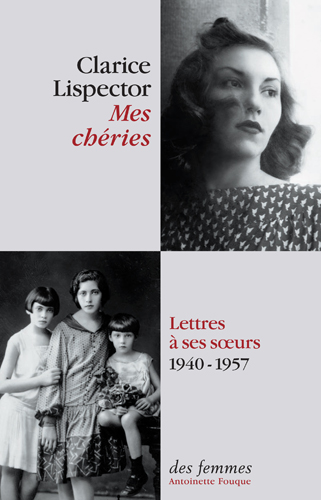
In the second part of the celebration, Clarice’s Hour turns its attention to the rich set of affectionate letters Clarice sent to her sisters, Tania Kaufman and Elisa Lispector, during the period in which she was living outside Brazil. From the selection of this set of more than 150 items under the care of the IMS and directed by Bruno Lara Resende, at 6:30 pm the actresses Georgiana Góes, Gisele Fróes, and Raquel Iantas performed a reading of the letters – there are themes such as the difficulty of publishing her second novel, O lustre (The Chandelier), the marriage dynamic, the end of the Second World War, and the birth of her two sons, Pedro and Paulo.
Both events can be viewed with complete details available below:
Benjamin Moser, one of the most significant biographers of Clarice Lispector, said in an interview that one of his goals in writing Why This World, published in the United States and translated into Portuguese as Clarice, uma biografia, was to make space for a theme rarely explored by literary critics, commentators, and biographers: the writer’s “Judeity.” Most tend to limit themselves to reflecting on her “Brazilianness,” “as if one had to choose between being Jewish and being Brazilian.”
In partnership with the Department of Humanities at Columbia University, the IMS presents the international seminar The Clarice Factor: Aesthetics, Gender, and Diaspora in Brazil.
I spent an unforgettable weekend in Cabo Frio, hosted by Scliar who painted two portraits of me. Scliar’s house is very beautiful. Cabo Frio inspires Scliar. I asked him about so much creativity.
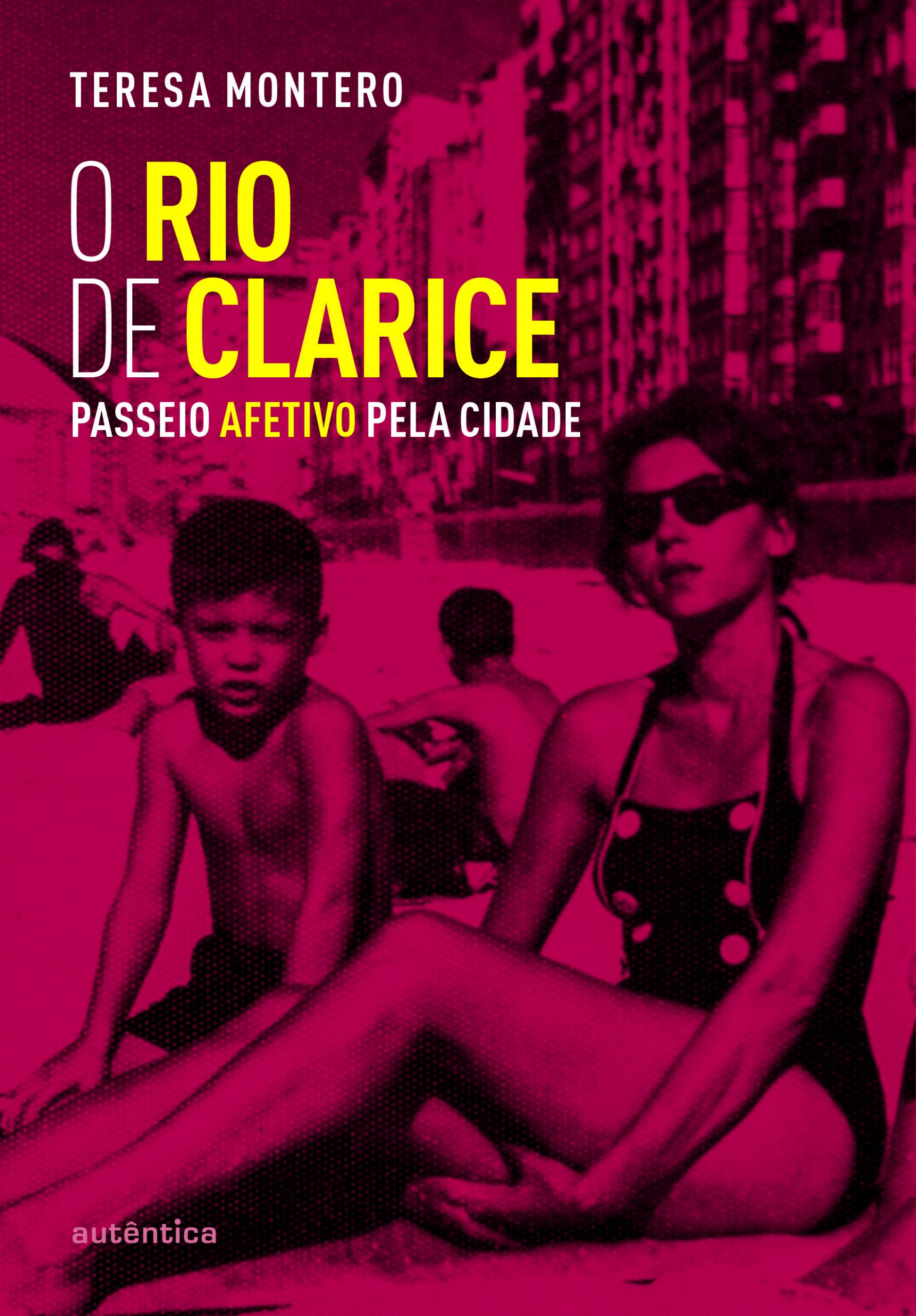
In addition to confirming the value of the biographical genre as a privileged means to meet the demands of a curious public about the past of famous personalities, Teresa Montero challenges the genre’s conventions by reconstructing the family life, personal experiences, friendships, and creative process of Clarice Lispector, an author who, with all her strengths, gave life to her vocation for literature as a fatality and a salvation.
Michel de Certeau, in his La fable mystique, addresses an important aspect in the relation between idiocy and holiness in the first centuries, particularly in Christian literature, namely: a mode of isolation in the crowd. Idiocy, in the form of madness, is attributed to the crowd, and additionally, is established as a provocation, a transgression in the field of the “right-minded.”
Every year the University of Tennessee prepares AuthorFest, a series of activities to celebrate the work of a single author. In its second edition, AuthorFest paid tribute to Clarice Lispector.