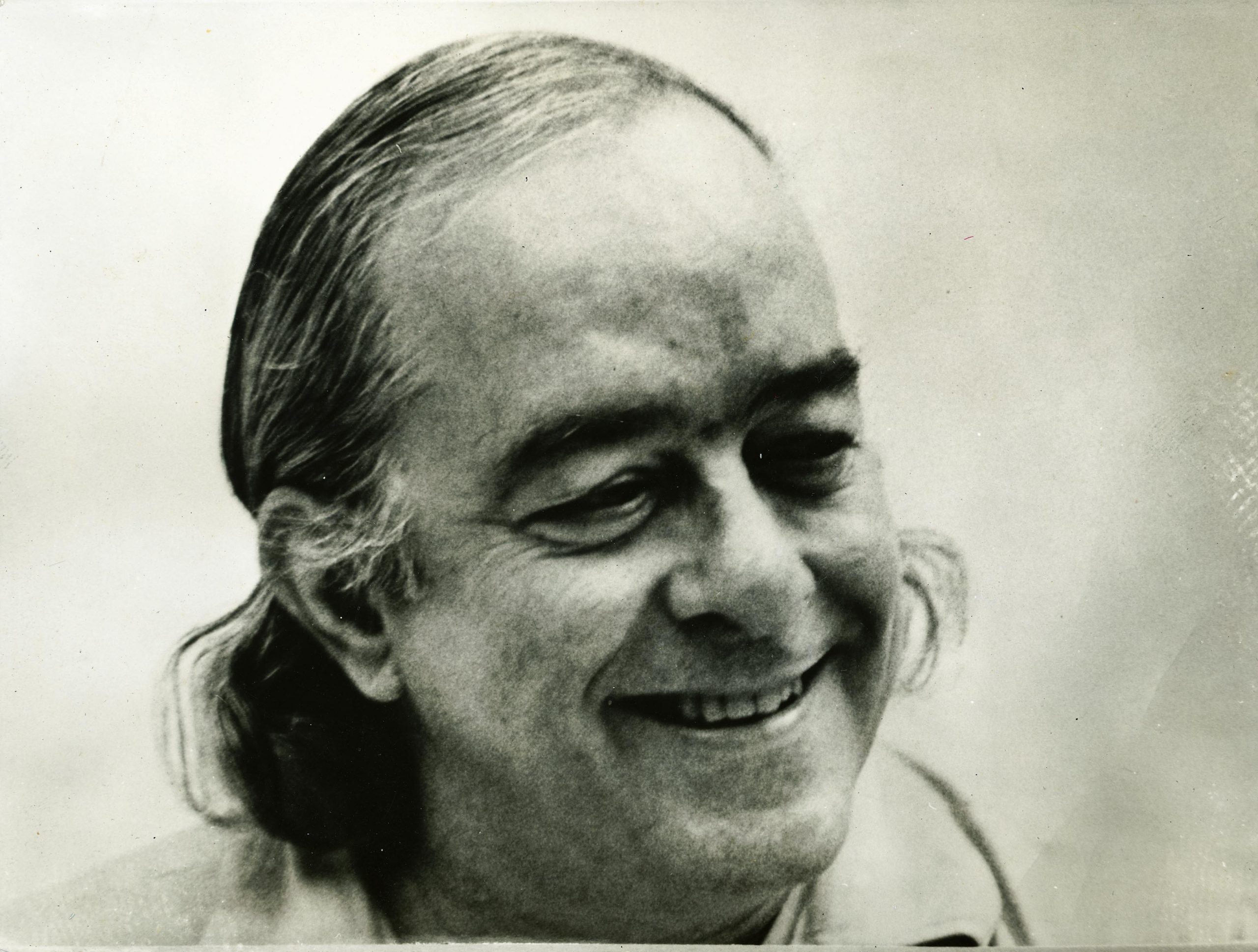
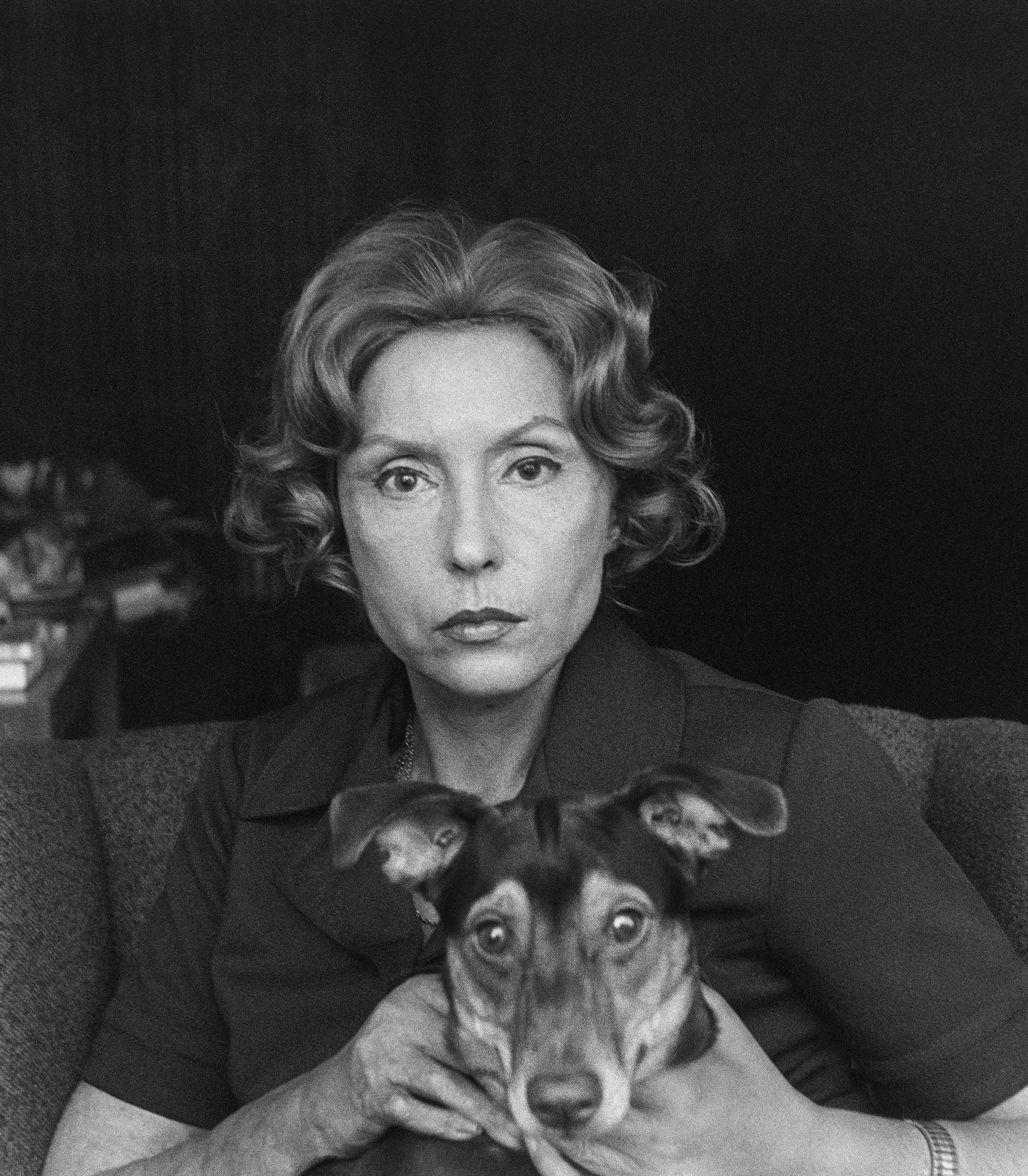
The Moreira Salles Institute, in partnership with the Department of Humanities at Columbia University, presents the international seminar The Clarice Factor: Aesthetics, Gender, and Diaspora in Brazil, which will take place on the 23rd (Thursday), 24th (Friday), and 29th (Wednesday) of March, at Casa Hispánica, in New York City.
The inaugural milestone of the collaboration between IMS and Columbia University began in December 2015, at the Institute’s headquarters in Rio de Janeiro, with the colloquium Brazil: Global Crossing, which brought together Columbia University researchers, Brazilian professors and specialists, in addition to the coordinators of the IMS collection, in multidisciplinary discussions on the modernization process in Brazil.
Since then relations between the two institutions have strengthened with the announcement of the new event organized by Ana Paulina Lee and Graziela Montaldo, from the Department of Iberian and Latin American Cultures at Columbia University, and by the IMS Research Directorate.
Completely dedicated to discussions on Clarice’s writing as performance, form, sound, and material, the tables will mostly occur on the 24th, with the participation of researcher-professors from several universities. IMS guests include Carlos Mendes de Sousa, Vilma Arêas (University of São Paulo-Campinas), and Yudith Rosenbaum (University of São Paulo). Also confirmed are Katrina Dodson, award-winning translator for the edition of The Complete Stories, and Argentinian Gabriel Giorgi, Associate Professor at New York University.
The event will also feature the installation Edge of Nothing by theater director Dara Malina, who in 2015 had adapted The Hour of the Star for the theater at the same university.
See also
by Antonio Xerxenesky
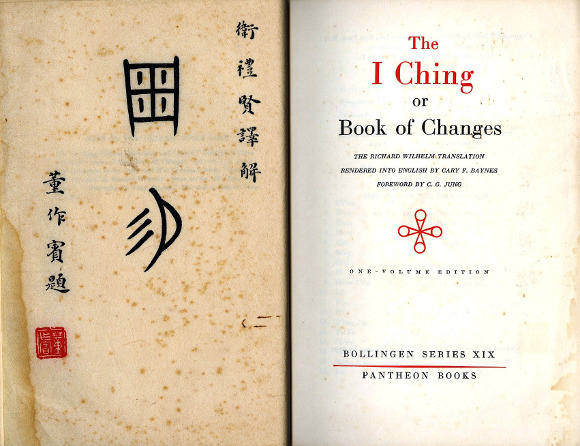
Clarice left various papers with drafts to calculate responses provided by the I Ching. Some of the questions are scribbled, such as “What’s my future in general?”
by Maria Clara Bingemer
The numerous commentators who not only in Brazil but also throughout the world investigate Clarice Lispector’s work encounter several aspects to highlight in her multifaceted writing.1 From the fruitful tension between transcendence and contingence to the profound and refined attention to the human condition, one can encounter an immense variety of dimensions in her body of writings.
by Augusto Ferraz
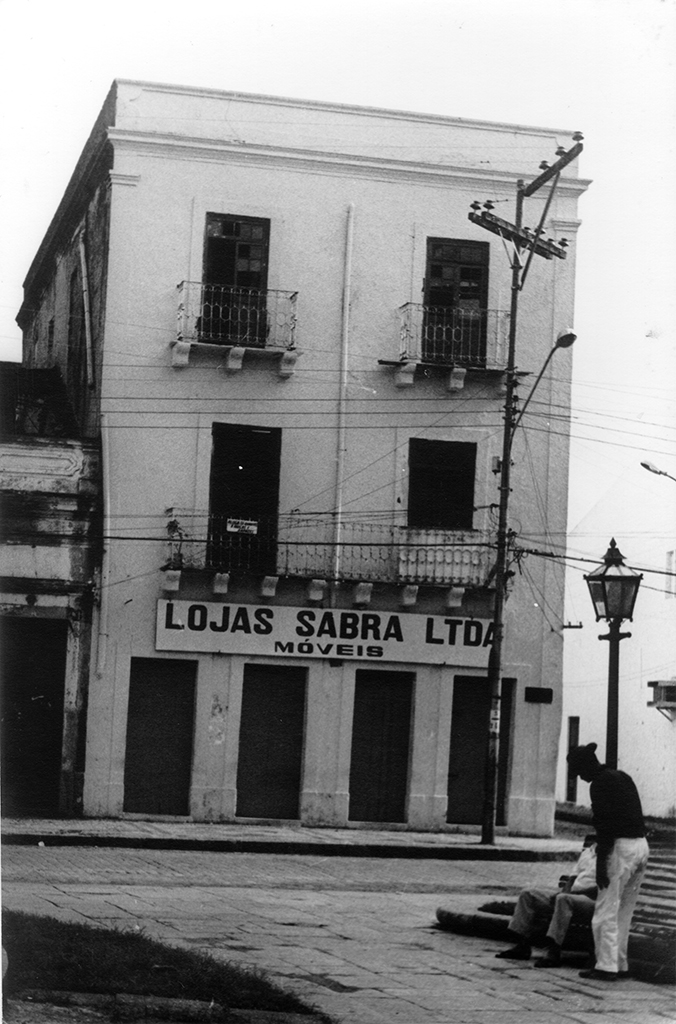
I died. I found out when, one day, on the sidewalk of Praça Maciel Pinheiro, I lifted my head, opened my eyes, and saw myself dead, there on the plaza’s sidewalk, the two-story house on the other side of the street. My broken heart inside my chest, the two-story house on Rua do Aragão, 387, where, on the second floor, Clarice Lispector lived a happy childhood here in Recife, despite the pains of the world and experiencing and feeling, mainly, the pains of an implacable disease that would one day take Mania, her mother, away from her. I found out when, laid out on the sidewalk there under the scorching Sunday sun, I turned my head to the right and saw a man beside me, who was also looking at the house.
by Bruno Cosentino
In the interviews done by Clarice there is a sort of unsuitableness for the job with respect to journalistic technique. With Vinicius de Moraes, her first approach sounds like a provocation: “Vinicius, have you really ever loved anyone in life?”
by Marina Colasanti
The day I met Clarice was not the same day she met me. I was all adoration, observing her. She had no reason to even lay eyes on me. Leaving the Jornal do Brasil newsroom together, the journalist Yllen Kerr, a great friend of mine, said he was going to visit Clarice and asked if I wanted to go. Did I ever!
by Equipe IMS
The film portrays the famous Ulisses, Clarice Lispector’s dog and a prominent character in her life and fiction. He is present in the posthumous novel A Breath of Life, he is the narrator of the children’s book Quase de verdade (Almost True), he was mentioned in countless chronicles, and today he is immortalized, alongside his owner, in a bronze statue at Leme Beach, in Rio de Janeiro.