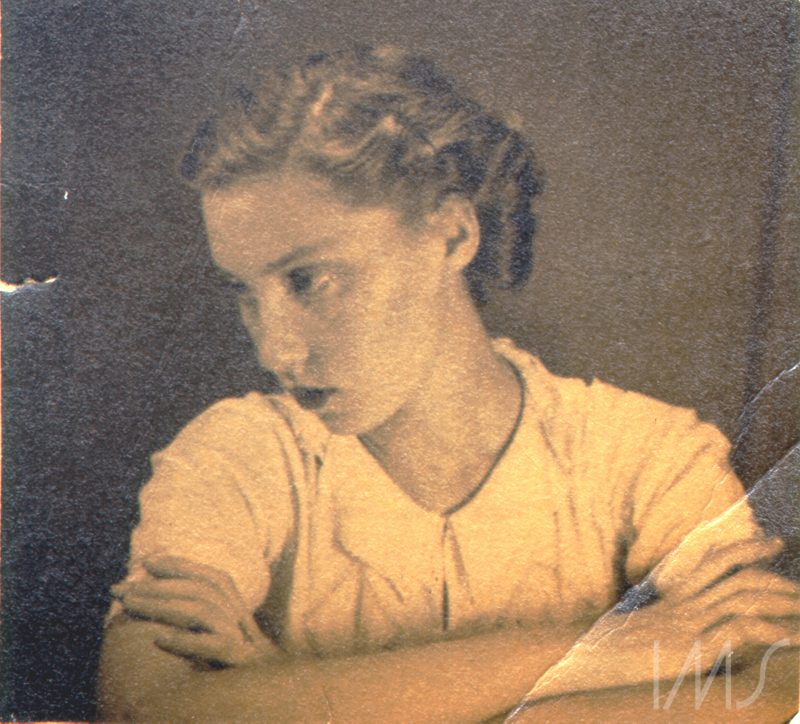
While the cariocas, residents of Rio de Janeiro, prepare for the long holiday weekend in honor of Black Consciousness Day, St. Peter’s College, at the University of Oxford in England, is promoting a turbo-charged schedule for November 17-18 in honor of Clarice Lispector, to celebrate the 40th anniversary of her death.
Organized by Professor Claire Williams, the conference After Clarice: Lispector’s Legacy will gather the greatest experts of the work of the author of The Passion According to G.H. to discuss a wide range of topics.
By counting on academics who translated Clarice’s works, the conference aims to shed light on the different perspectives of translators into various languages, a topic that will lead to much debate.
Artists who have interpreted Clarice, personage or work, will not be left out. Gathering professors from Berlin to Beijing, including scholars from the University of Minho and the University of Ceará, and, of course, counting on several in-house professors, After Clarice will also hear specialists with respect to the editorial policies around the work of the honored author– not losing sight also of Clarice Lispector, the newspaper chronicler, who wrote to earn a living.
“To write is to shine,” Otto Lara Resende affirmed in the profile he created of the writer. Yes, Clarice will indeed shine in the English autumn at Oxford.
Those interested can see the schedule on the site https://afterclarice.wordpress.com/
See also
by Cicero Cunha Bezerra
Michel de Certeau, in his La fable mystique, addresses an important aspect in the relation between idiocy and holiness in the first centuries, particularly in Christian literature, namely: a mode of isolation in the crowd. Idiocy, in the form of madness, is attributed to the crowd, and additionally, is established as a provocation, a transgression in the field of the “right-minded.”
by Equipe IMS
The Brazil LAB is an interdisciplinary initiative at Princeton University that considers Brazil to be a crucial nexus for us to understand today’s most pressing issues. Based at PIIRS (Princeton Institute of International and Regional Studies), the LAB brings together professors, researchers, and students from more than 20 different university departments (from the social to the natural sciences, from engineering to the arts and humanities) in interaction with dozens of researchers from academic institutions of excellence.
by Victor Heringer
The Chandelier, Clarice Lispector’s second novel, published in 1946, was just translated into English by Benjamin Moser and Magdalena Edwards.
by Elizama Almeida
Celebrated in Argentina, New York, and Paris, 2016 Clarice’s Hour was divided last year between the themes of epistolary and translation.
by Mariana Valente
Starting next May, the shelves of Brazilian bookstores will display copies of A mulher que matou os peixes (The Woman Who Killed the Fish) with a new look.
by Elizama Almeida
Written in the 1950s, during the period in which she lived in Washington, The Mystery of the Thinking Rabbit was the first children’s book written by Clarice Lispector.