, Clarice in Mexico. IMS Clarice Lispector, 2017. Disponível em: https://site.claricelispector.ims.com.br/en/2017/12/13/clarice-no-mexico/. Acesso em: 30 March 2026.
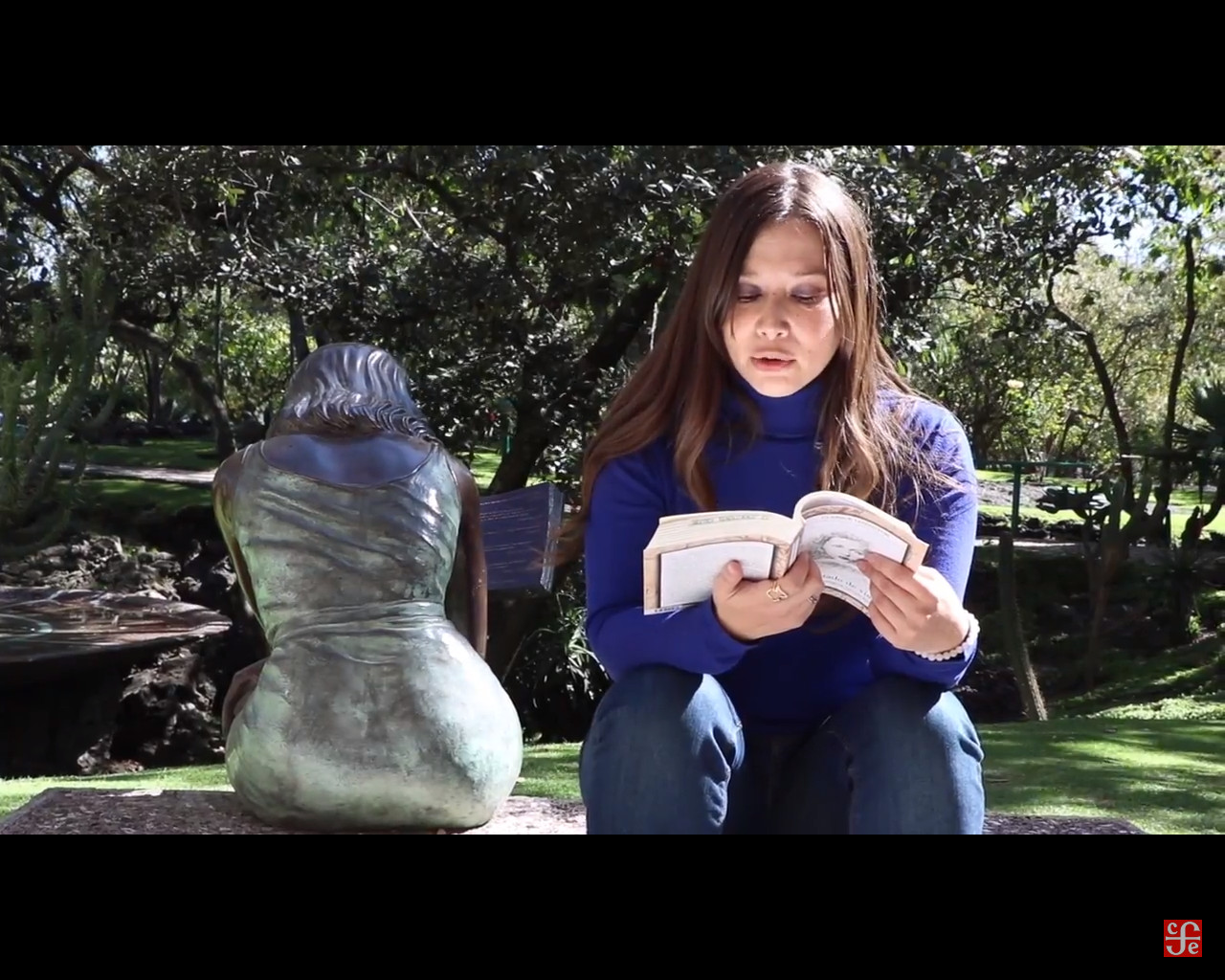
Clarice Lispector’s birthday was last Sunday, December 10th, but the Clarice’s Hour celebrations continue in Brazil and abroad. In Mexico, the Fondo de Cultura Económica celebrated the date with a presentation of En estado de viaje (published by the FCE in 2017), an assemblage of texts from the period when the author was abroad (between 1944 and 1959). Check out excerpts from the reading in the video, with the participation of Tálata Rodriguez.
See also
 by Bruno Cosentino
The critic José Castello will teach new classes for Grupo Clarice, a group dedicated to the reading and study of the works of Clarice Lispector. Among the works discussed are...
 by Antonio Xerxenesky
Clarice left various papers with drafts to calculate responses provided by the I Ching. Some of the questions are scribbled, such as “What’s my future in general?”
 by Patrick Gert Bange
In a small, vast, and brilliant book called Three Steps on the Ladder of Writing, by Hélène Cixous (1993), the author is taken to three schools by writers that she loves: the School of the Dead, the School of Dreams, and the School of Roots. One of the books that transport Cixous to the School of Dreams is Clarice Lispector’s second published novel, The Chandelier.
 by Jorge Carrion
The Spanish writer and critic Jorge Carrión recently published, in The New York Times, an essay about the life and work of Clarice Lispector.
 by Elizama Almeida
It’s the end of 1943. A publishing house of little cultural relevance, A Noite, releases the exceptional Near to the Wild Heart, a book by a 22-year-old author and former employee of the publisher.
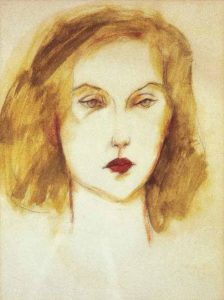 by Clarice Lispector
I spent an unforgettable weekend in Cabo Frio, hosted by Scliar who painted two portraits of me. Scliar’s house is very beautiful. Cabo Frio inspires Scliar. I asked him about so much creativity.