

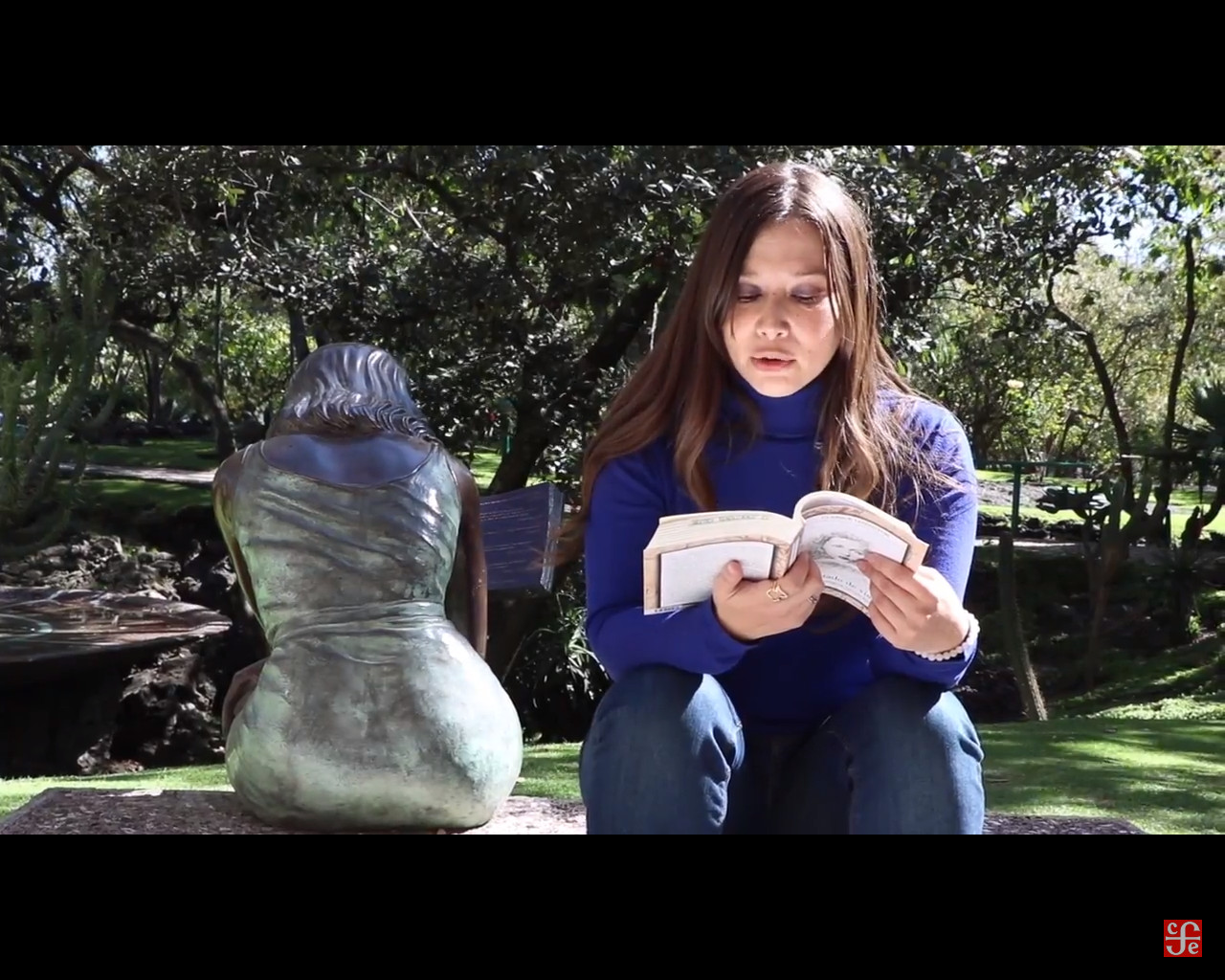
Clarice Lispector’s birthday was last Sunday, December 10th, but the Clarice’s Hour celebrations continue in Brazil and abroad. In Mexico, the Fondo de Cultura Económica celebrated the date with a presentation of En estado de viaje (published by the FCE in 2017), an assemblage of texts from the period when the author was abroad (between 1944 and 1959). Check out excerpts from the reading in the video, with the participation of Tálata Rodriguez.
Clarice in Mexico
Footnotes
See also

Clarice’s three women
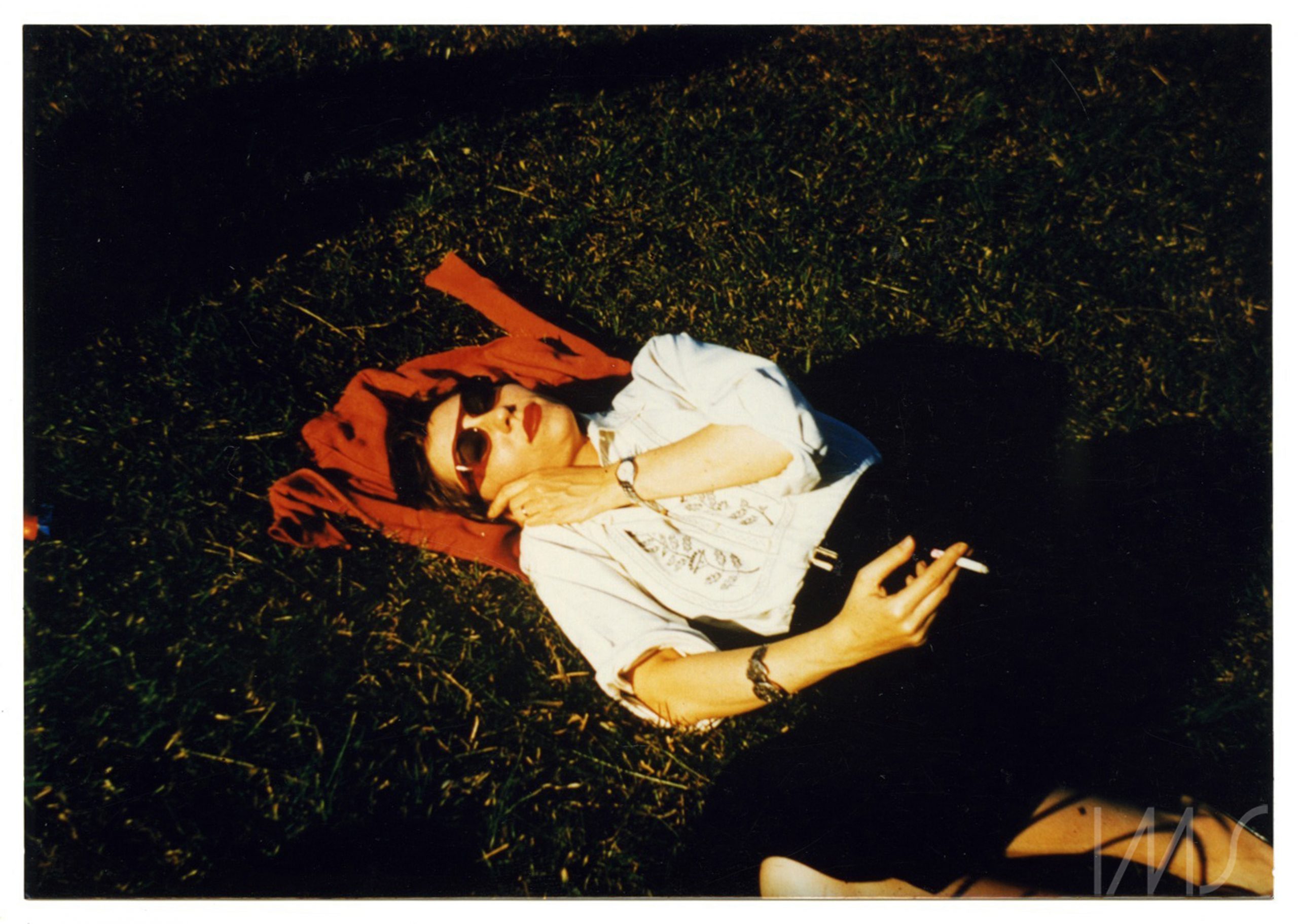
Correio para mulheres (Women’s Mail), edited by Aparecida Maria Nunes, includes texts by Clarice Lispector directed towards a female readership and written in three distinct moments in the writer’s career.
Clarice Lispector by Jorge Carrión
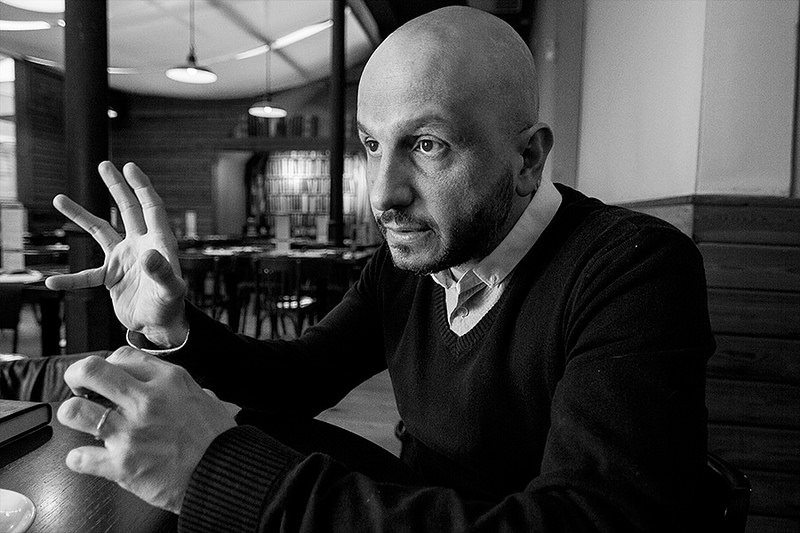
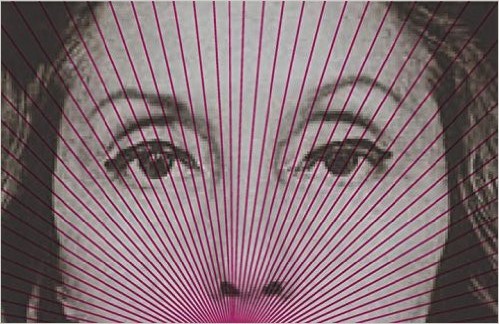
The Spanish writer and critic Jorge Carrión recently published, in The New York Times, an essay about the life and work of Clarice Lispector.
LispectorFest at the University of Tennessee
Every year the University of Tennessee prepares AuthorFest, a series of activities to celebrate the work of a single author. In its second edition, AuthorFest paid tribute to Clarice Lispector.
The New York Times Book Review
The Complete Stories, a volume of short stories by Clarice Lispector edited by Benjamin Moser, was included on the prestigious list of 100 Best Books of 2015.
Clarice Lispector’s hour and turn
The year 2017 marked the 40th anniversary of The Hour of the Star, the last book written by Clarice Lispector, which was published in the year of her death.