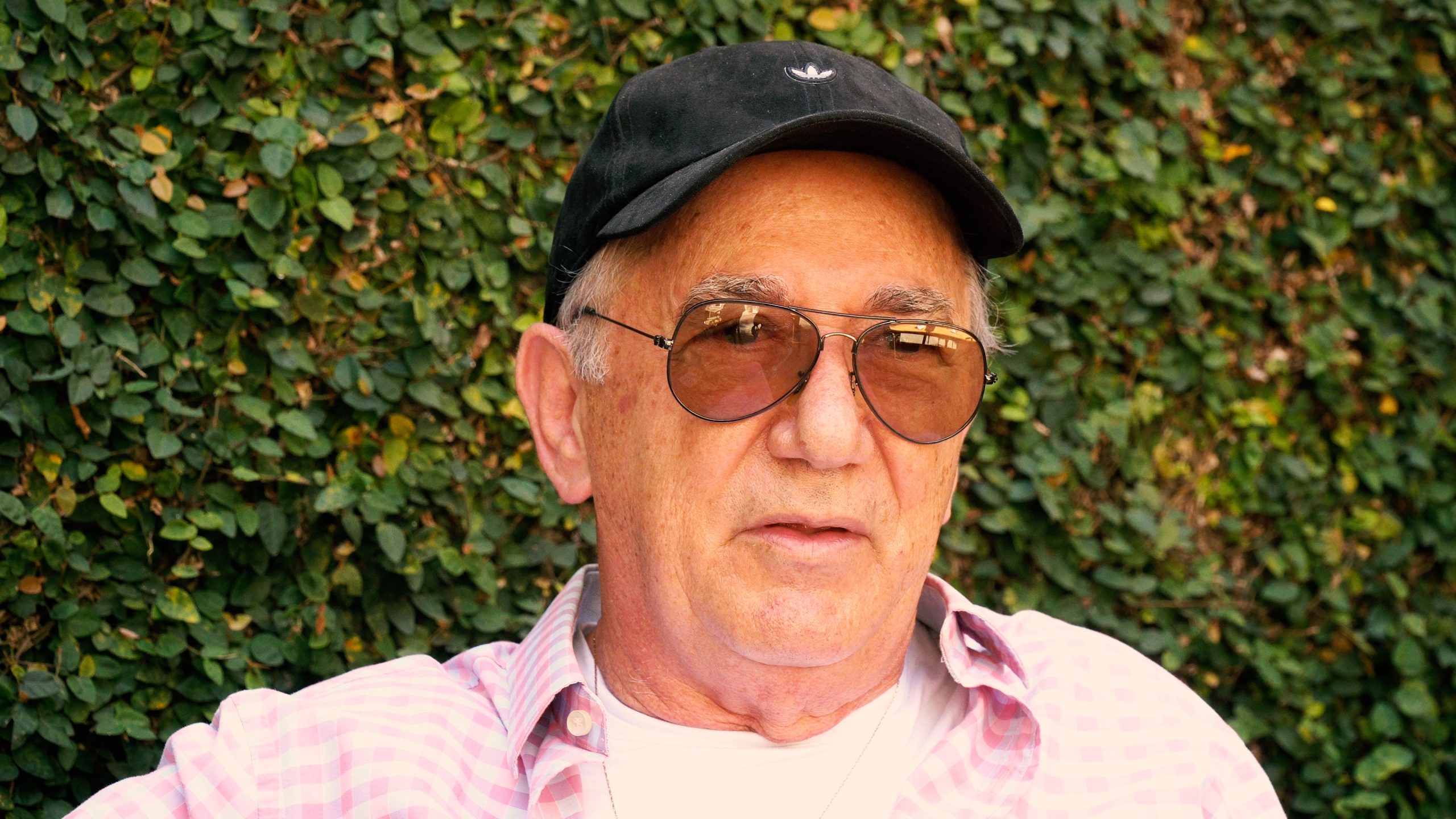
The professor and writer Evando Nascimento gave a class on the work of Clarice Lispector at the IMS Rio. His talk is based on the category of “thinking literature,” which the author uses to describe Clarice’s work: “that which is narrated and the reflections associated with this fact are not opposed. One of the characteristics of the thinking literature of Clarice Lispector is to rethink binary pairs, or very rigid dichotomies,” he explains.
You can watch Evando Nascimento’s talk by clicking here.
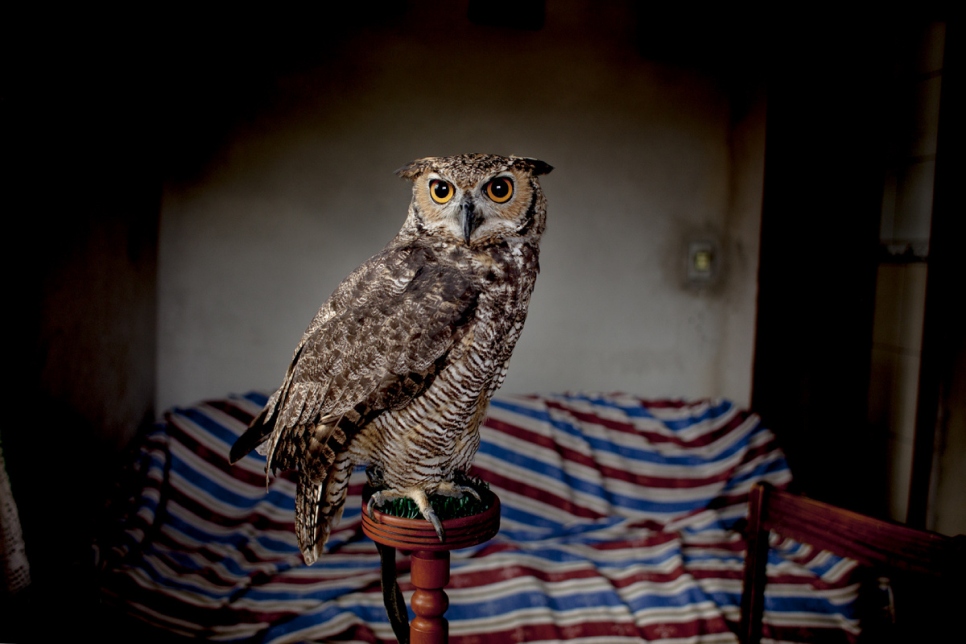
*Zoo Series. Photo by João Castilho, 2017.
See also
by Elizama Almeida
The Complete Stories, a volume of short stories by Clarice Lispector edited by Benjamin Moser, was included on the prestigious list of 100 Best Books of 2015.
by Elizama Almeida
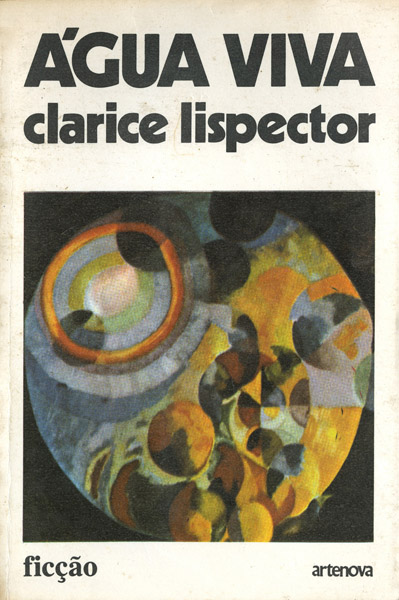
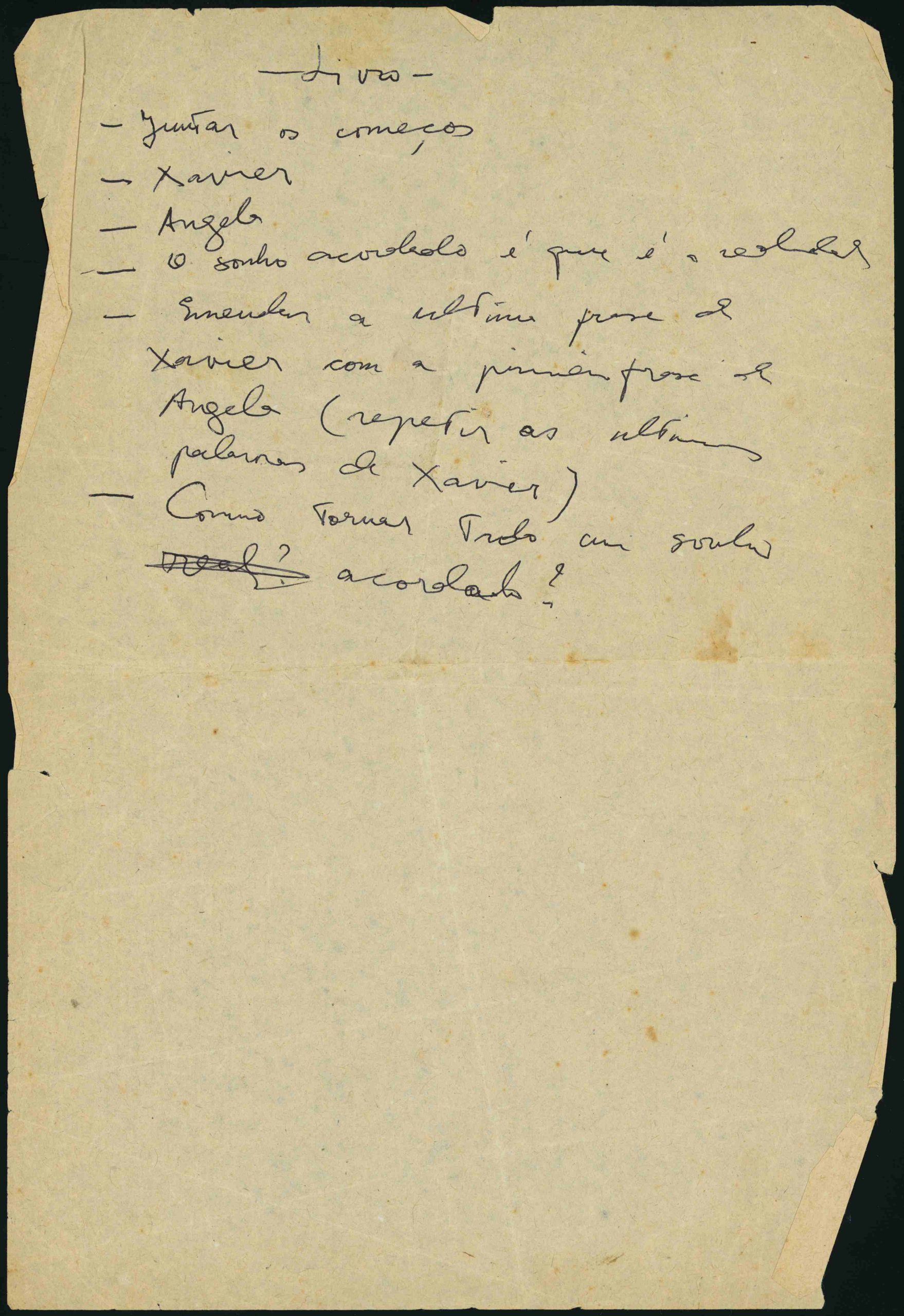
In 1970, Clarice Lispector started to write a work that would come to be called Água Viva. Published at the end of August 1973 by Artenova, what follows is a manuscript.
by Bruno Cosentino
This August, Todas as crônicas will be released, a volume that brings together for the first time all the chronicles written by Clarice Lispector for newspapers and magazines.
by Elizama Almeida
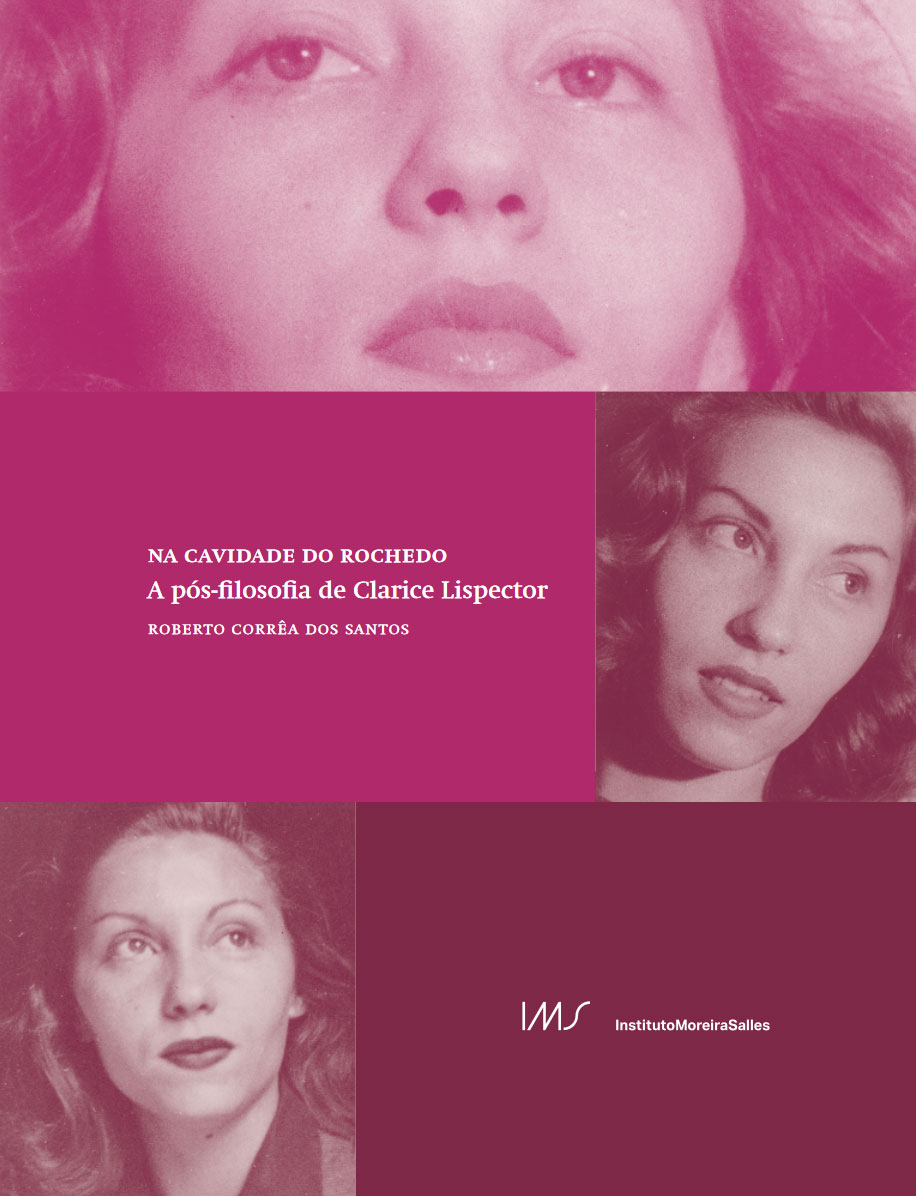
Na cavidade do rochedo: a pós-filosofia de Clarice Lispector (In the Cavity of the Rock: The Post-Philosophy of Clarice Lispector) is a study published exclusively in electronic format and available for download here.
by Equipe IMS
In the 1960s, the Spaniard Jaime Vilaseca was a carpenter in Rio de Janeiro until a fateful encounter with Clarice Lispector, for whom he had gone to make a bookcase in her apartment in the Leme neighborhood.
by Bruno Cosentino
The second part of the original manuscripts of Um sopro de vida (A Breath of Life) was delivered by the writer's son, Paulo Gurgel Valente, to be incorporated into the Clarice Lispector Collection