IMS, Equipe. Clarice's Childhood. IMS Clarice Lispector, 2023. Disponível em: https://site.claricelispector.ims.com.br/en/2023/01/23/clarices-childhood/. Acesso em: 07 April 2026.
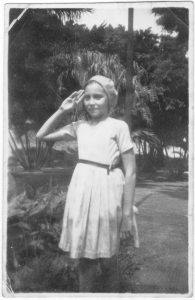
In this video lesson, Mell Brites, author of the book As Crianças de Clarice: Narrativas da Infância e Outras Revelações (The Children of Clarice: Narratives of Childhood and Other Revelations), addresses the theme of childhood in Clarice Lispector’s literature, both in her children’s books and in those aimed at an adult audience.
See also
 by Mell Brites
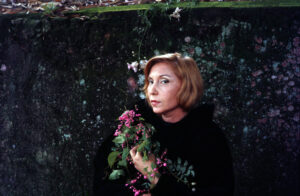
More or less fantastic in their plots, these children’s stories reveal narrators who, stripped almost completely of their fictional character, are very similar to the author: they are mothers, writers, they go by the initials “C.L.,” or even say their name is Clarice. Thus, if there is a horizontal posture in these narrators in which respect for the particularities of childhood is presupposed, this same movement also shows the desire to become a little more like a child.
 by Equipe IMS
Acclaimed by critics and a popular phenomenon on the internet, Clarice Lispector is considered, internationally, one of the great names in 20th century literature. Mysterious, obscure, revealing, experimental, strangely mystical, or philosophical – how to define the writing of the author of The Hour of the Star? This podcast, conceived and presented by Bruno Cosentino and Eucanaã Ferraz, covers Clarice’s life and work in five episodes, in which they talk to great specialists, professors, and researchers.
 by Jorge Carrion
The Spanish writer and critic Jorge Carrión recently published, in The New York Times, an essay about the life and work of Clarice Lispector.
 by Victor Heringer
The year 2017 marked the 40th anniversary of The Hour of the Star, the last book written by Clarice Lispector, which was published in the year of her death.
 by Clarice Lispector
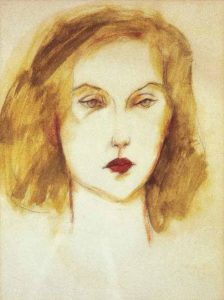
I spent an unforgettable weekend in Cabo Frio, hosted by Scliar who painted two portraits of me. Scliar’s house is very beautiful. Cabo Frio inspires Scliar. I asked him about so much creativity.
 by Bruno Cosentino
Every year, in the liturgical calendar of the Catholic Church, Carnival is followed by Lent, a period in which the faithful withdraw from mundane life to dedicate themselves to sacrifices, charity, and prayer.

