In the 2025 edition of Clarice’s Hour, we will celebrate, through the voices and presentations of kids, the children’s story “Laura’s Intimate Life,” published as a book by Clarice Lispector in 1974. In this film, six children retell, act, illustrate, and co-direct the story of Laura the hen, her husband Luís, and their son Hermany in Dona Luísa’s henhouse.
The short film is the fruit of work that took place during the 2025 school year and involved professionals from the Literature Department and students from the Rio de Janeiro municipal school system, combining education, literature, and art, in three stages. In the preparation phase, each child received a copy of the book (donated by the publisher Rocco) and participated in a shared reading activity; next, they discussed the story with their parents at home; and in the third stage – which was creative and artistic – they acted out a few passages from the story and illustrated three scenes. These are the drawings that bring color to the film in a unique retelling of the story of Laura the hen.
A vida íntima de Laura (Laura’s Intimate Life) was conceived by Bruno Cosentino and Eucanaã Ferraz, directed by Laura Liuzzi and Bruno Cosentino, edited by Laura Liuzzi, produced by Bruno Cosentino, and supported by the Rocco publishing house.
In a small, vast, and brilliant book called Three Steps on the Ladder of Writing, by Hélène Cixous (1993), the author is taken to three schools by writers that she loves: the School of the Dead, the School of Dreams, and the School of Roots. One of the books that transport Cixous to the School of Dreams is Clarice Lispector’s second published novel, The Chandelier.
On December 10th, IMS Rio celebrates Clarice Lispector’s birthday. This year, we will present, in a single screening, the short film Perto de Clarice (Close to Clarice), by João Carlos Horta, from 1982, in a new digital version based on the 35mm original preserved by the Audiovisual Technical Center (CTAv). After the film screening, there will be a conversation between the writer Heloisa Buarque de Holanda, who was involved in the making of the film and is the director's widow, and Teresa Montero, author of the most recent biography of the writer, À procura da própria coisa (In Search of the Thing Itself – Rocco, 2021), mediated by the IMS literature consultant, the poet Eucanaã Ferraz.
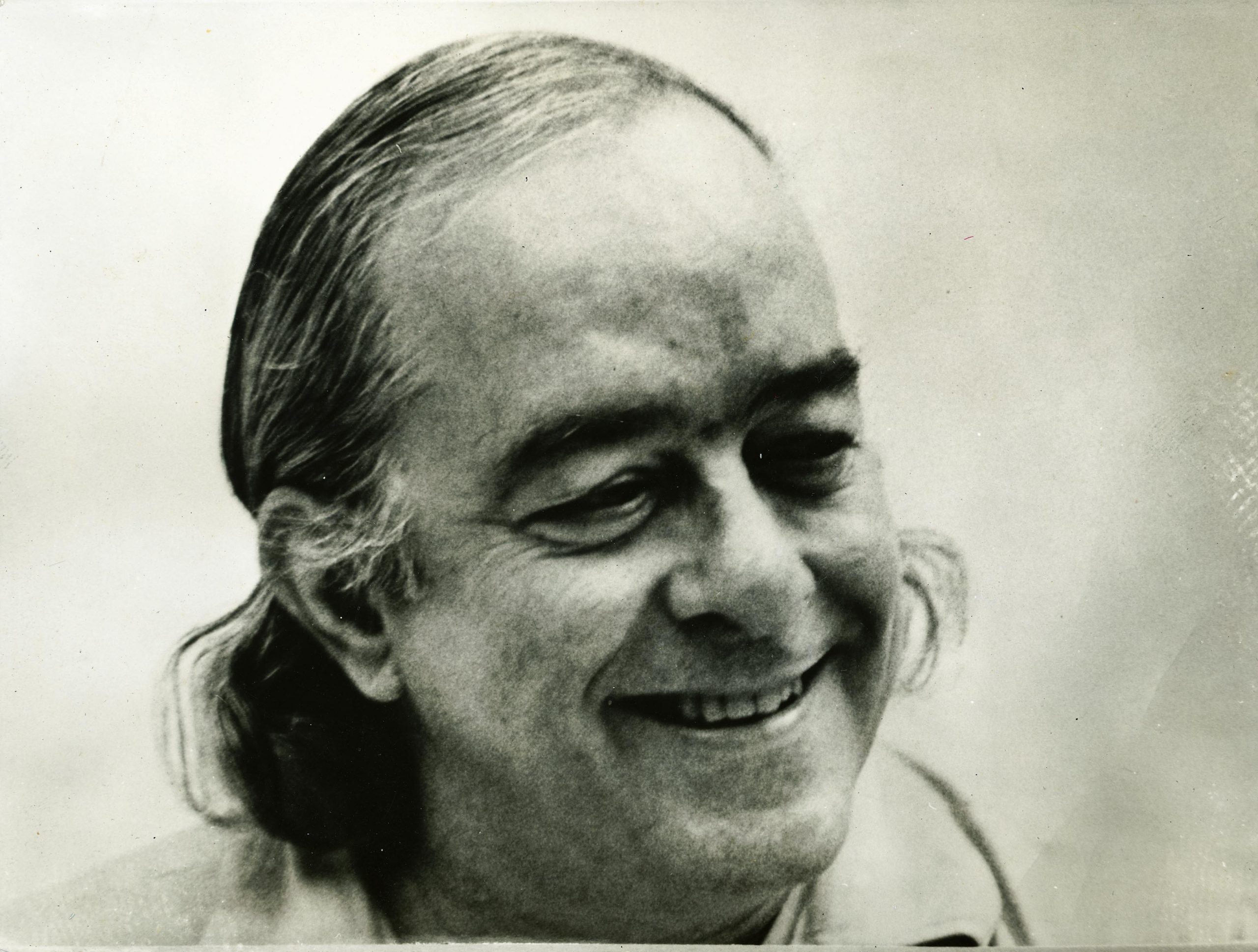
In the interviews done by Clarice there is a sort of unsuitableness for the job with respect to journalistic technique. With Vinicius de Moraes, her first approach sounds like a provocation: “Vinicius, have you really ever loved anyone in life?”
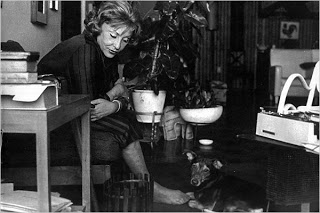
Ulysses was Clarice Lispector’s last dog, a mongrel who stole cigarette butts and queued for Coca-Cola and whiskey for visitors. He was so eccentric that he earned a robust note in the infamous periodical O Pasquim.
Clarice Lispector spent her childhood in Recife, but at the age of 15 she moved with her father and two sisters to Rio de Janeiro. It was in the then capital of Brazil that the writer lived her youth and early adult life: she completed high school, graduated from law school, had her first professional experiences in the press, got married, and in 1943, released her first book Near to the Wild Heart.