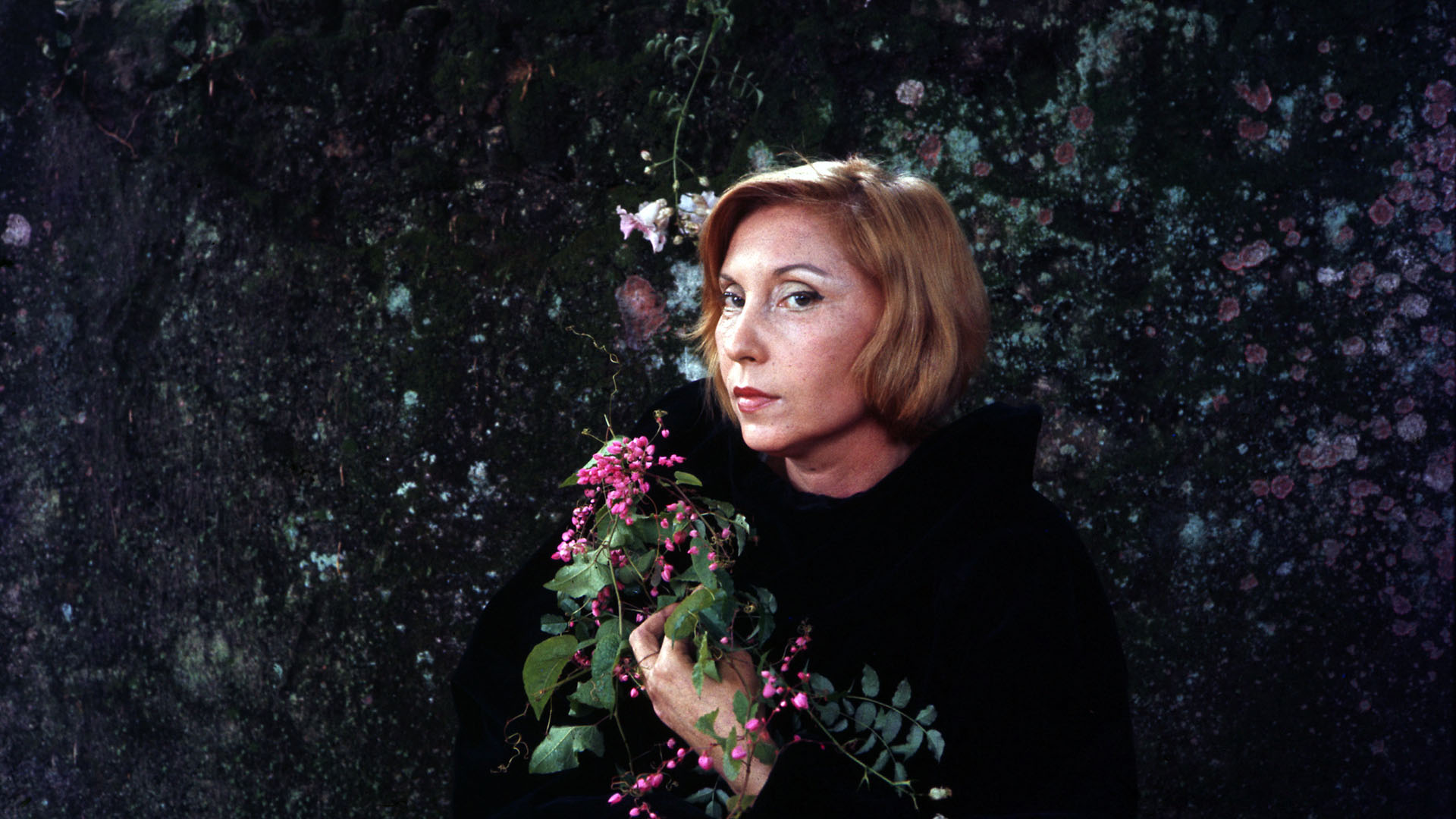
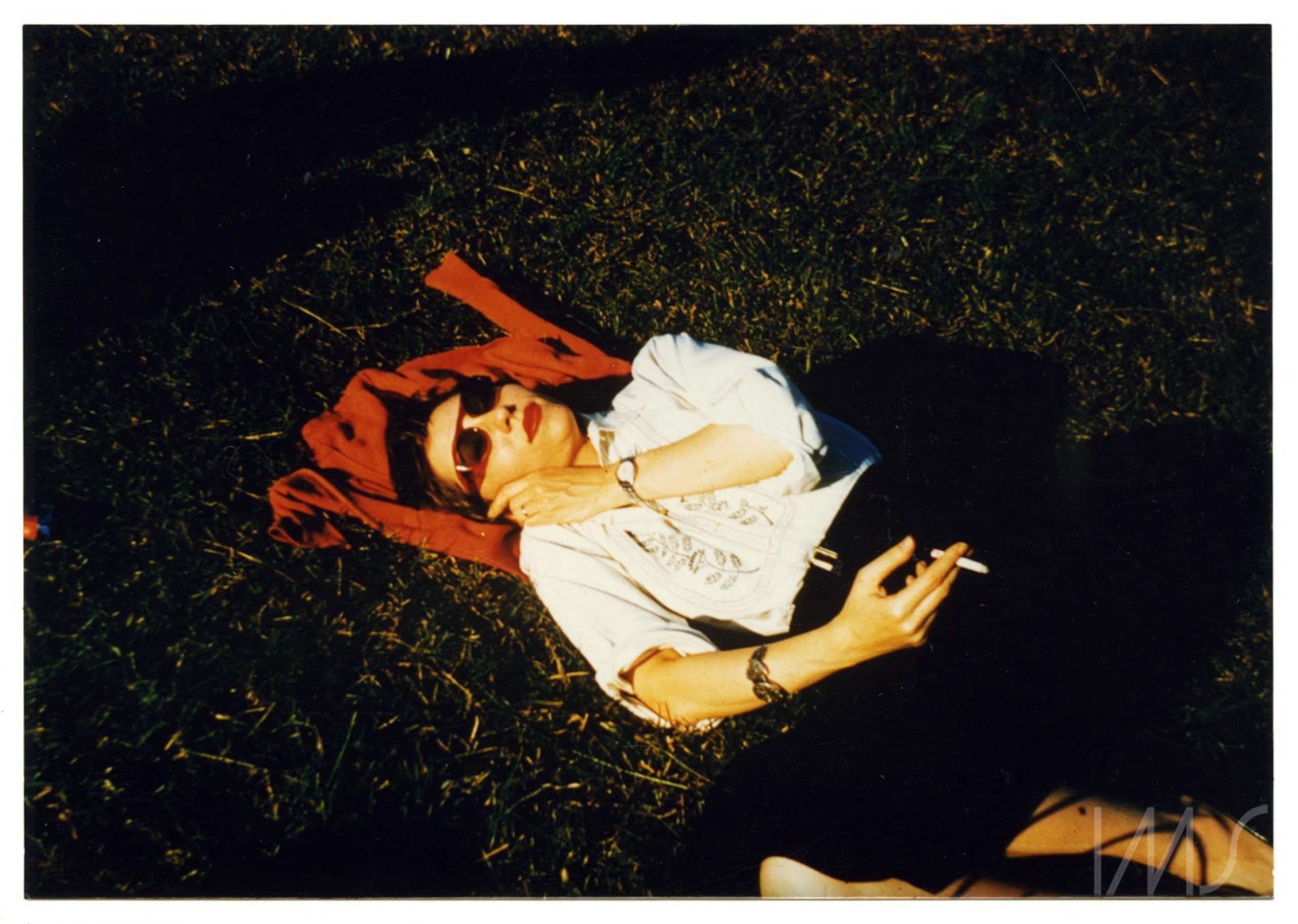
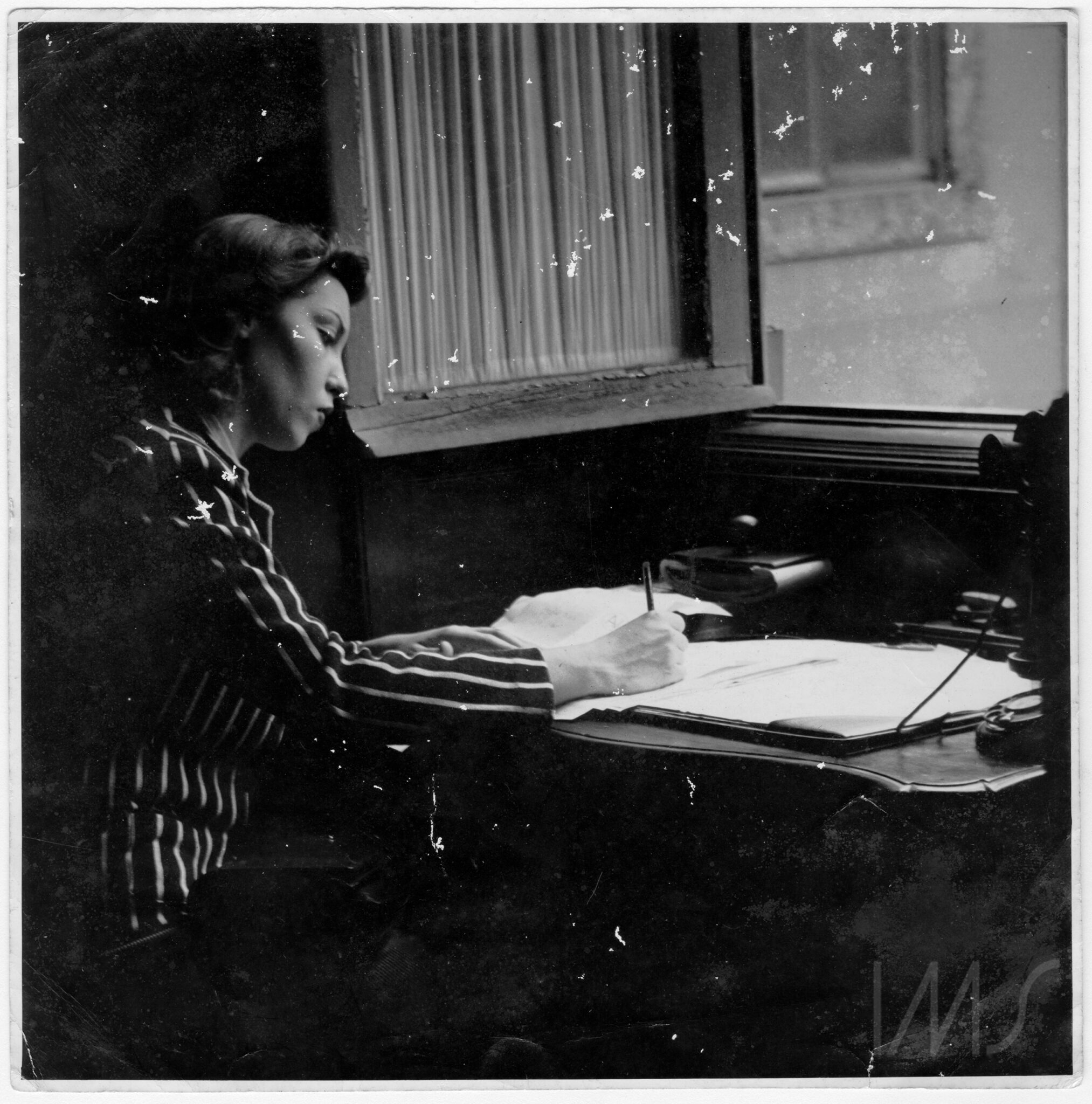
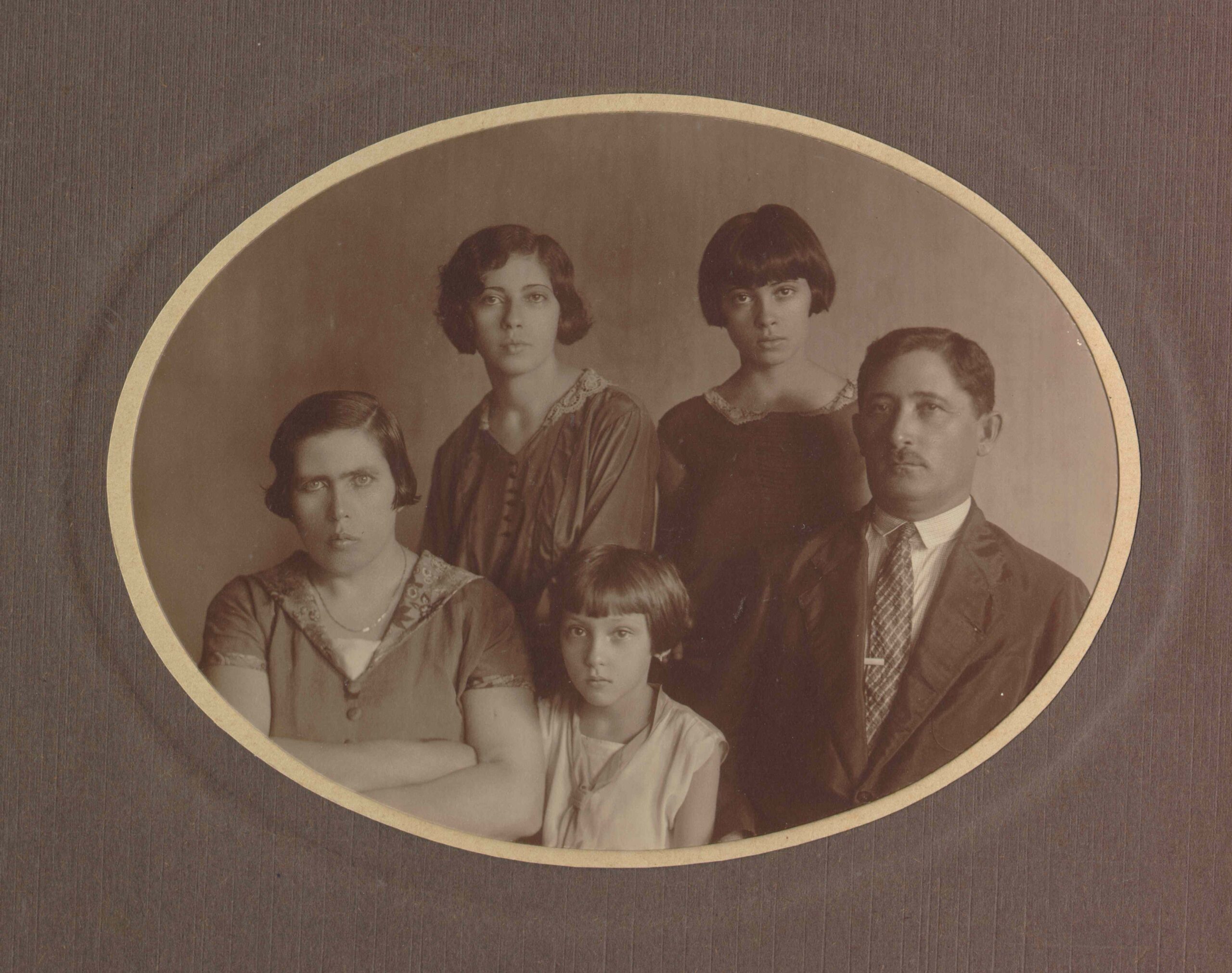
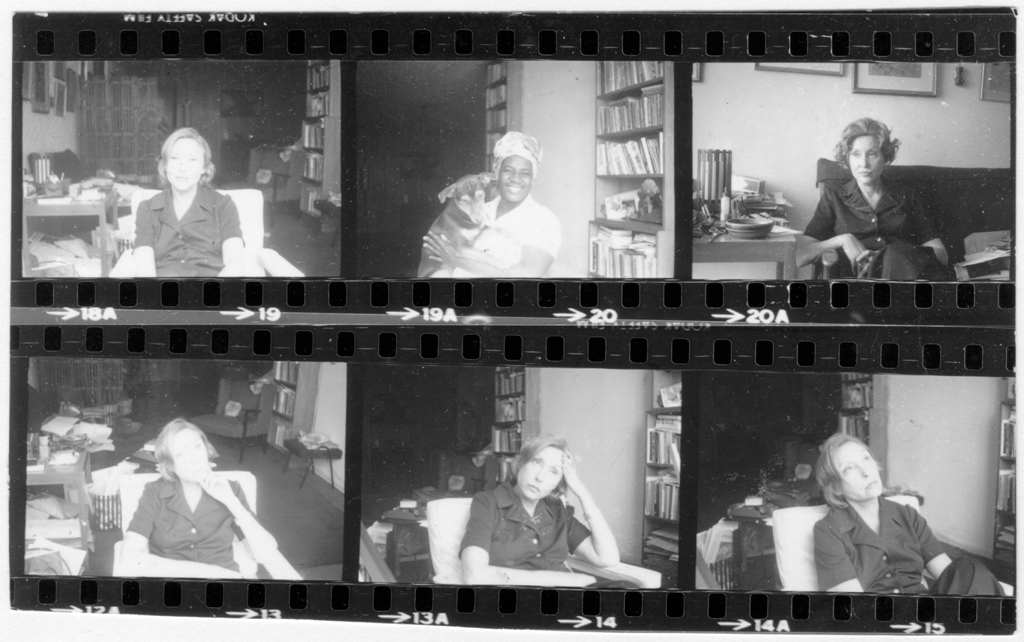
While the cariocas, residents of Rio de Janeiro, prepare for the long holiday weekend in honor of Black Consciousness Day, St. Peter’s College, at the University of Oxford in England, is promoting a turbo-charged schedule for November 17-18 in honor of Clarice Lispector, to celebrate the 40th anniversary of her death.
Organized by Professor Claire Williams, the conference After Clarice: Lispector’s Legacy will gather the greatest experts of the work of the author of The Passion According to G.H. to discuss a wide range of topics.
By counting on academics who translated Clarice’s works, the conference aims to shed light on the different perspectives of translators into various languages, a topic that will lead to much debate.
Artists who have interpreted Clarice, personage or work, will not be left out. Gathering professors from Berlin to Beijing, including scholars from the University of Minho and the University of Ceará, and, of course, counting on several in-house professors, After Clarice will also hear specialists with respect to the editorial policies around the work of the honored author– not losing sight also of Clarice Lispector, the newspaper chronicler, who wrote to earn a living.
“To write is to shine,” Otto Lara Resende affirmed in the profile he created of the writer. Yes, Clarice will indeed shine in the English autumn at Oxford.
Those interested can see the schedule on the site https://afterclarice.wordpress.com/
See also
by Lilian Hack
That was the first sensation which I had when I saw Clarice’s paintings: my whole body shivered in a flush that was shared with these two women who worked every day at the archive. A kind of slip, a discomposure, a “human dismantling.” As Clarice wrote, “She needs to move her whole boneless head to look at an object.”
by Bruno Cosentino
Clarice Lispector will be honored at the Brazil booth at the 44th Buenos Aires International Book Fair, which will take place between April 24 and May 14.
by Betty Bernardo Fuks
Benjamin Moser, one of the most significant biographers of Clarice Lispector, said in an interview that one of his goals in writing Why This World, published in the United States and translated into Portuguese as Clarice, uma biografia, was to make space for a theme rarely explored by literary critics, commentators, and biographers: the writer’s “Judeity.” Most tend to limit themselves to reflecting on her “Brazilianness,” “as if one had to choose between being Jewish and being Brazilian.”
by Sônia Roncador
The frequent allusion to domestic servants in the urban environment of her chronicles demonstrates what is a reality for many middle-class families in the country: incorporated into the intimate environment of the home in the condition of a “domesticated outsider”, the domestic servant constitutes the most lasting and personal relationship that a member of the middle class allows themselves to establish with poverty.
by Eliane Robert Moraes
Darkness is a hollow word and one never really knows what fits inside Its dimensions are so undetermined that perhaps it could even be said that everything fits and nothing fits in it, since, being an immense storehouse of paradoxes, the ambiguous quality of immeasurable is immediately added to the primordial void that characterizes it. These attributes, thus agreed, gain particular density when prepared by the wrought of the author of The Apple in the Dark.
by Bruno Cosentino
Academic studies on Clarice Lispector continue to be developed at foreign universities. In 2017, a wide-ranging seminar about the author was held at the University of Oxford.