In 1970, Clarice Lispector started to write a work that would come to be called Água viva [translated into English as both Água Viva and Stream of Life].
According to Nádia Gotlib in “Memória seletiva” (Selective Memory), published in a special edition of Cadernos de Literatura Brasileira (Brazilian Literature Notebooks) on Clarice Lispector:Incorporating old notes, she begins to work on a new novel entitled Atrás do pensamento: monólogo com a vida (Behind Thought: A Monologue with Life). The book, which in a later phase would be called Objeto gritante (Screaming Object), would finally be called Água viva and would come out under the broad genre of “fiction,” given the author’s understanding that she had surpassed conventional classifications of literary narrative.
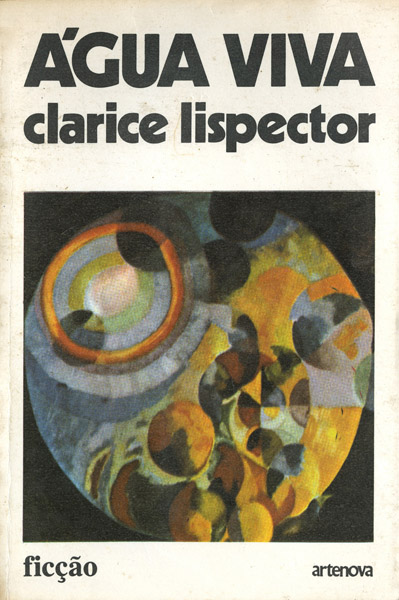
Cover of the 1st edition of Água viva, published in 1973 by Artenova. Ana Cristina César Library/ IMS collection
Professor Clarisse Fukelman analyzes Água viva and says that, in this work, the author “radicalizes innovative writing processes with which she had already experimented in previous publications” and develops a book in which “there is no linear story or central theme.”
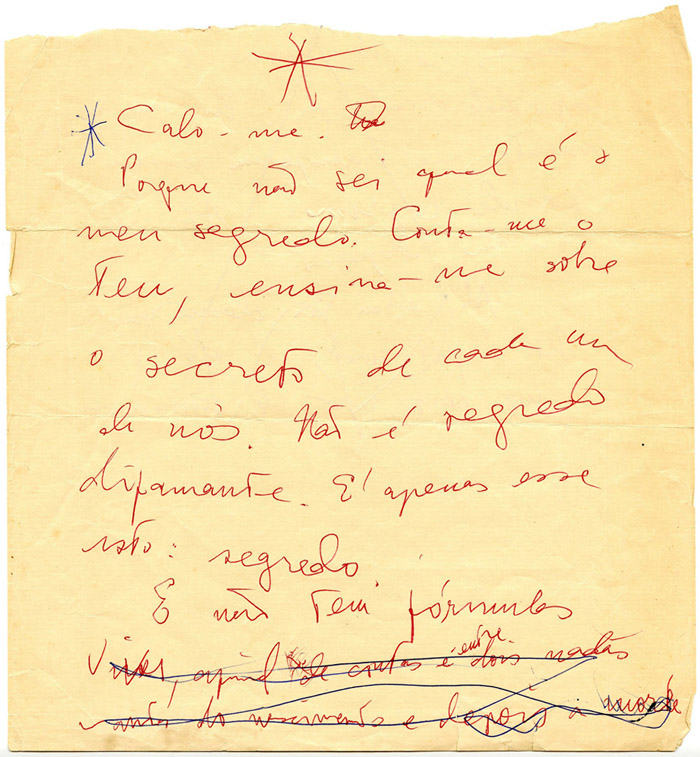
Água viva was published at the end of August 1973 by the publisher Artenova. Below is a handwritten excerpt from the work’s manuscript under the care of the Moreira Salles Institute, followed by its transcription.
Excerpt from the manuscript for Água viva, by Clarice Lispector. Clarice Lispector Collection / IMS collection
Calo-me.
Porque não sei qual é o meu segredo. Conta-me o teu, ensina-me sobre o secreto de cada um de nós. Não é segredo difamante. É apenas esse isto: segredo.
E não tem fórmulas.
[I go quiet.
Because I don’t know what my secret is. Tell me yours, teach me about the secrets of every one of us. It’s not a slanderous secret. It’s only this: a secret.
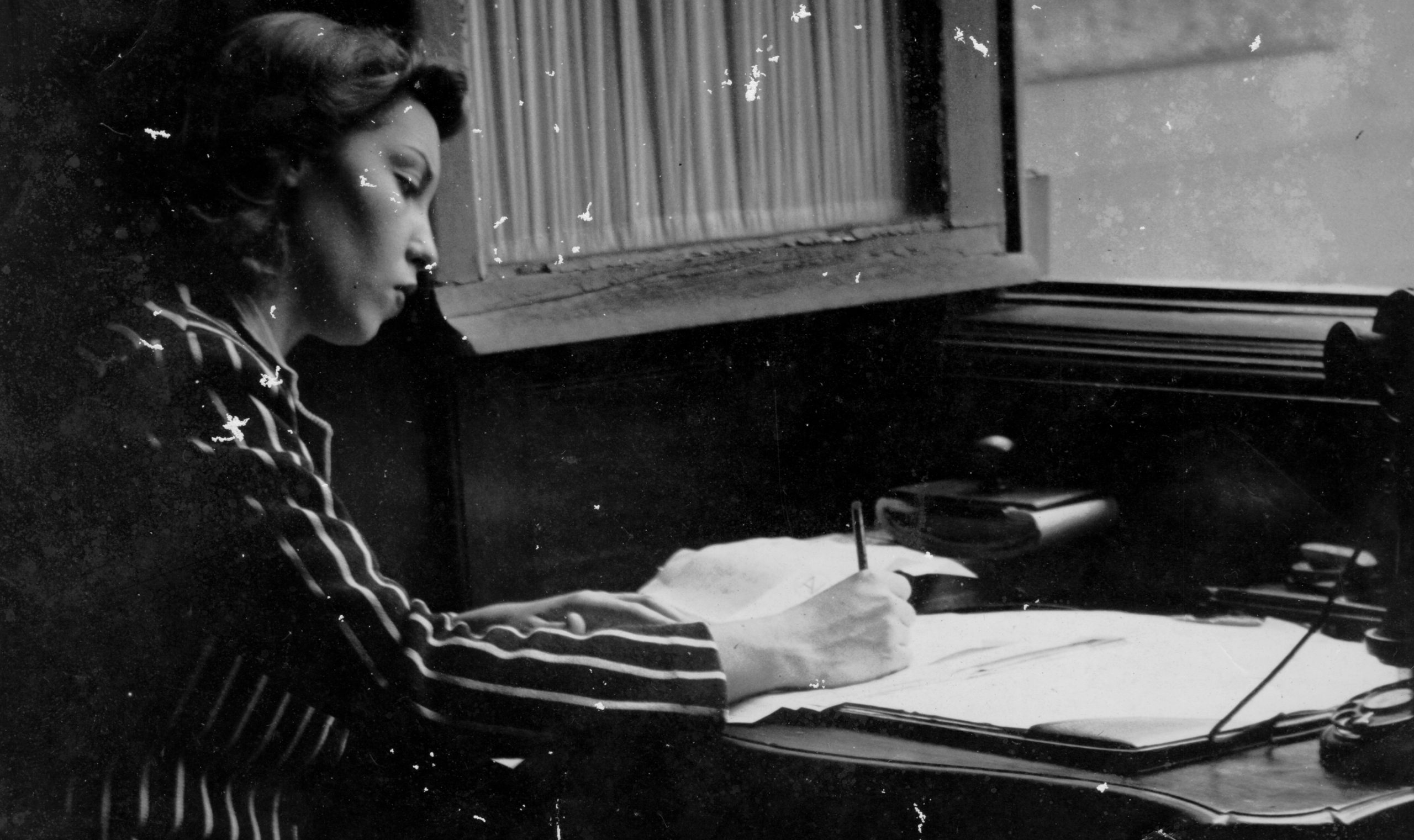
The professor and writer Evando Nascimento gave a class on the work of Clarice Lispector at the IMS Rio. His talk is based on the category of “thinking literature.”
The critic José Castello will teach new classes for Grupo Clarice, a group dedicated to the reading and study of the works of Clarice Lispector. Among the works discussed are...
In partnership with the Department of Humanities at Columbia University, the IMS presents the international seminar The Clarice Factor: Aesthetics, Gender, and Diaspora in Brazil.
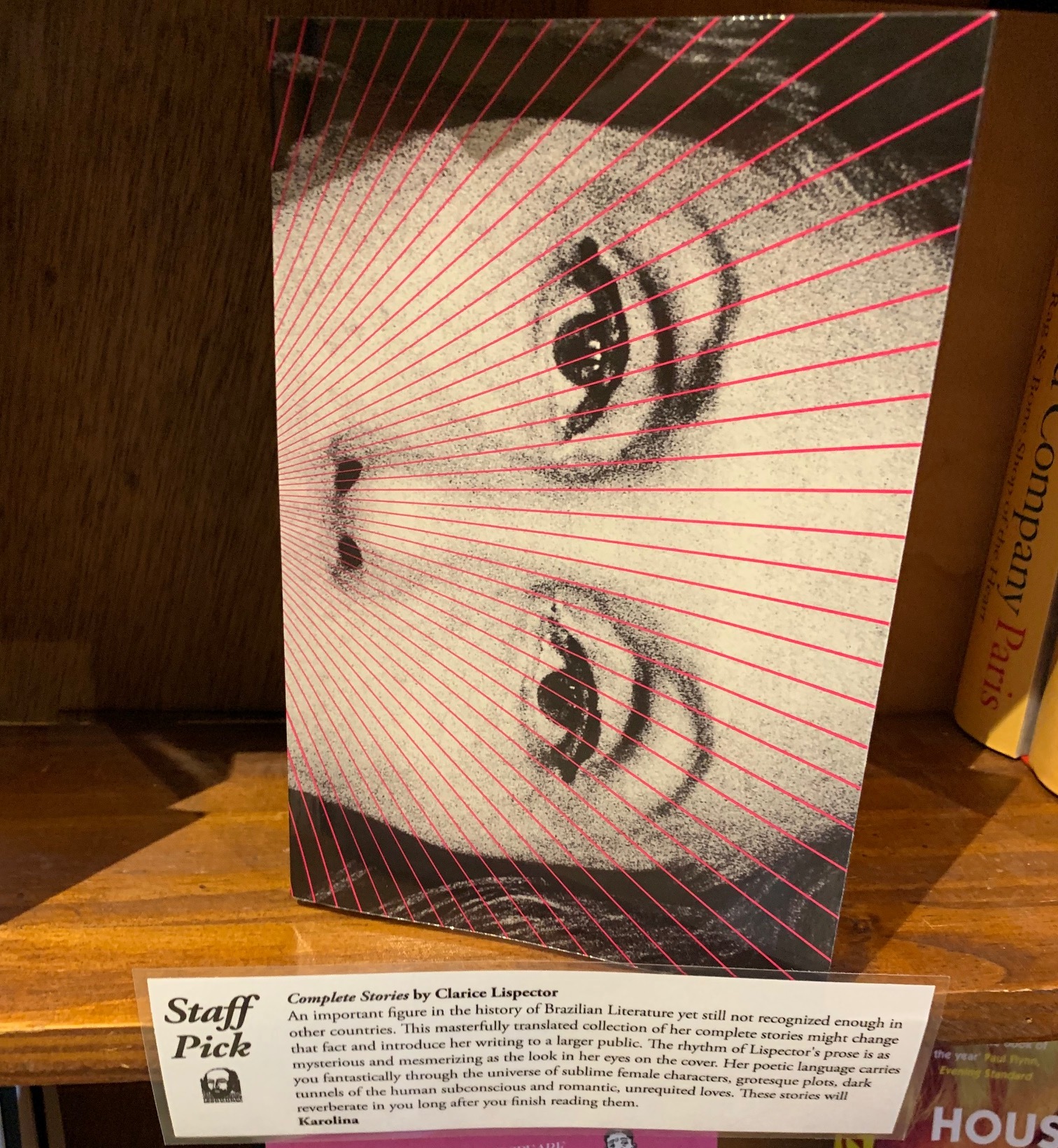
The traditional Parisian bookstore Shakespeare and Company placed on special display the English version of the book The Complete Stories, by Clarice Lispector.
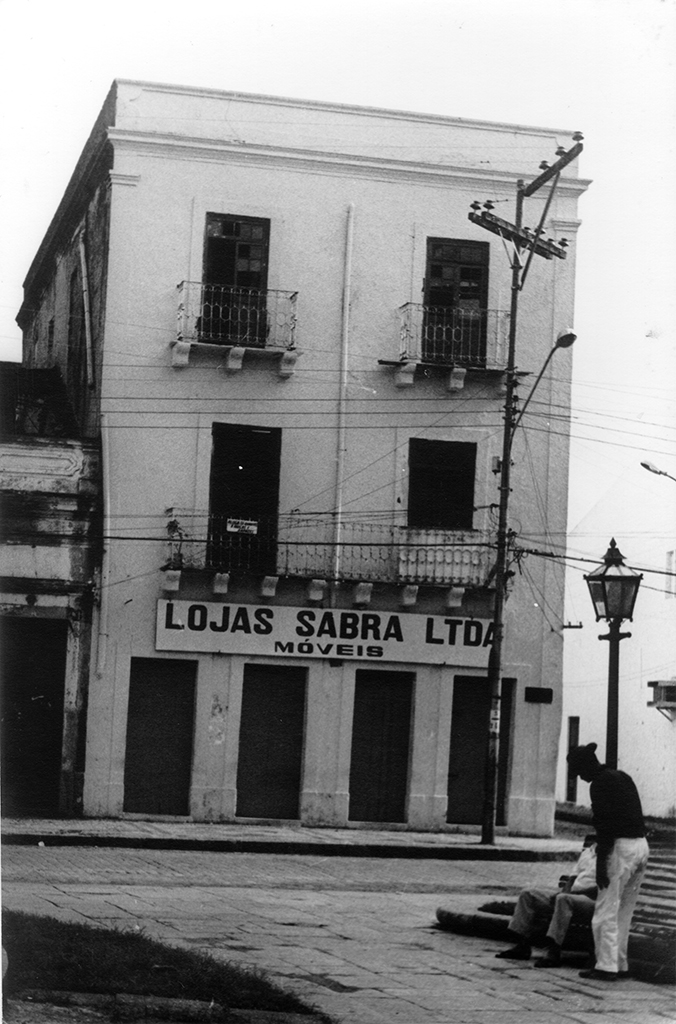
I died. I found out when, one day, on the sidewalk of Praça Maciel Pinheiro, I lifted my head, opened my eyes, and saw myself dead, there on the plaza’s sidewalk, the two-story house on the other side of the street. My broken heart inside my chest, the two-story house on Rua do Aragão, 387, where, on the second floor, Clarice Lispector lived a happy childhood here in Recife, despite the pains of the world and experiencing and feeling, mainly, the pains of an implacable disease that would one day take Mania, her mother, away from her. I found out when, laid out on the sidewalk there under the scorching Sunday sun, I turned my head to the right and saw a man beside me, who was also looking at the house.
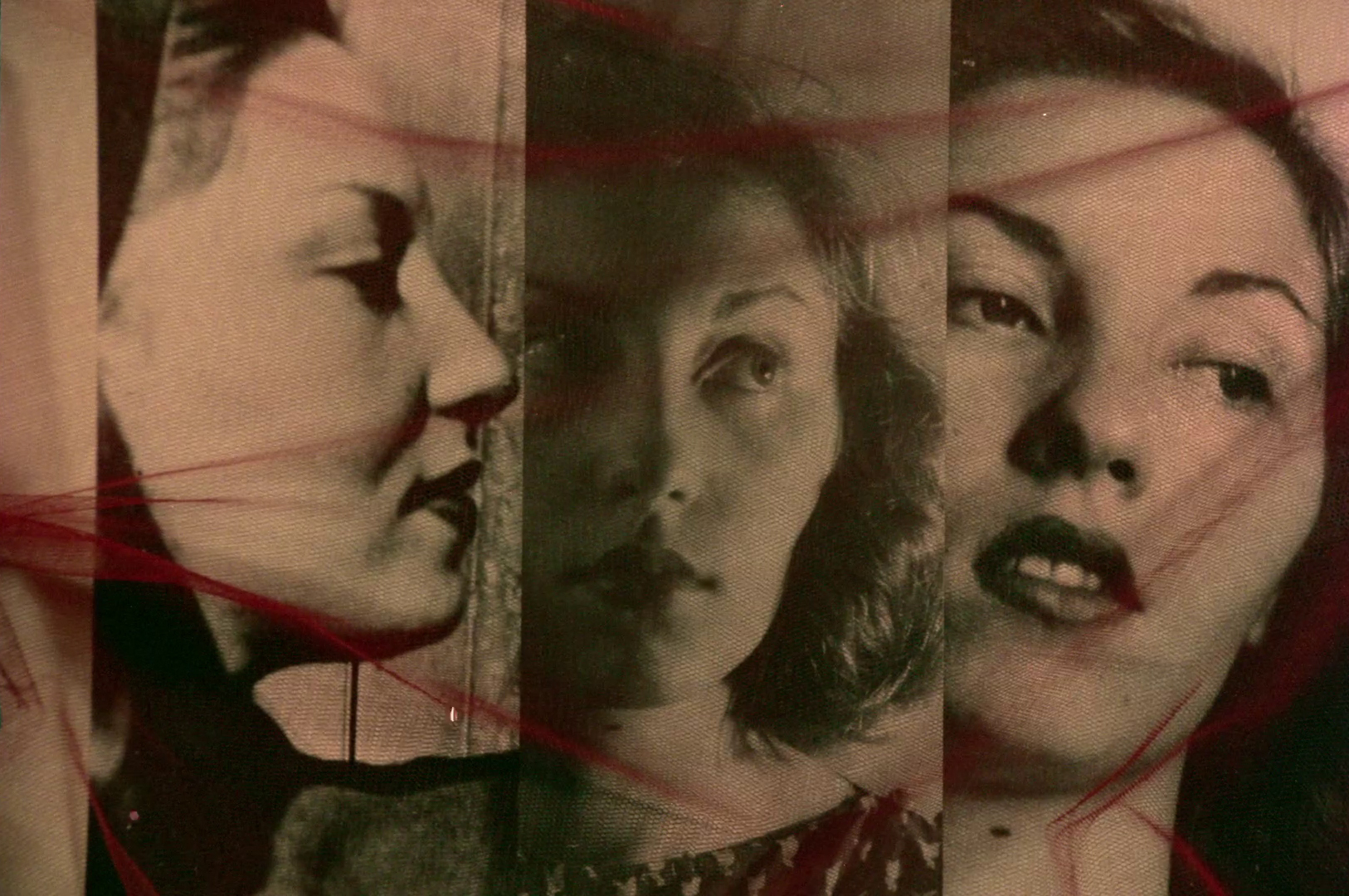
On December 10th, IMS Rio celebrates Clarice Lispector’s birthday. This year, we will present, in a single screening, the short film Perto de Clarice (Close to Clarice), by João Carlos Horta, from 1982, in a new digital version based on the 35mm original preserved by the Audiovisual Technical Center (CTAv). After the film screening, there will be a conversation between the writer Heloisa Buarque de Holanda, who was involved in the making of the film and is the director's widow, and Teresa Montero, author of the most recent biography of the writer, À procura da própria coisa (In Search of the Thing Itself – Rocco, 2021), mediated by the IMS literature consultant, the poet Eucanaã Ferraz.