

The writer Ana Maria Machado had an unusual and emotional episode with Clarice Lispector. This happened in 1975. After having read an article by Ana Maria, published that very day in the Jornal do Brasil, about the birthday of the writer Roland Barthes, Clarice, who did not know her personally, insistently asked her for help to organize what in two years would be the book The Hour of the Star. At the end of the day, after some tension-filled twists and turns, the young Ana Maria went to visit the admired Clarice Lispector, of whom she was a fan. She returned home stunned by the encounter and wrote, in the heat of the moment, the draft of a text that would be kept for more than 40 years. The text was finally published in 2020, with minor changes, in Serrote magazine. In this video, produced by the IMS Literature Coordinator’s Office, the story of this encounter – and its outcome – is told by Ana Maria Machado herself, who reconstructs that “strange” day and makes emotional comments about the meeting between the two. Finally, she visits the Clarice Lispector collection, held by the Moreira Salles Institute (IMS), and reviews the manuscripts of The Hour of the Star, the same ones that decades earlier Clarice herself had shown her, scattered in a box, in supplication.
Fragments of Stars
Footnotes
See also
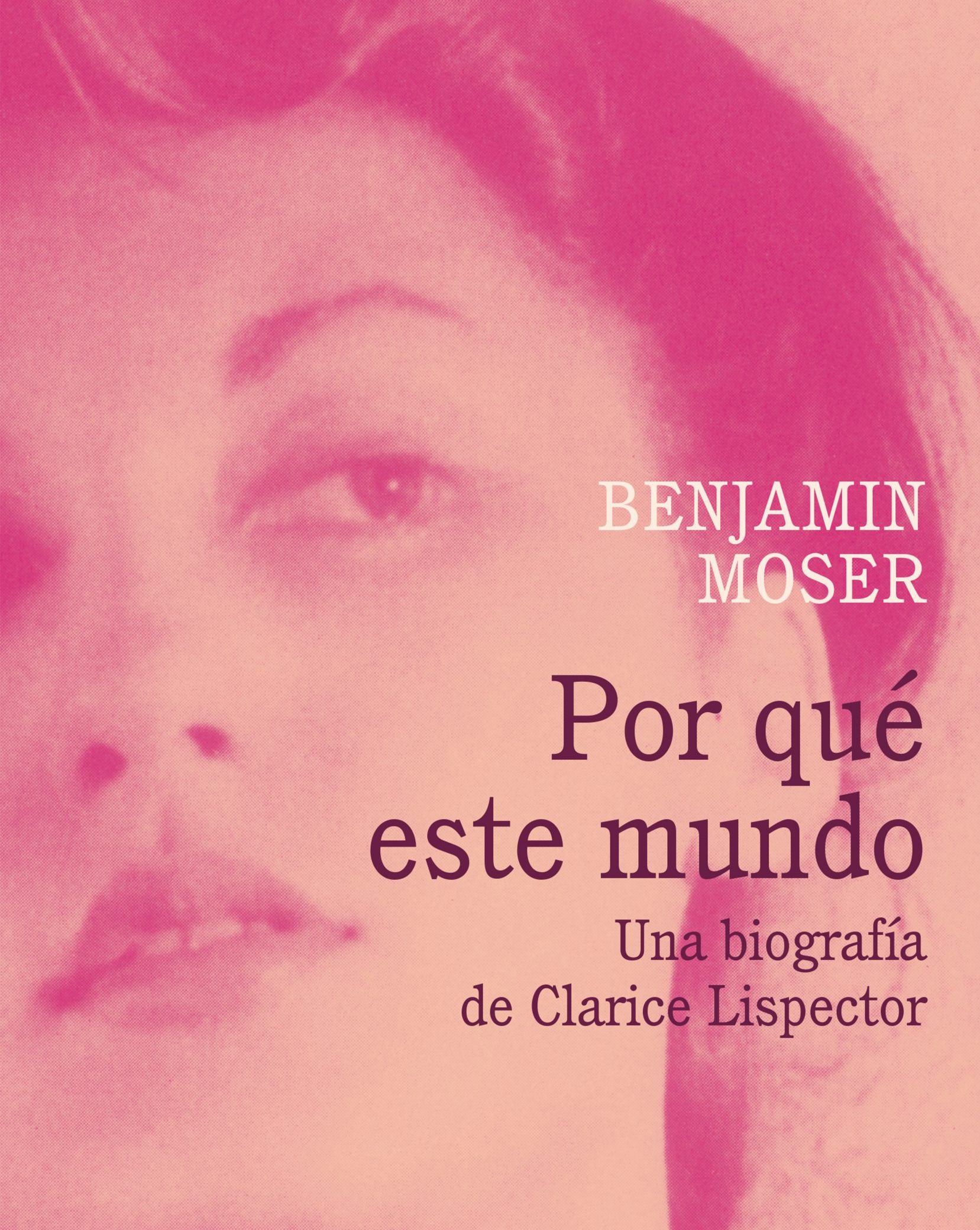
Clarice’s biography now has a Spanish edition
Written by Benjamin Moser, Clarice Lispector’s biography Why This World (Oxford University Press, 2009) continues to circulate around the world.
Compact prose, poetic moves
A conversation about football and literature between Armando Nogueira and Clarice Lispector
Clarice Lispector by Jorge Carrión
The Spanish writer and critic Jorge Carrión recently published, in The New York Times, an essay about the life and work of Clarice Lispector.
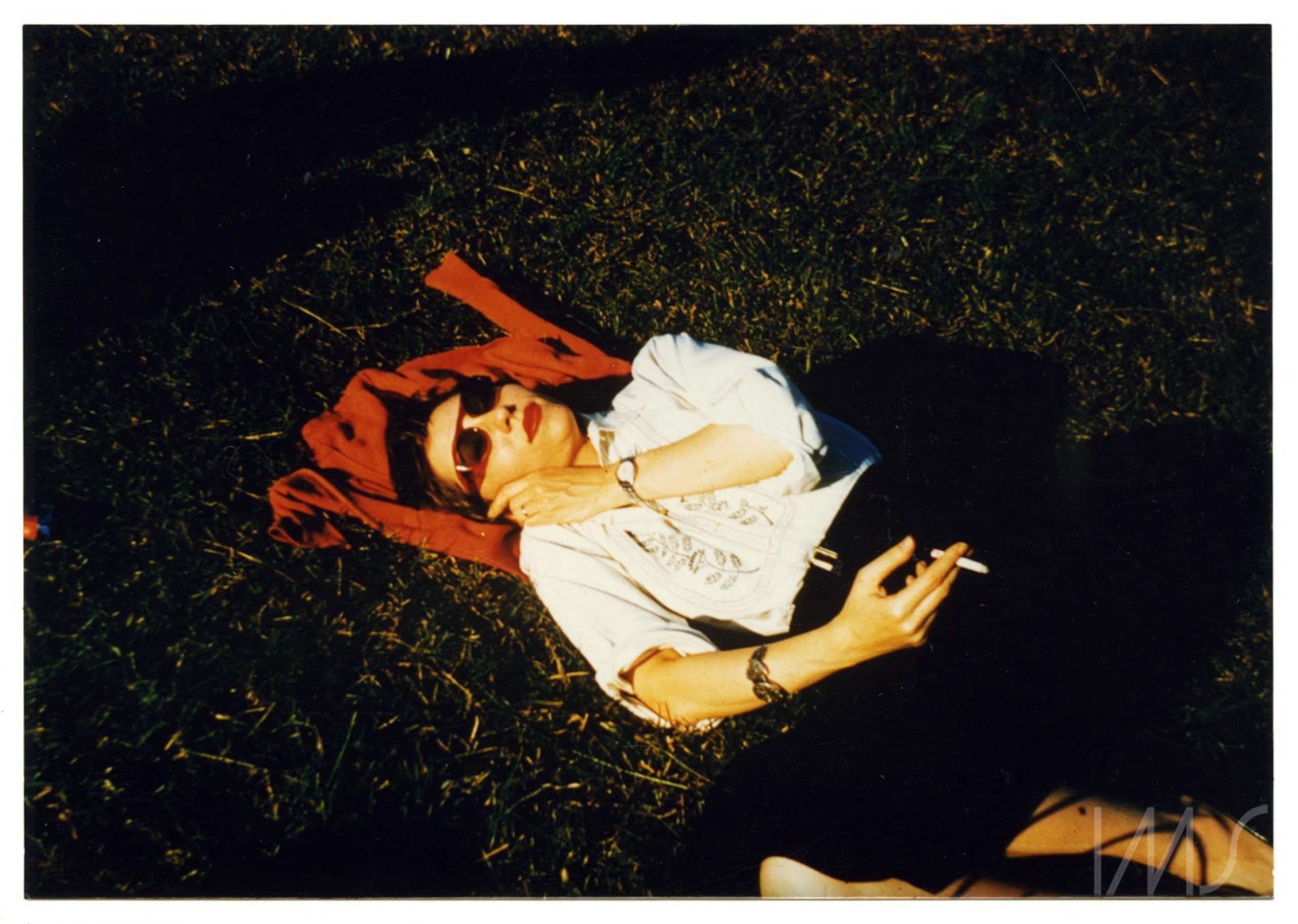
Meaning is a Breath: Images in Clarice Lispector
That was the first sensation which I had when I saw Clarice’s paintings: my whole body shivered in a flush that was shared with these two women who worked every day at the archive. A kind of slip, a discomposure, a “human dismantling.” As Clarice wrote, “She needs to move her whole boneless head to look at an object.”
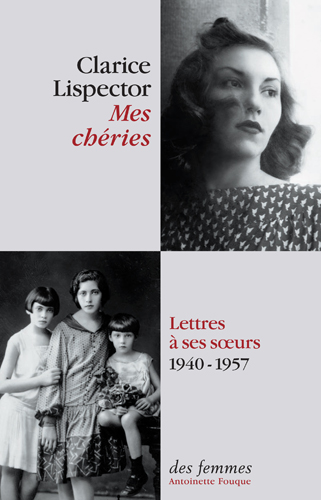
Exhibition at the Paris Book Fair
At the 35th edition of the Paris Book Fair, Brazil was the country of honor. The program was marked by an exhibition dedicated to Clarice Lispector at Éditions des Femmes,
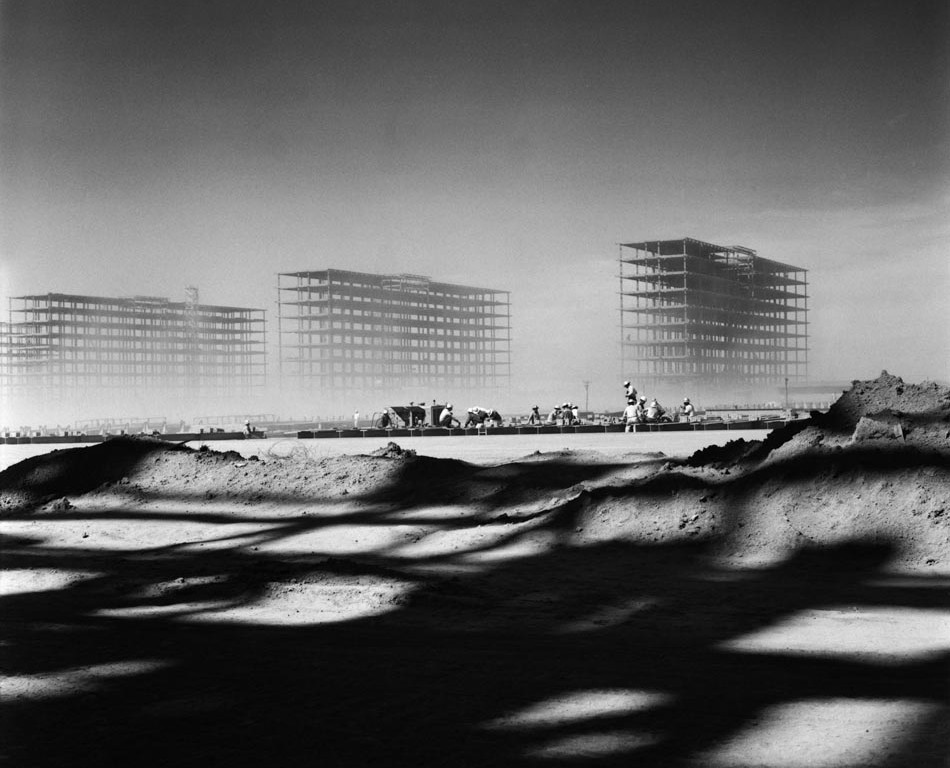
Flying over Brasília – by Carlos Mendes de Sousa
Today is Sunday in New York. In fulgent Brasília, it is already Tuesday. Brasília simply skips Monday.