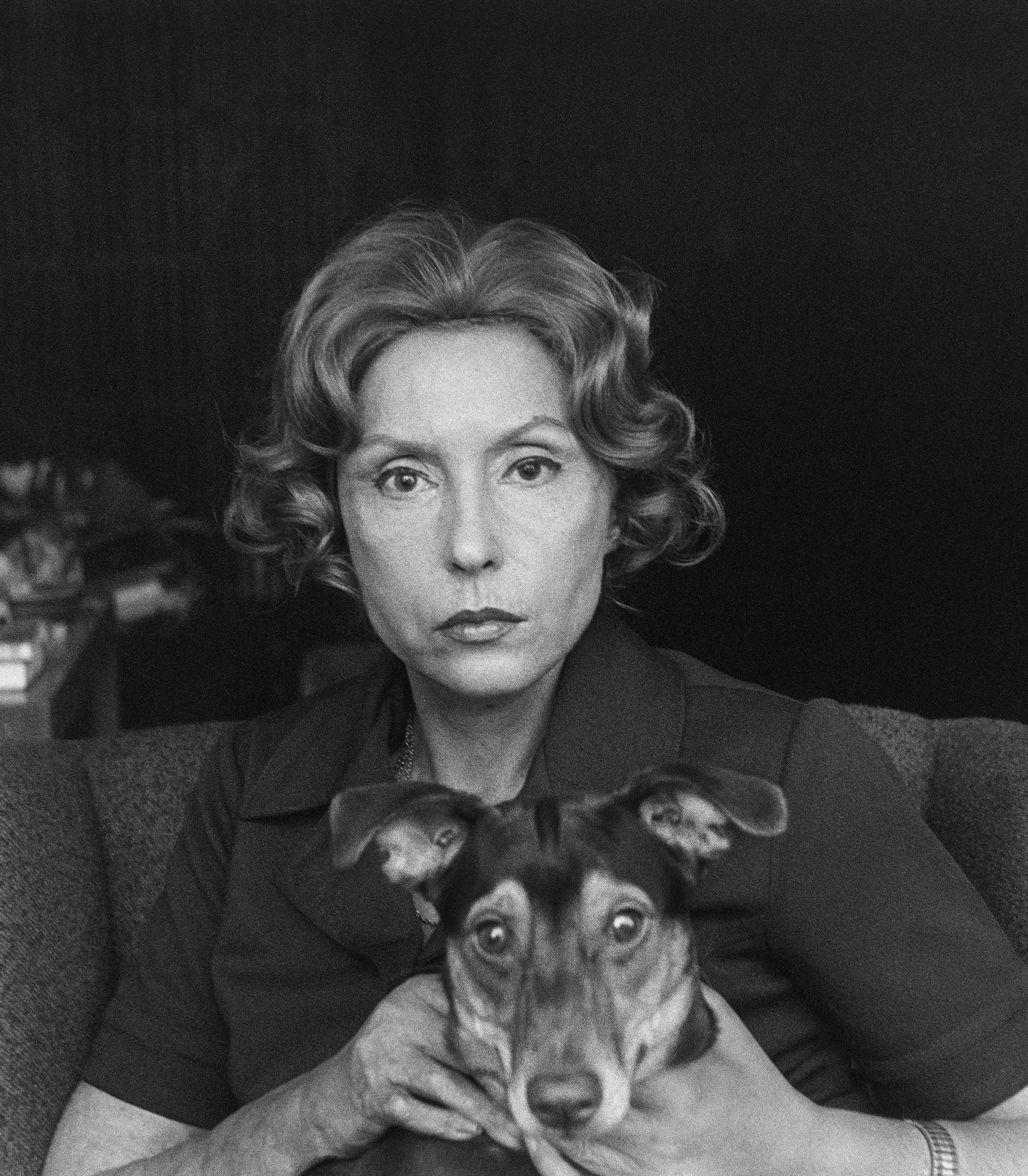
The film portrays the famous Ulisses, Clarice Lispector’s dog and a prominent character in her life and fiction.
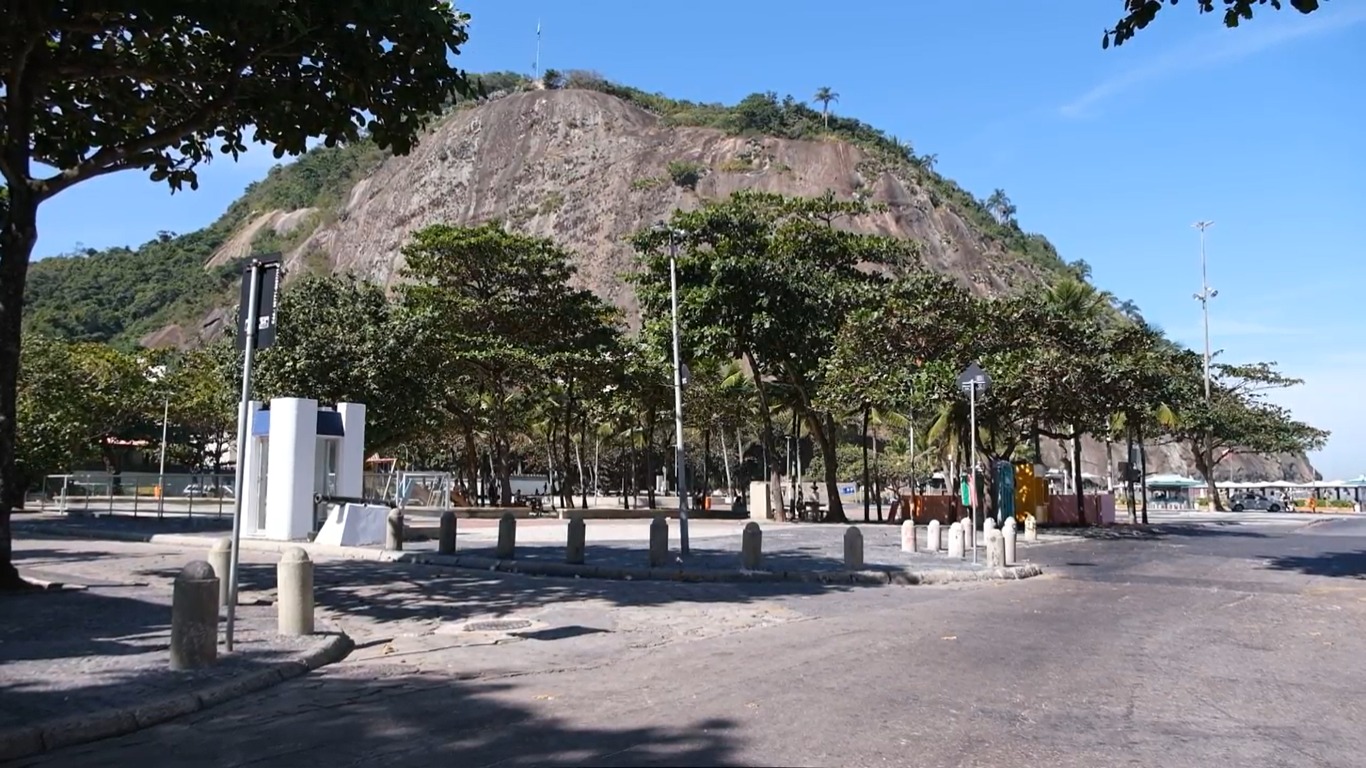
He is present in the posthumous novel A Breath of Life, he is the narrator of the children’s book Quase de verdade (Almost True), he was mentioned in countless chronicles, and today he is immortalized, alongside his owner, in a bronze statue at Leme Beach, in Rio de Janeiro.
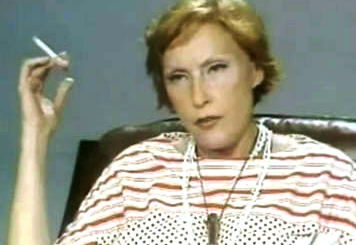
Ulisses was also photographed smoking cigarette butts during Clarice’s interview with the weekly O Pasquim, whose behind-the-scenes is told in detail by the editor Sérgio Augusto, who at the time participated in the meeting, which took place at the writer’s apartment.
About the main character, other themes are also addressed, such as Clarice’s intimate relationship with the irrational nature of animals and autofictional writing, as well as an analysis by the writer Evando Nascimento of the short story “The Crime of the Mathematics Teacher.”
See also
by Elizama Almeida
In February of 1977, Clarice visited the studios of TV Cultura and accepted the invitation to be interviewed by the journalist Júlio Lerner, host of the program “Panorama Especial”
by Victor Heringer
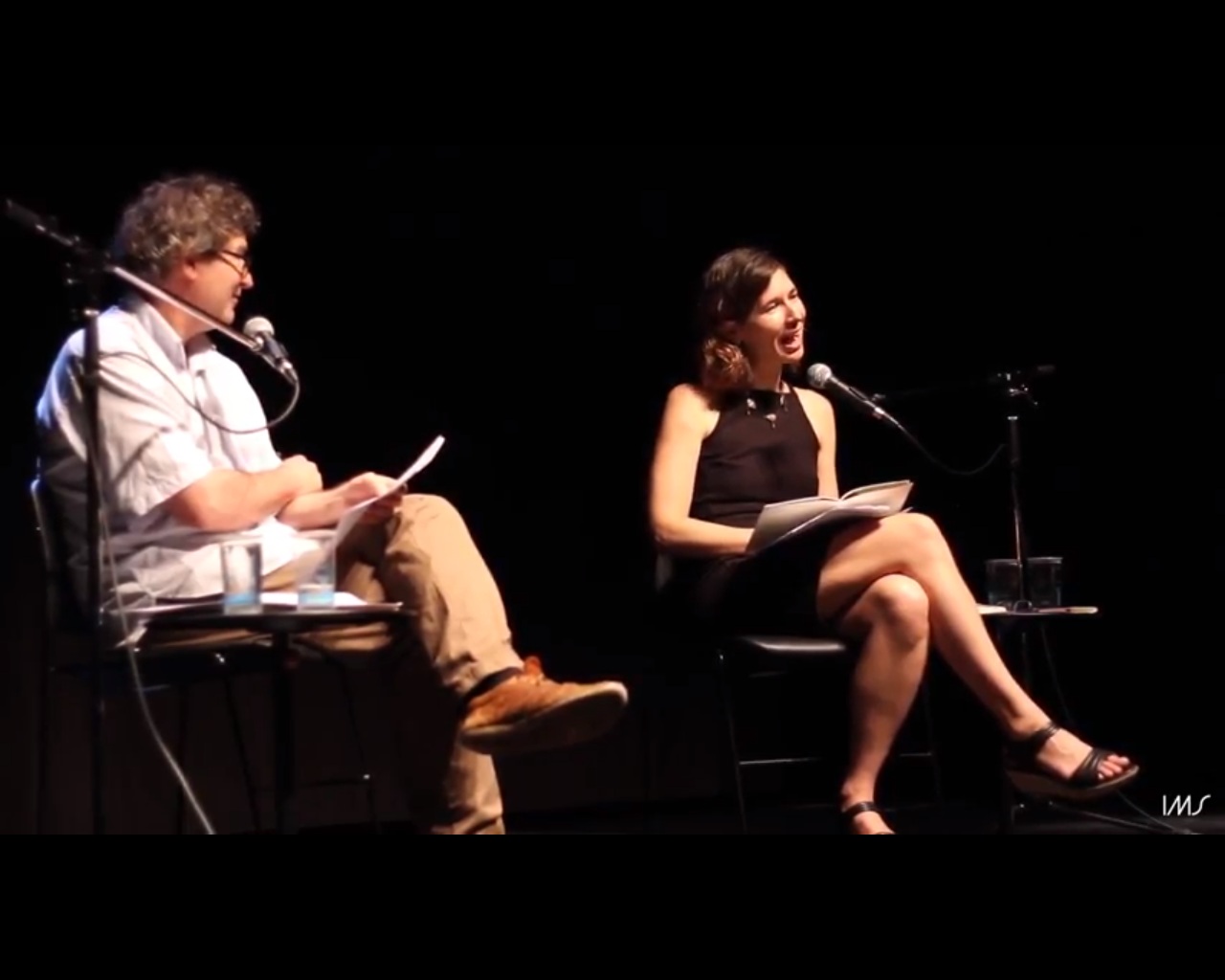
In this edition of “Clarice’s Hour,” the IMS Paulista hosted a conversation with Idra Novey, mediated by the poet and editor Alberto Martins.
by Equipe IMS
Clarice Lispector spent her childhood in Recife, but at the age of 15 she moved with her father and two sisters to Rio de Janeiro. It was in the then capital of Brazil that the writer lived her youth and early adult life: she completed high school, graduated from law school, had her first professional experiences in the press, got married, and in 1943, released her first book Near to the Wild Heart.
by Marina Colasanti
The day I met Clarice was not the same day she met me. I was all adoration, observing her. She had no reason to even lay eyes on me. Leaving the Jornal do Brasil newsroom together, the journalist Yllen Kerr, a great friend of mine, said he was going to visit Clarice and asked if I wanted to go. Did I ever!
by Bruno Cosentino
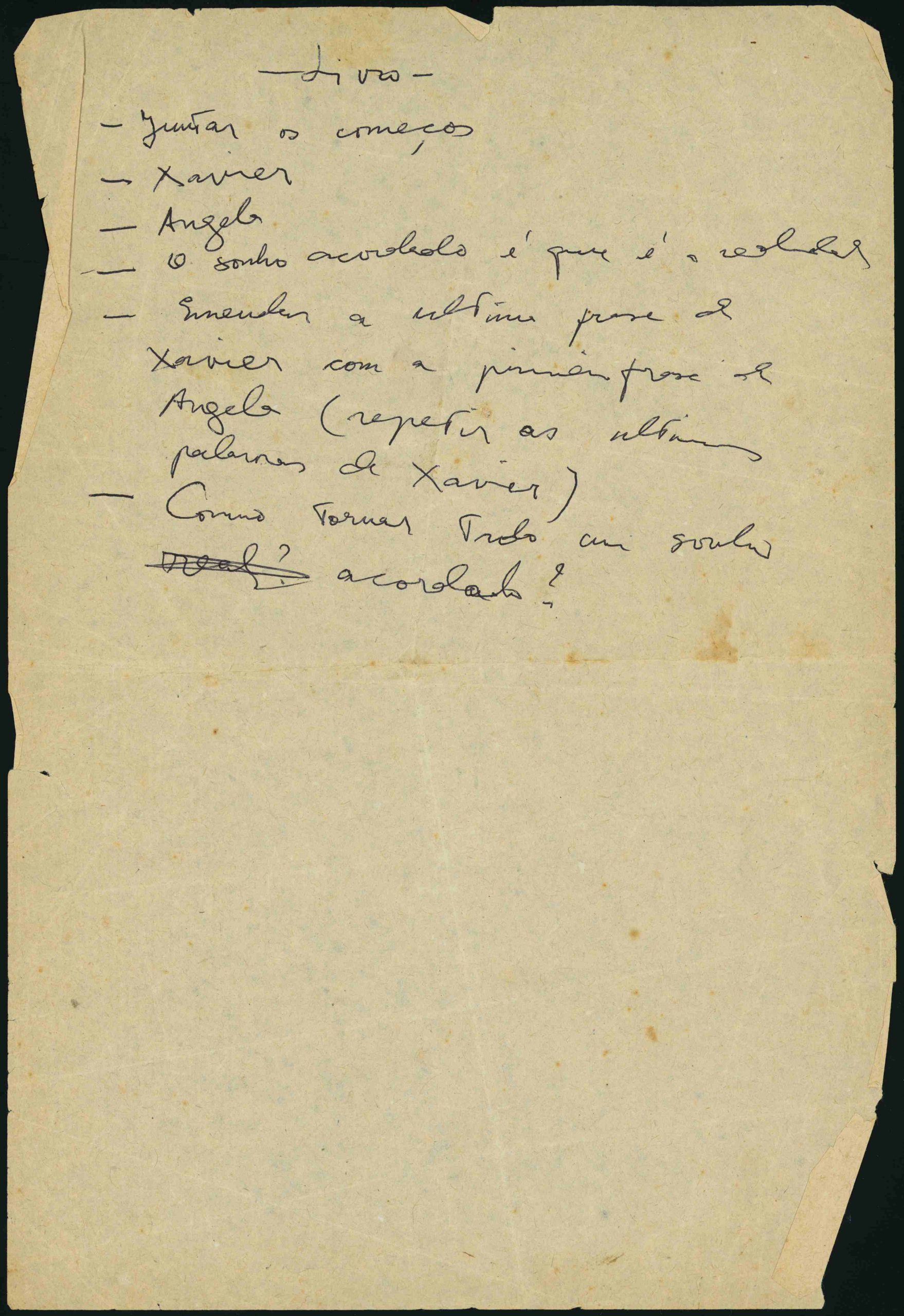
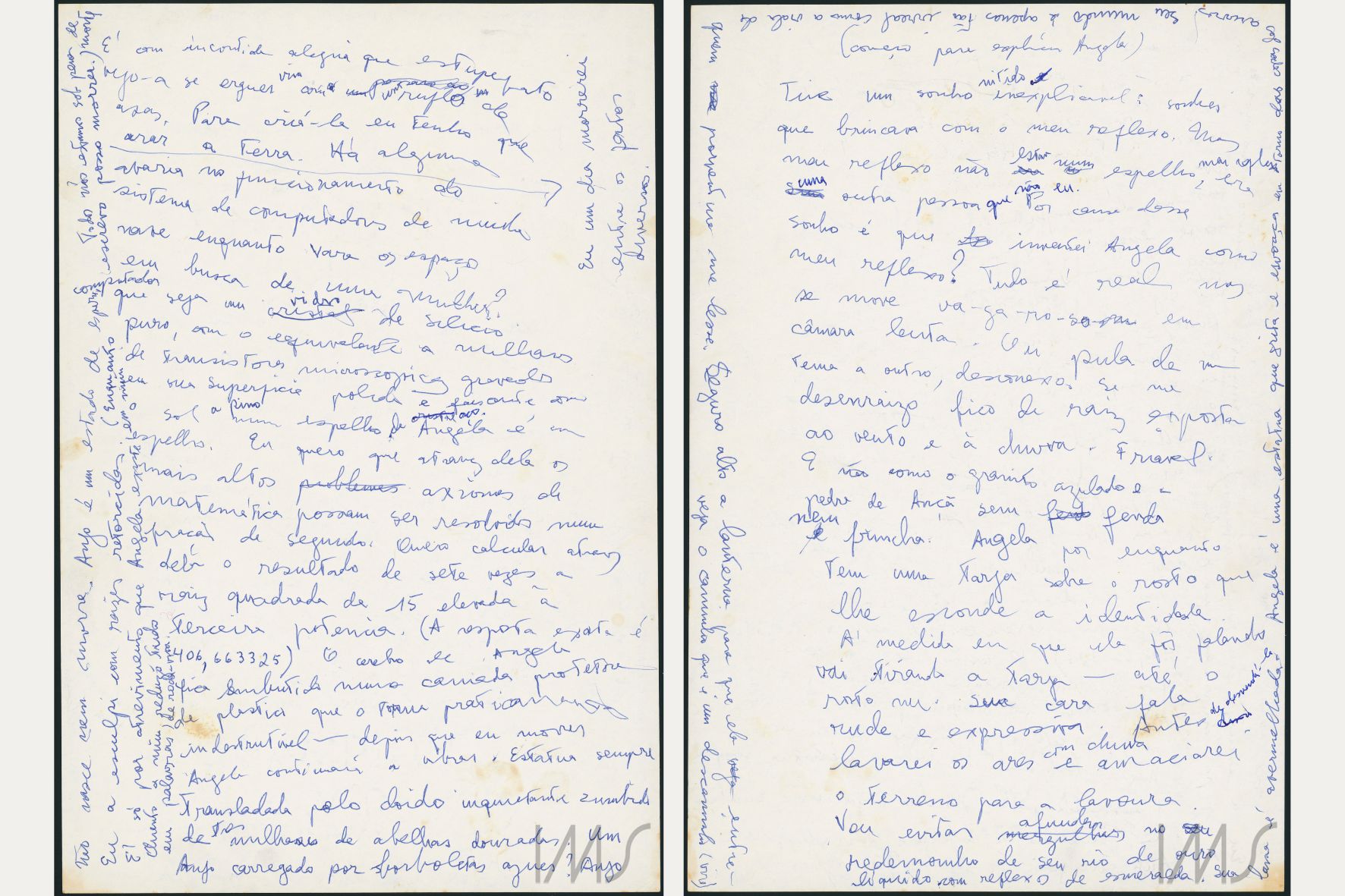
The second part of the original manuscripts of Um sopro de vida (A Breath of Life) was delivered by the writer's son, Paulo Gurgel Valente, to be incorporated into the Clarice Lispector Collection
by Elizama Almeida
A little known concept in Portuguese, unediting is less a theory and more a practical way to support complex publishing cases, such as the publication of A Breath of Life, a posthumous novel by Clarice Lispector organized by Olga Borelli. The aim of unediting is to undo the illusion of transparency that the ready, finished, and linear book, with a minimally stabilized narrative, conveys to readers.