In the 2025 edition of Clarice’s Hour, we will celebrate, through the voices and presentations of kids, the children’s story “Laura’s Intimate Life,” published as a book by Clarice Lispector in 1974. In this film, six children retell, act, illustrate, and co-direct the story of Laura the hen, her husband Luís, and their son Hermany in Dona Luísa’s henhouse.
The short film is the fruit of work that took place during the 2025 school year and involved professionals from the Literature Department and students from the Rio de Janeiro municipal school system, combining education, literature, and art, in three stages. In the preparation phase, each child received a copy of the book (donated by the publisher Rocco) and participated in a shared reading activity; next, they discussed the story with their parents at home; and in the third stage – which was creative and artistic – they acted out a few passages from the story and illustrated three scenes. These are the drawings that bring color to the film in a unique retelling of the story of Laura the hen.
A vida íntima de Laura (Laura’s Intimate Life) was conceived by Bruno Cosentino and Eucanaã Ferraz, directed by Laura Liuzzi and Bruno Cosentino, edited by Laura Liuzzi, produced by Bruno Cosentino, and supported by the Rocco publishing house.
See also
by Bruno Cosentino
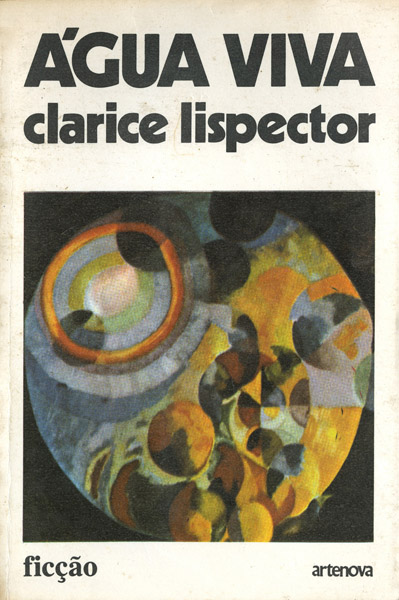
Clarice Lispector wrote about sex only once. It was in the book A via crúcis do corpo (The Via Crucis of the Body).
by Antonio Xerxenesky
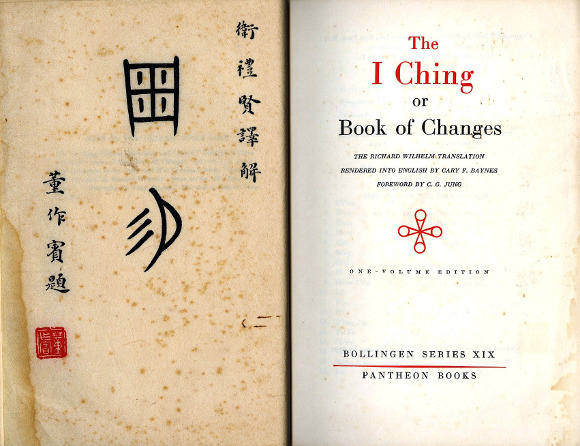
Clarice left various papers with drafts to calculate responses provided by the I Ching. Some of the questions are scribbled, such as “What’s my future in general?”
by Equipe IMS
Acclaimed by critics and a popular phenomenon on the internet, Clarice Lispector is considered, internationally, one of the great names in 20th century literature. Mysterious, obscure, revealing, experimental, strangely mystical, or philosophical – how to define the writing of the author of The Hour of the Star? This podcast, conceived and presented by Bruno Cosentino and Eucanaã Ferraz, covers Clarice’s life and work in five episodes, in which they talk to great specialists, professors, and researchers.
by Jorge Carrion
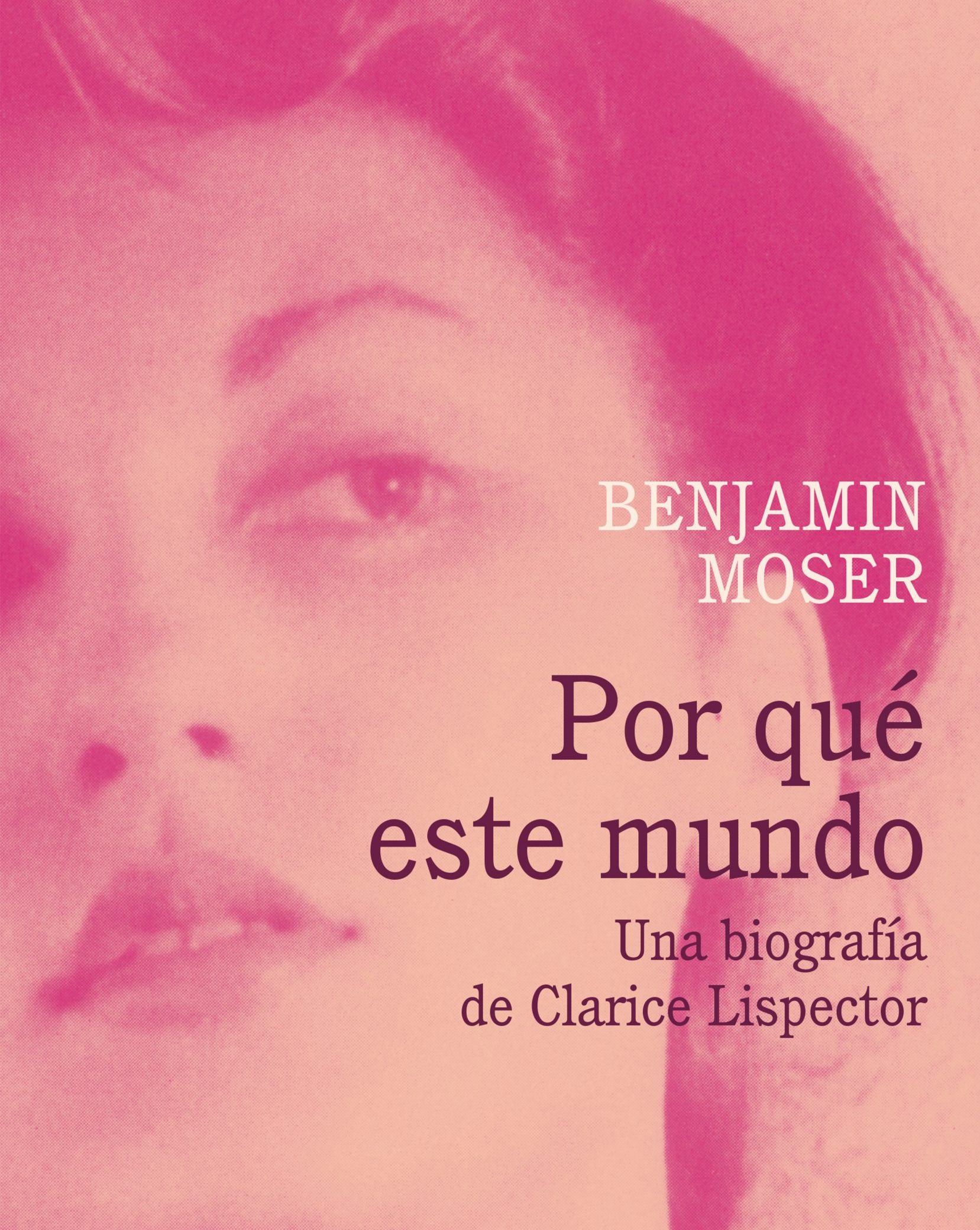
The Spanish writer and critic Jorge Carrión recently published, in The New York Times, an essay about the life and work of Clarice Lispector.
by Yudith Rosenbaum
The word “unfamiliar” is used by Clarice Lispector in several of her works. To be precise, in the original Portuguese, Clarice employed the neologism infamiliar, which is not in the dictionary, though it cannot be affirmed that the author is the source of this term in Brazilian literature. Nonetheless, by mentioning the word “unfamiliar” at least sixteen times, whether in novels, short stories, or chronicles, the author makes this unique signifier an object of greater attention.
by Elizama Almeida
Mineirinho, one of the Rio de Janeiro police’s most wanted criminals during the 1960s. José Miranda Rosa earned this nickname, naturally, for being born in the state of Minas Gerais.