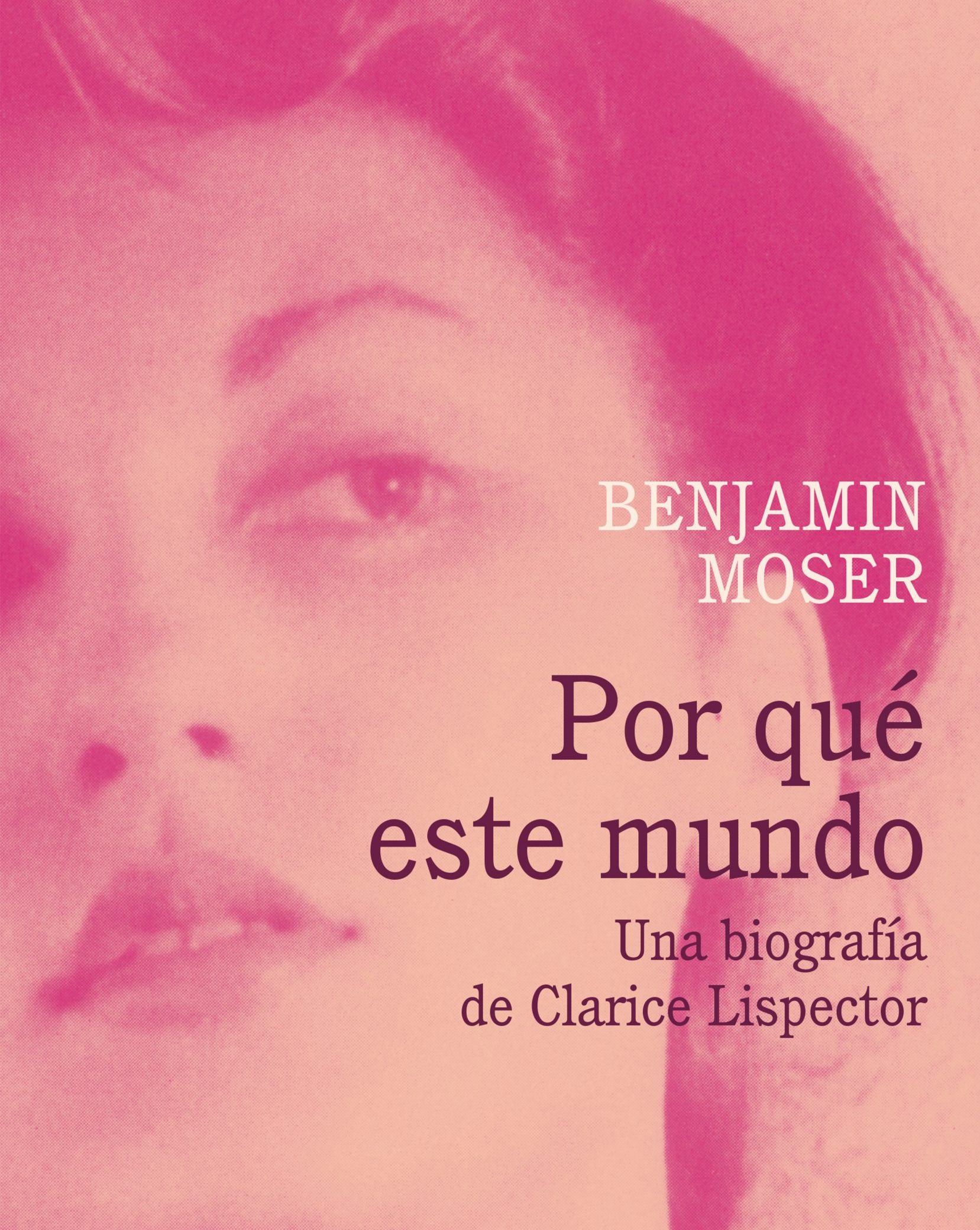
Written by Benjamin Moser, Clarice Lispector’s biography Why This World (Oxford University Press, 2009) continues to circulate around the world. Also published in Brazil by Cosac Naify in 2009, and translated by José Geraldo Couto, a new edition of the work was released this year, this time by Companhia das Letras. Titled Clarice, the reedited biography includes new photos, rare images, letters, and manuscripts discovered by Moser himself.
The book has now arrived in Spanish-speaking countries. The Madrid publisher Siruela released Por qué este mundo. Una biografía de Clarice Lispector (trans. Cristina Sánchez-Andrade) in September in Europe and began to distribute it in Latin America this month. The new releases will give Spanish-speaking readers the opportunity to get in touch with “a biography worthy of its great subject,” according to Orhan Pamuk, the Turkish Nobel Prize-winning writer. “One of the twentieth century’s most mysterious writers is finally revealed in all her vibrant colors.”
Are you interested? You can read a passage of the work by clicking here.
See also
by Bruno Cosentino
In 2020, Clarice Lispector would turn 100 years old. A series of events has been scheduled to celebrate the occasion.
by Equipe IMS
The Brazil LAB is an interdisciplinary initiative at Princeton University that considers Brazil to be a crucial nexus for us to understand today’s most pressing issues. Based at PIIRS (Princeton Institute of International and Regional Studies), the LAB brings together professors, researchers, and students from more than 20 different university departments (from the social to the natural sciences, from engineering to the arts and humanities) in interaction with dozens of researchers from academic institutions of excellence.
by Equipe IMS
Acclaimed by critics and a popular phenomenon on the internet, Clarice Lispector is considered, internationally, one of the great names in 20th century literature. Mysterious, obscure, revealing, experimental, strangely mystical, or philosophical – how to define the writing of the author of The Hour of the Star? This podcast, conceived and presented by Bruno Cosentino and Eucanaã Ferraz, covers Clarice’s life and work in five episodes, in which they talk to great specialists, professors, and researchers.
by Bruno Cosentino
Correio para mulheres (Women’s Mail), edited by Aparecida Maria Nunes, includes texts by Clarice Lispector directed towards a female readership and written in three distinct moments in the writer’s career.
by Cicero Cunha Bezerra
Michel de Certeau, in his La fable mystique, addresses an important aspect in the relation between idiocy and holiness in the first centuries, particularly in Christian literature, namely: a mode of isolation in the crowd. Idiocy, in the form of madness, is attributed to the crowd, and additionally, is established as a provocation, a transgression in the field of the “right-minded.”
by Elizama Almeida
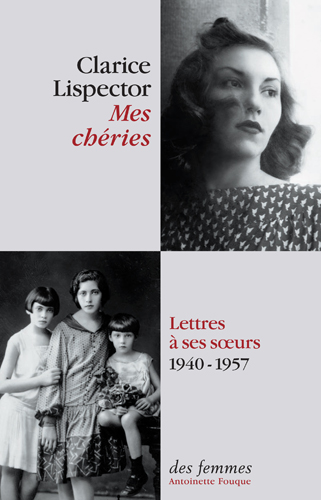
At the 35th edition of the Paris Book Fair, Brazil was the country of honor. The program was marked by an exhibition dedicated to Clarice Lispector at Éditions des Femmes,