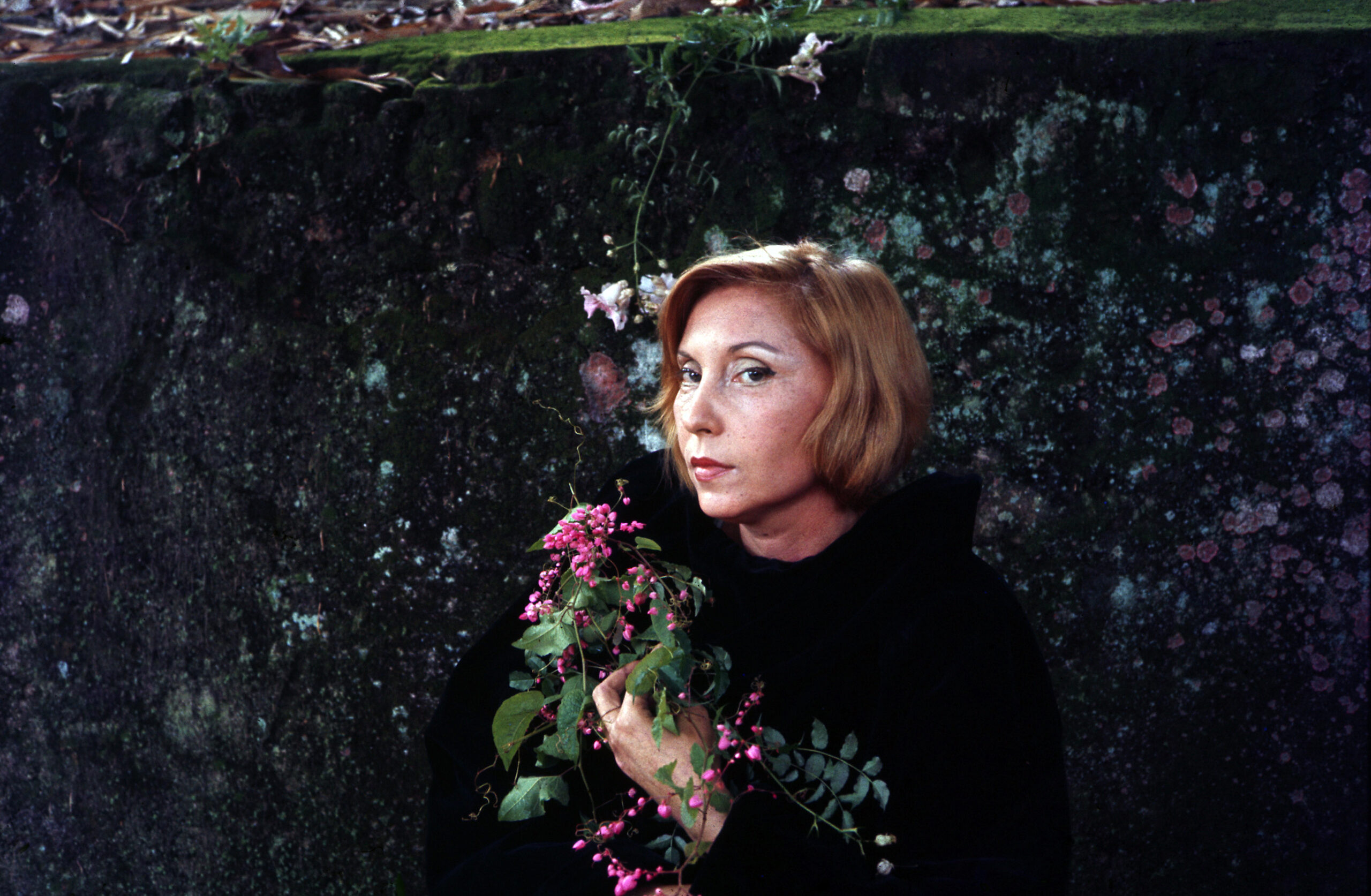
One of Clarice Lispector’s most translated books, The Hour of the Star was published almost 40 years ago by the José Olympio publishing house in October of 1977.
The Rocco publishing house, which as of 1998 assumed the republication of Clarice’s works, is preparing a special volume to celebrate the occasion. Expected to arrive in bookstores in May, the hardcover publication will include six essays written by scholars of the author, among them Nádia Gotlib, Eduardo Portella, Colm Tóibín, Hélène Cixous, and Paloma Vidal.
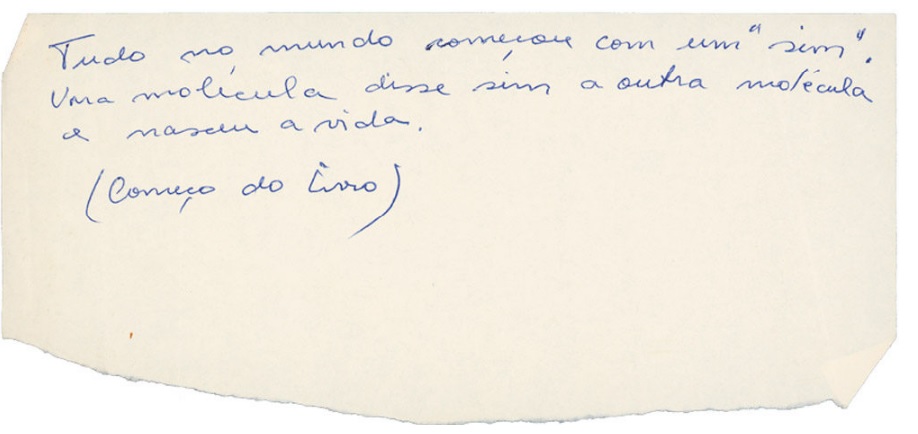
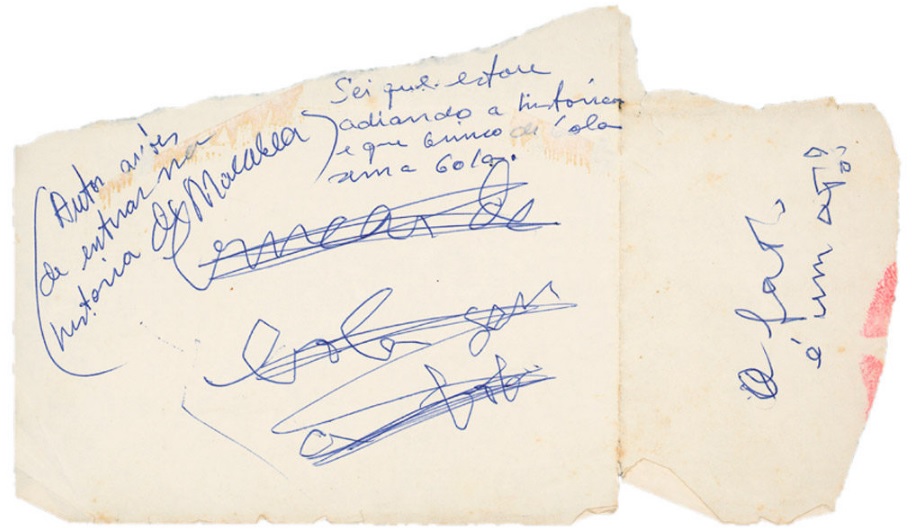
With a new look, the book will also have an extra section with a facsimile reproduction of the novella’s manuscripts. A part of these manuscripts, in the care of the IMS since 2004, has been scanned and can be accessed here.
Original manuscript of The Hour of the Star / Clarice Lispector Collection / IMS
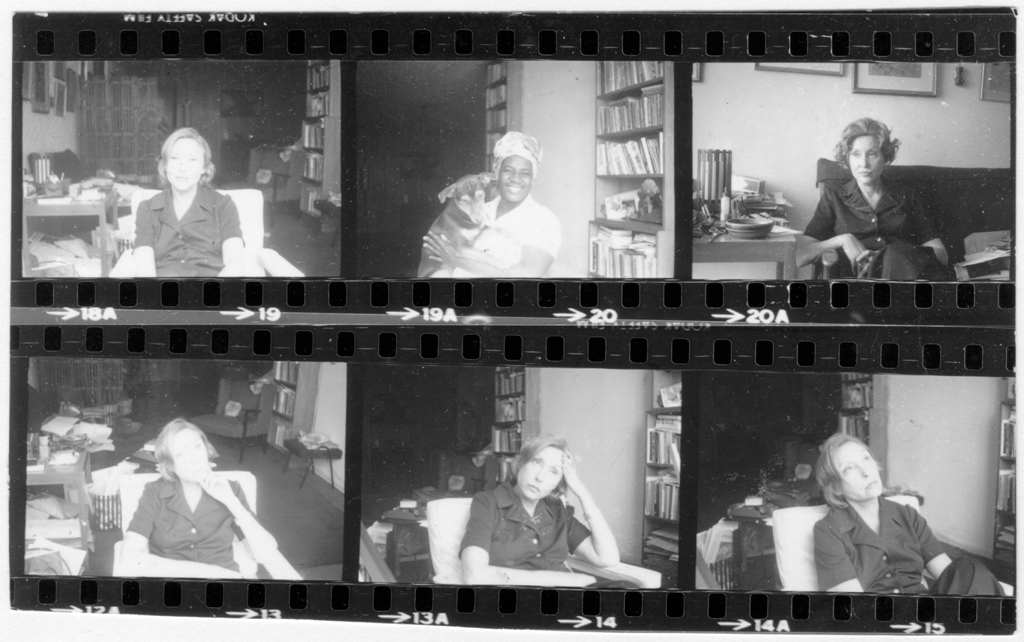
In addition to the originals for The Hour of the Star, the Clarice Lispector Collection, which is entirely catalogued and available for research in person, is made up of the manuscripts of the novels A Breath of Life and Água Viva, family correspondence, two paintings by the author, LPs, photographs, negatives, and a personal library with around one thousand items, such as books and periodicals.
The numerous commentators who not only in Brazil but also throughout the world investigate Clarice Lispector’s work encounter several aspects to highlight in her multifaceted writing.1 From the fruitful tension between transcendence and contingence to the profound and refined attention to the human condition, one can encounter an immense variety of dimensions in her body of writings.
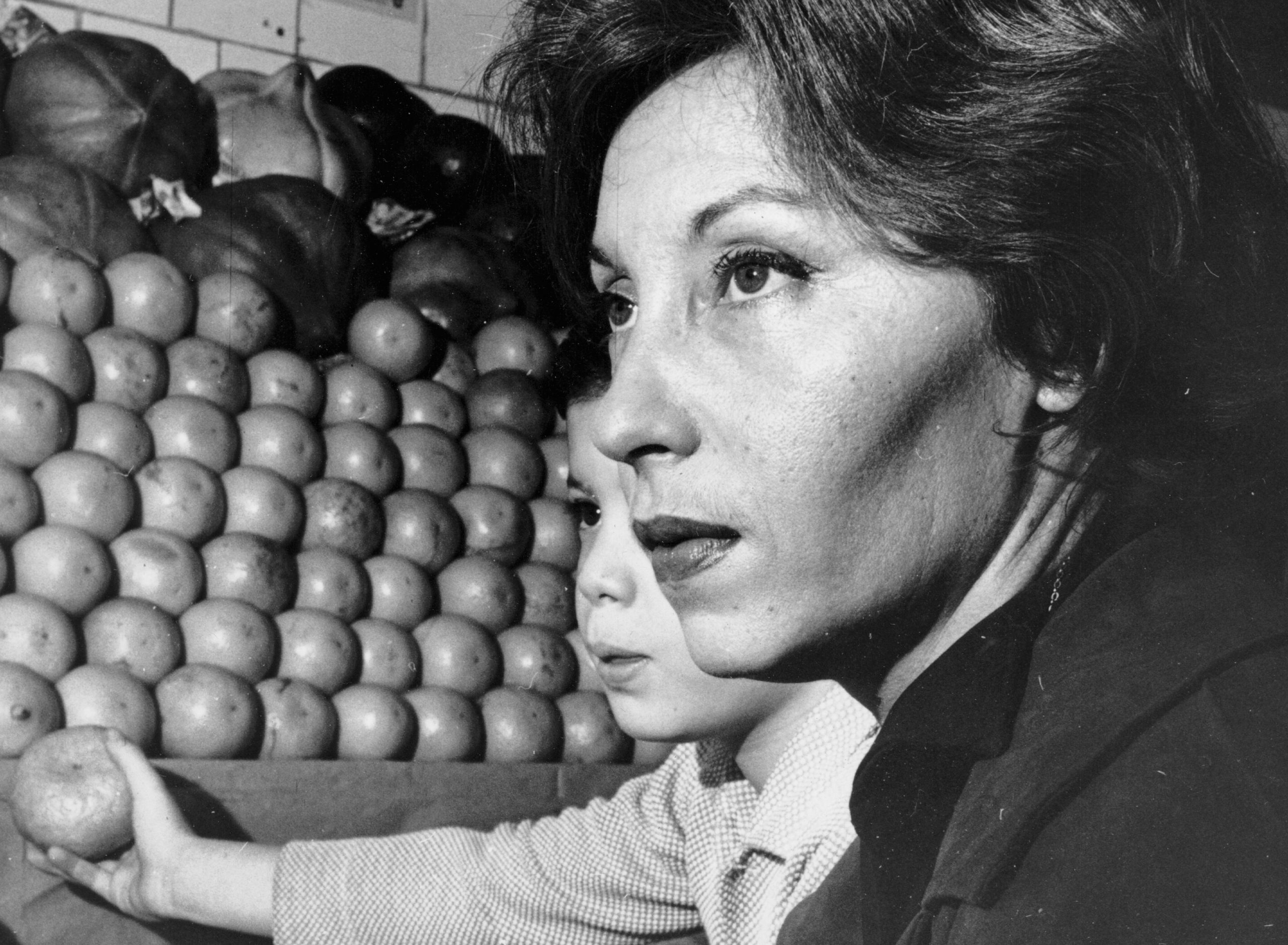
Acclaimed by critics and a popular phenomenon on the internet, Clarice Lispector is considered, internationally, one of the great names in 20th century literature. Mysterious, obscure, revealing, experimental, strangely mystical, or philosophical – how to define the writing of the author of The Hour of the Star? This podcast, conceived and presented by Bruno Cosentino and Eucanaã Ferraz, covers Clarice’s life and work in five episodes, in which they talk to great specialists, professors, and researchers.
The frequent allusion to domestic servants in the urban environment of her chronicles demonstrates what is a reality for many middle-class families in the country: incorporated into the intimate environment of the home in the condition of a “domesticated outsider”, the domestic servant constitutes the most lasting and personal relationship that a member of the middle class allows themselves to establish with poverty.
Written in the 1950s, during the period in which she lived in Washington, The Mystery of the Thinking Rabbit was the first children’s book written by Clarice Lispector.
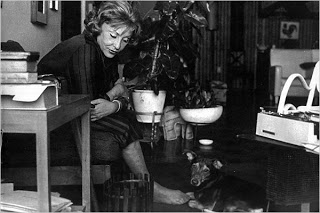
Ulysses was Clarice Lispector’s last dog, a mongrel who stole cigarette butts and queued for Coca-Cola and whiskey for visitors. He was so eccentric that he earned a robust note in the infamous periodical O Pasquim.