On December 10, the Moreira Salles Institute presents the fourth edition of Clarice’s Hour, an event that marks Clarice Lispector’s birthday (1920-1977).
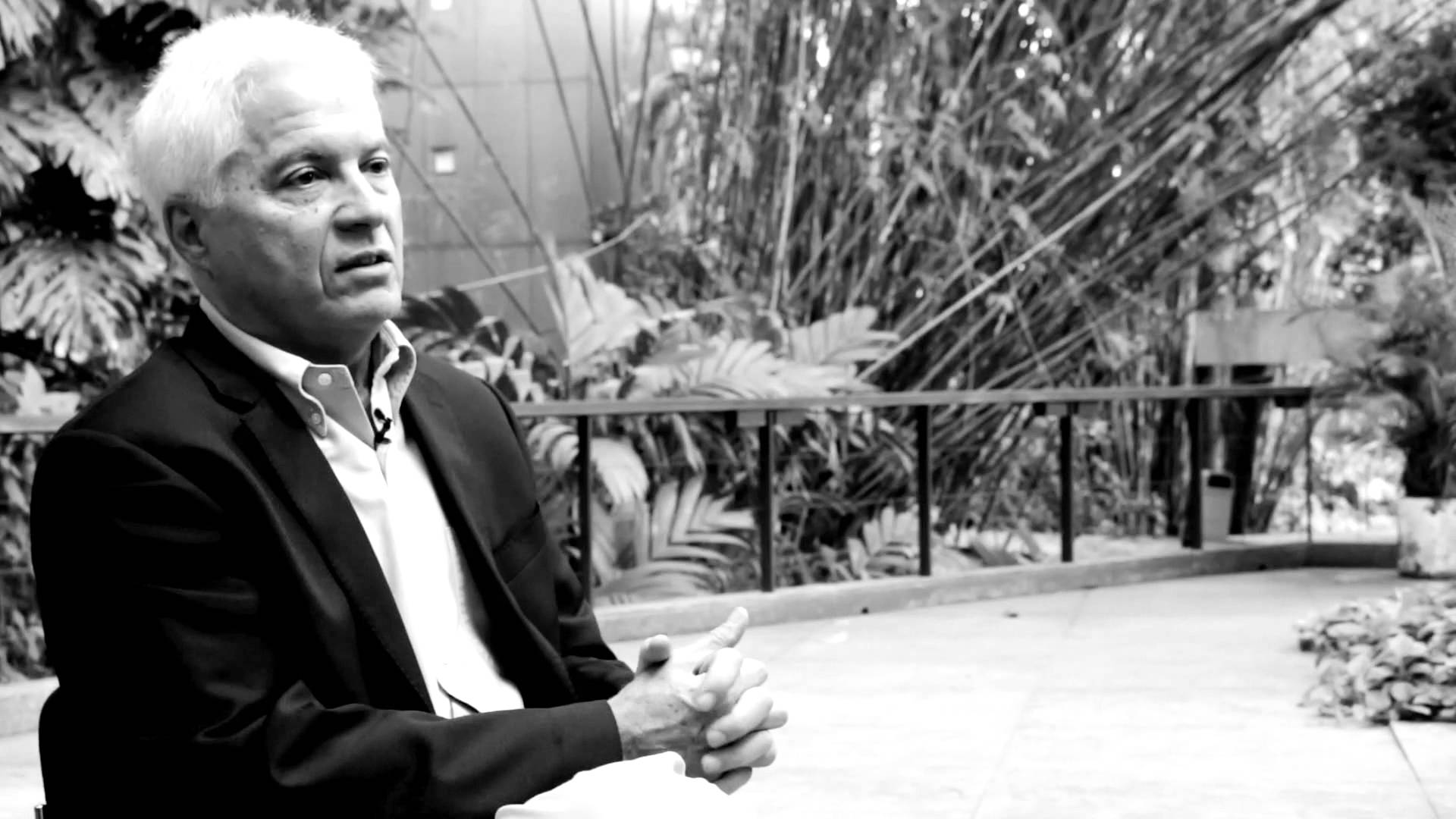
As part of the commemoration, IMS has produced a video interview with Paulo Gurgel Valente, son of the writer, who spoke with Eucanaã Ferraz and Elizama Almeida and recalls, for example, the personalities who frequented his home and the first book that he read by his mother.
This August, Todas as crônicas will be released, a volume that brings together for the first time all the chronicles written by Clarice Lispector for newspapers and magazines.
The critic José Castello will teach new classes for Grupo Clarice, a group dedicated to the reading and study of the works of Clarice Lispector. Among the works discussed are...
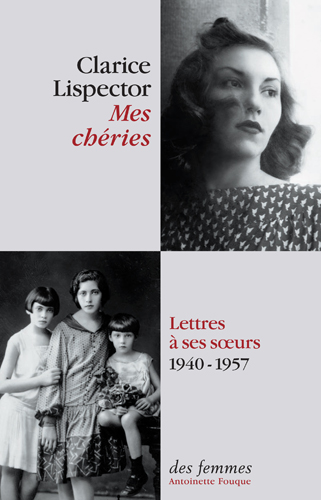
At the 35th edition of the Paris Book Fair, Brazil was the country of honor. The program was marked by an exhibition dedicated to Clarice Lispector at Éditions des Femmes,