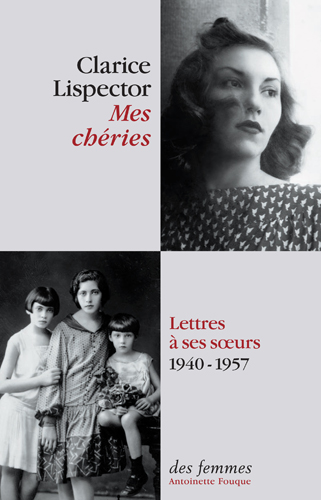
At the 35th edition of the Paris Book Fair, one of the most important literary events today, Brazil was the country of honor. The program took place between March 20th and 23rd of that year and was marked by an exhibition dedicated to Clarice Lispector at Éditions des Femmes, the publishing house responsible for the launch of Mes chérie – Lettres à ses sœurs. The book, organized by Teresa Monteiro and prefaced by Nádia Battella Gotlib, consists of 120 letters sent to her sisters Tânia and Elisa Lispector during the 1940s and 1950s, a period in which Clarice accompanied her diplomat husband Maury Gurgel Valente in several countries. Mes chérie, which has already been translated and published in Spanish (Queridas mías) by the publisher Siruela, reveals an intimate and affective side of the author.
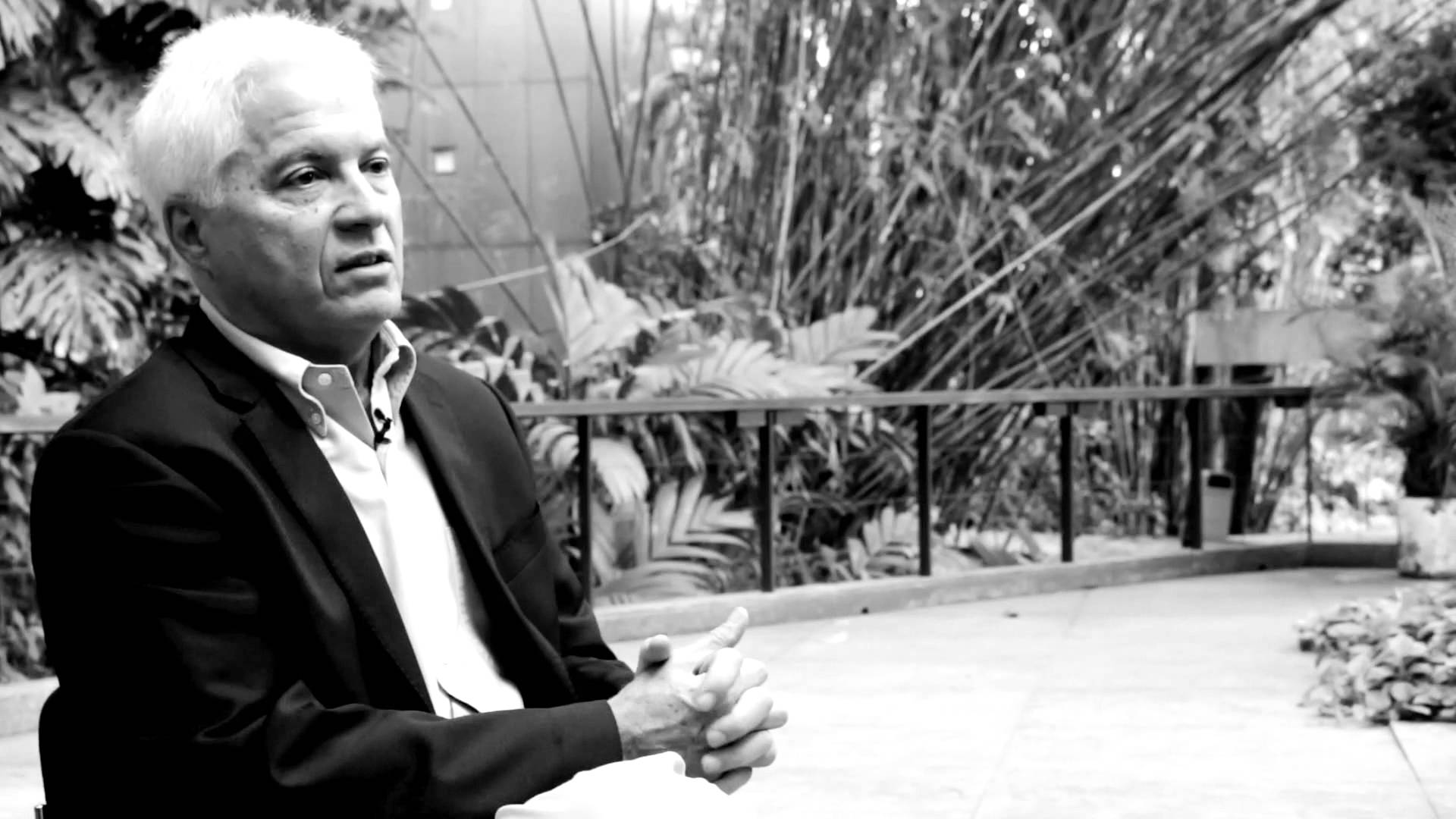
Also on the occasion of the Book Salon, the interview with Paulo Gurgel Valente produced by the Moreira Salles Institute as one of the celebrations of the Clarice’s Hour event, in December 2014, was subtitled and broadcast at the French publisher’s venue.
See also
by Elizama Almeida
Paulo Gurgel Valente, Clarice's son, spoke with Eucanaã Ferraz and Elizama Almeida and recalls, for example, the personalities who frequented his home.
by Bruno Cosentino
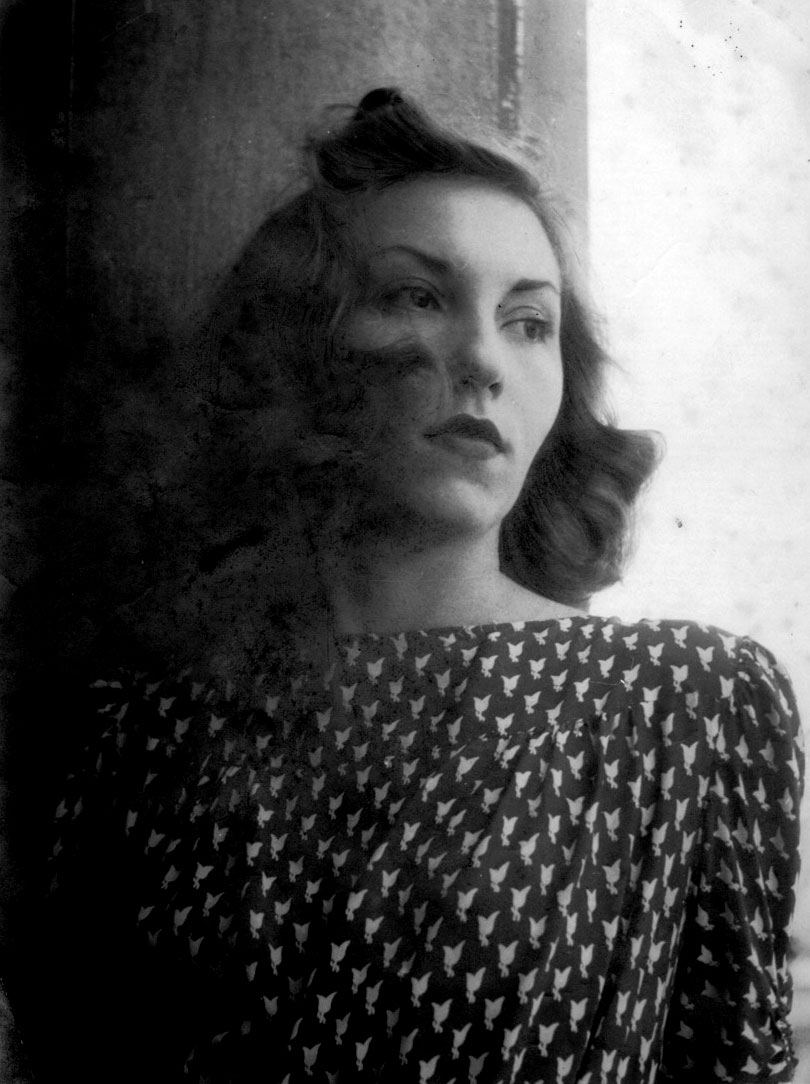
The writer Ana Maria Machado had an unusual and emotional episode with Clarice Lispector. This happened in 1975. After having read an article by Ana Maria, published that very day in the Jornal do Brasil, about the birthday of the writer Roland Barthes, Clarice, who did not know her personally, insistently asked her for help to organize what in two years would be the book The Hour of the Star.
by Bruno Cosentino
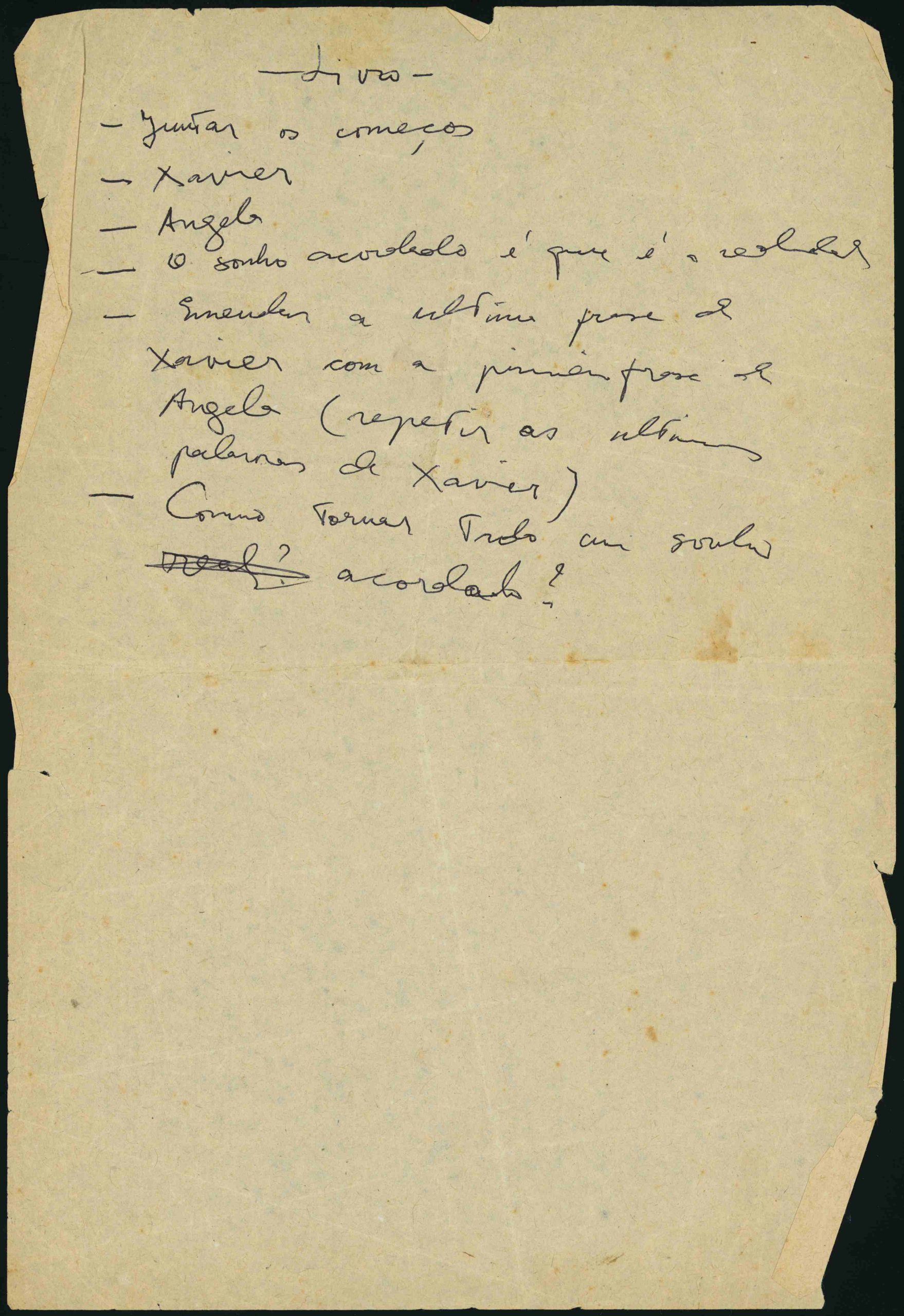
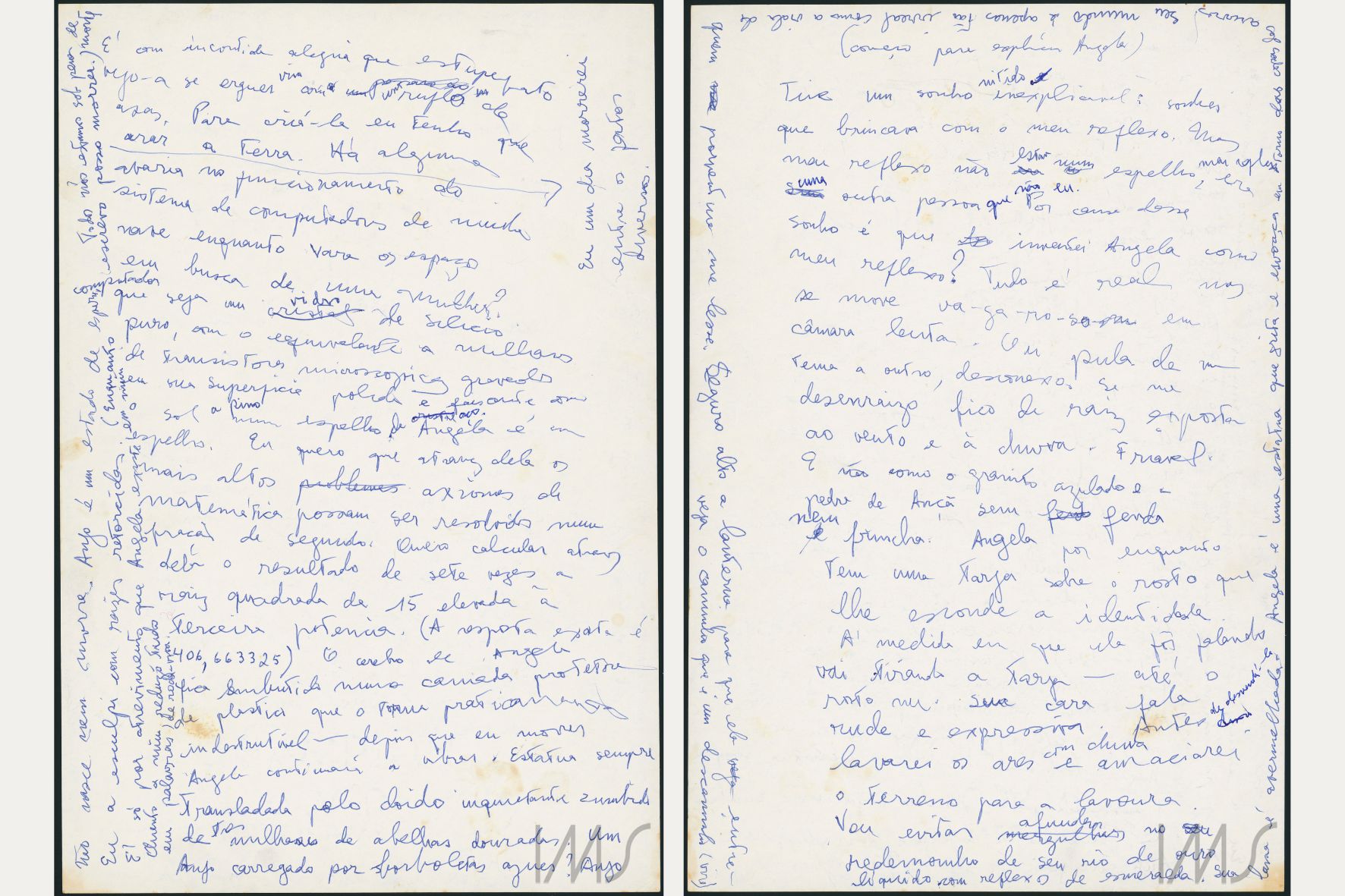
The second part of the original manuscripts of Um sopro de vida (A Breath of Life) was delivered by the writer's son, Paulo Gurgel Valente, to be incorporated into the Clarice Lispector Collection
by Elizama Almeida
A little known concept in Portuguese, unediting is less a theory and more a practical way to support complex publishing cases, such as the publication of A Breath of Life, a posthumous novel by Clarice Lispector organized by Olga Borelli. The aim of unediting is to undo the illusion of transparency that the ready, finished, and linear book, with a minimally stabilized narrative, conveys to readers.
by Elizama Almeida
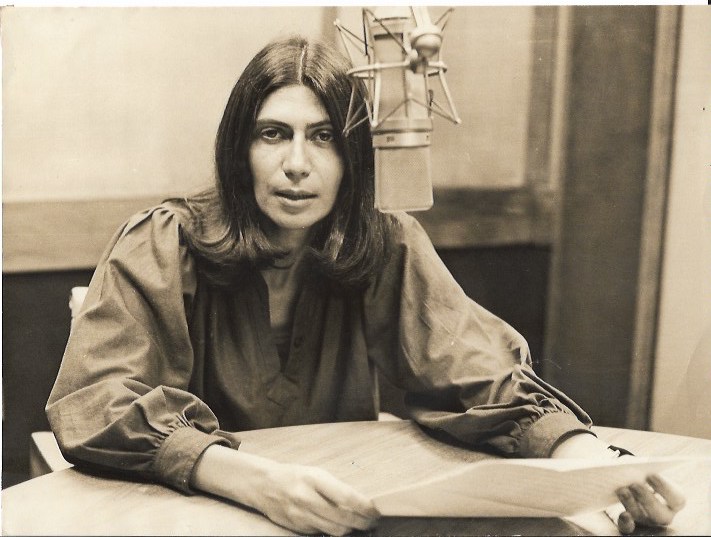
A conversation about football and literature between Armando Nogueira and Clarice Lispector