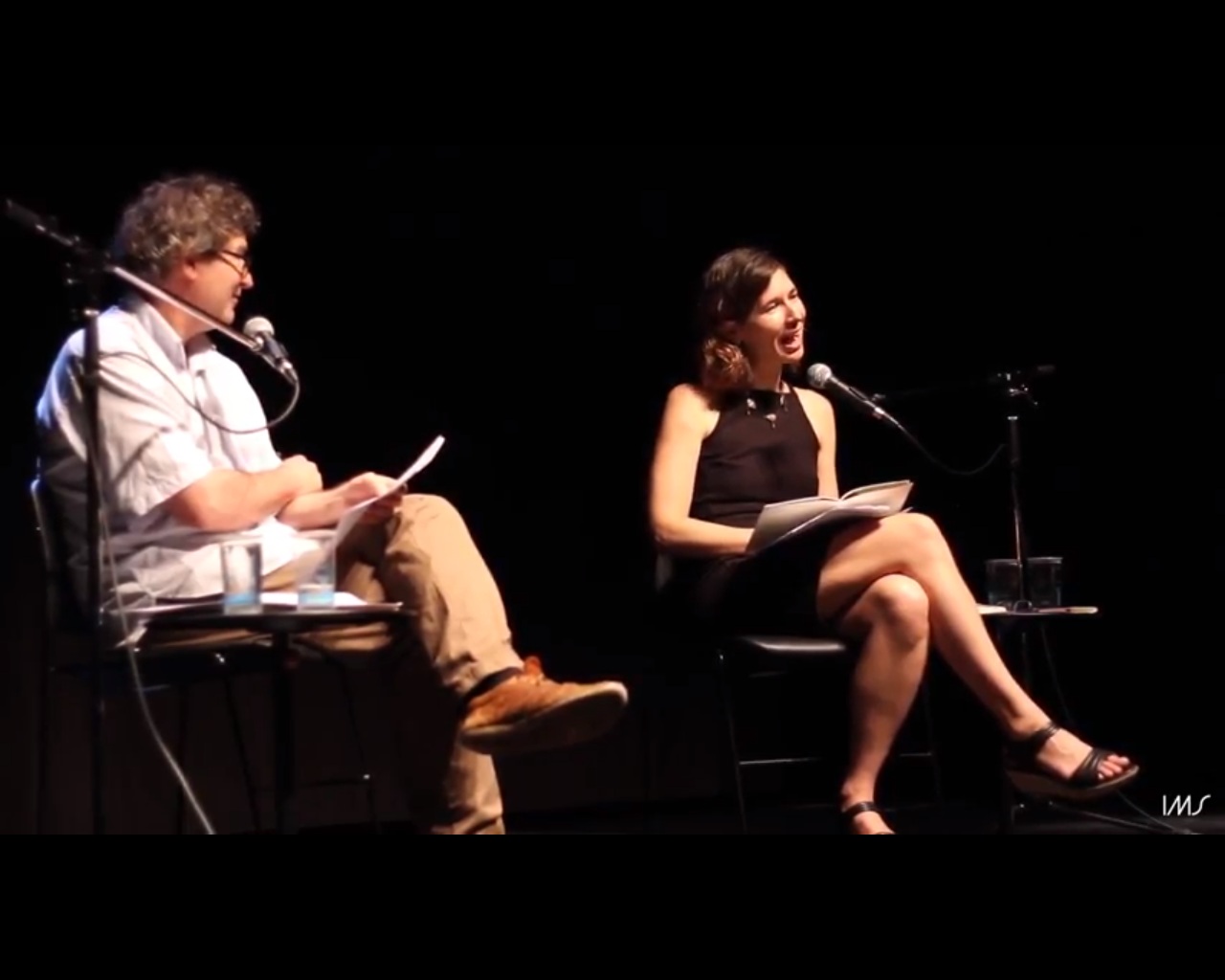
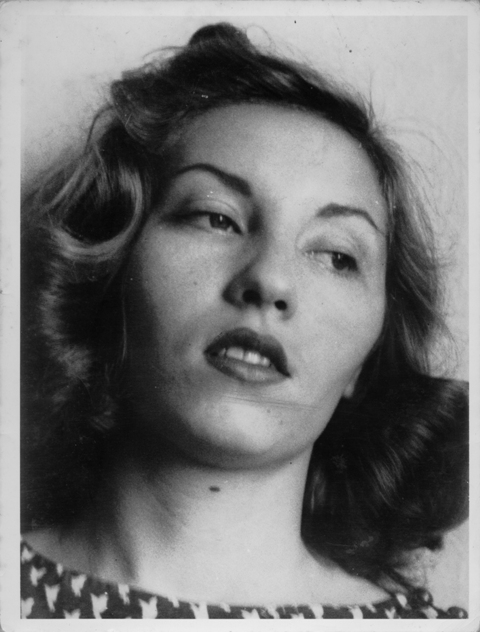
In this edition of “Clarice’s Hour,” the IMS Paulista hosted a conversation with Idra Novey, mediated by the poet and editor Alberto Martins. Novey spoke about the experience of translating The Passion According to G.H. to English and about her new novel published in Brazil, Ways to Disappear (2017), which is marked by the mysterious disappearance of a writer who may or may not be Clarice Lispector.
Above is a passage in Portuguese and in English from The Passion According to G.H. that moved the public. Below is the video of the meeting.
In the 2025 edition of Clarice’s Hour, we will celebrate, through the voices and presentations of kids, the children's story “Laura’s Intimate Life,” published as a book by Clarice Lispector in 1974. In this film, six children retell, act, illustrate, and co-direct the story of Laura the hen, her husband Luís, and their son Hermany in Dona Luísa's henhouse.
In this video lesson, Mell Brites, author of the book As Crianças de Clarice: Narrativas da Infância e Outras Revelações (The Children of Clarice: Narratives of Childhood and Other Revelations), addresses the theme of childhood in Clarice Lispector’s literature, both in her children's books and in those aimed at an adult audience.
Clarice Lispector will be honored at the Brazil booth at the 44th Buenos Aires International Book Fair, which will take place between April 24 and May 14.
The work of Clarice Lispector revolves around on two notions: the symbol and the thing. The thing, physics, and the symbol, metaphysics; the thing, immanence, and the symbol, transcendence; the thing, the body, and the symbol, language; the thing, existence, and the symbol, the saying; the thing, the event, and the symbol, the way to make it possible to read the nonsymbolizable thing.