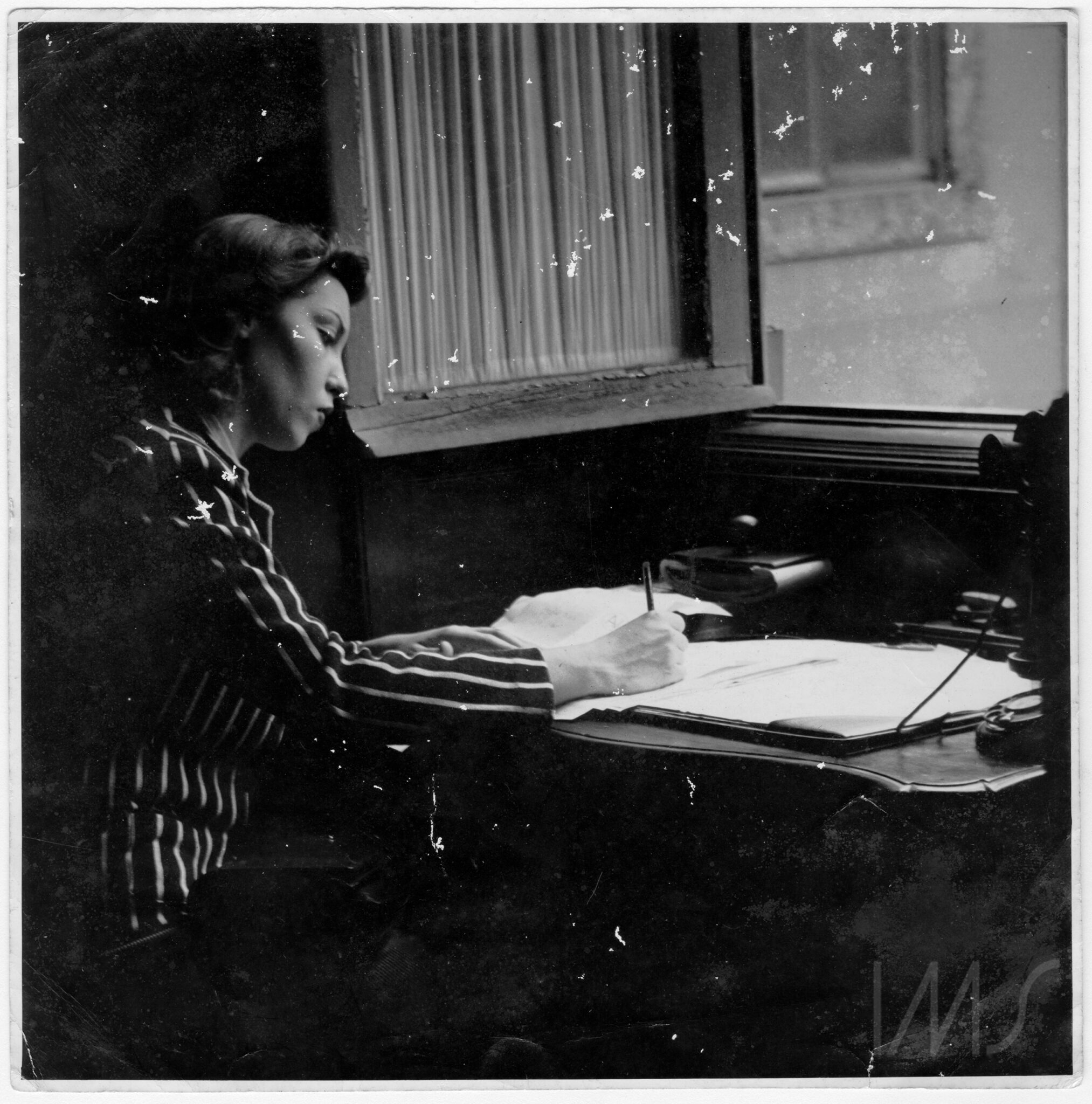
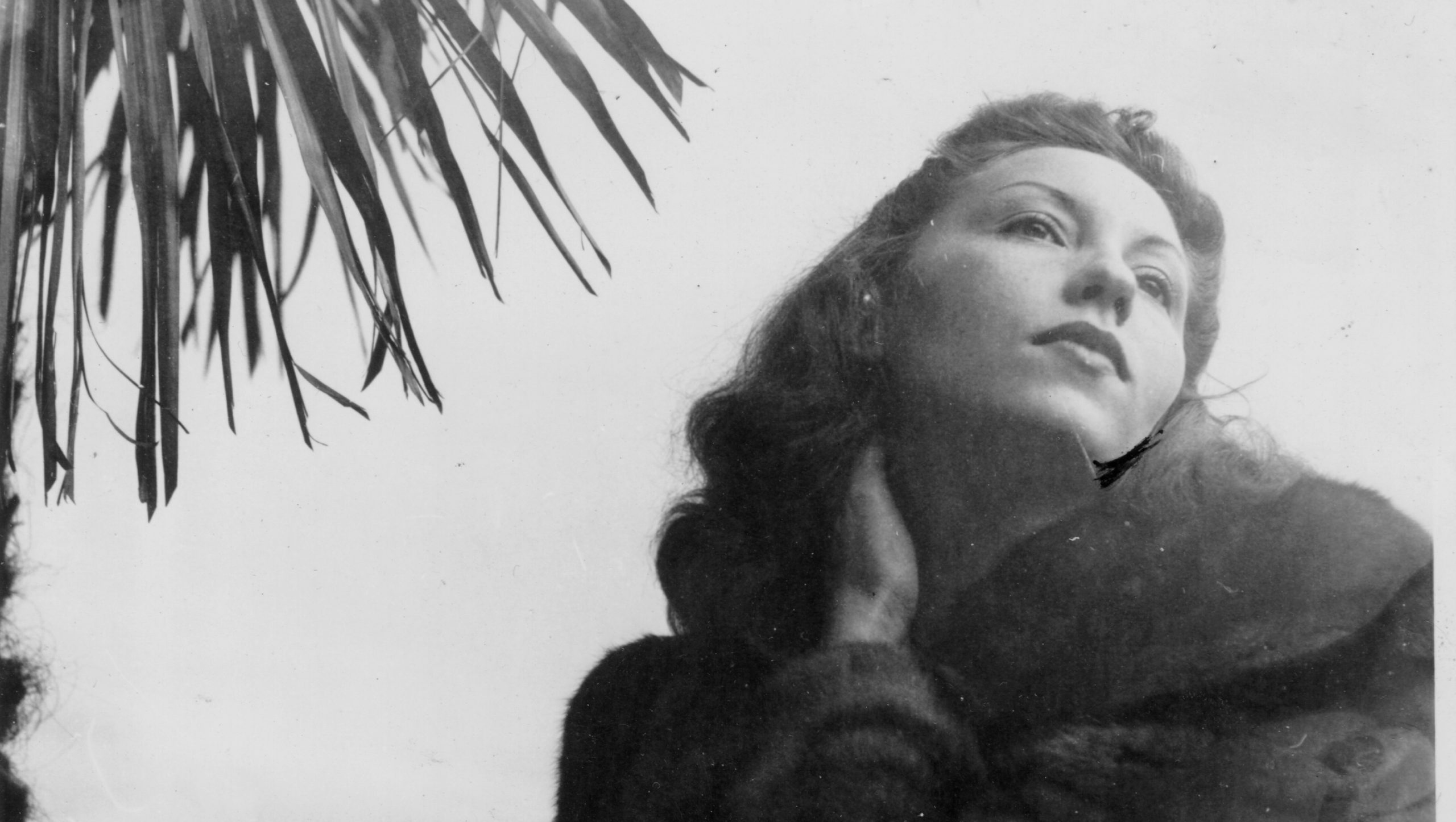
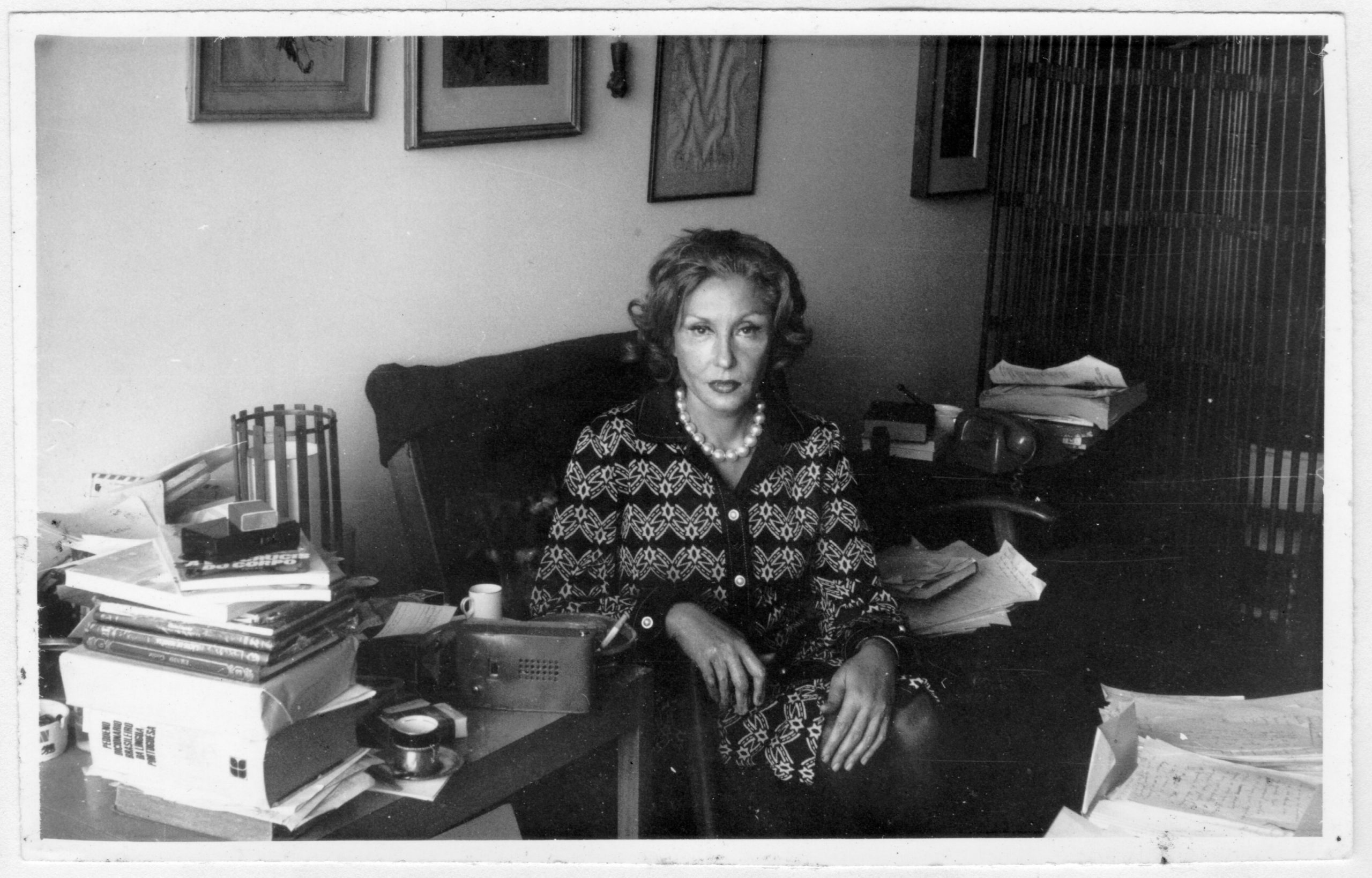
Clarice Lispector will be honored at the Brazil booth at the 44th Buenos Aires International Book Fair, which will take place between April 24 and May 14.
The project entails a multi-language exhibition about the Brazilian writer composed of a large poster board with her image, biography, and fragments of her work; books for sale in Portuguese and Spanish editions; video projections with interviews about her; and a replica of her statue, the original of which is located at Leme Beach, in Rio de Janeiro, where visitors can take photos.
On May 5, a day dedicated to Brazil, the booth will also hold a reading of dialogues by the author, read by five Argentinian actors, followed by a performance of her texts by the actress Luísa Kuliok in an auditorium for up to a thousand people.
*Photo: Unknown photographer/ Clarice Lispector Archive/ IMS
See also
by Elizama Almeida
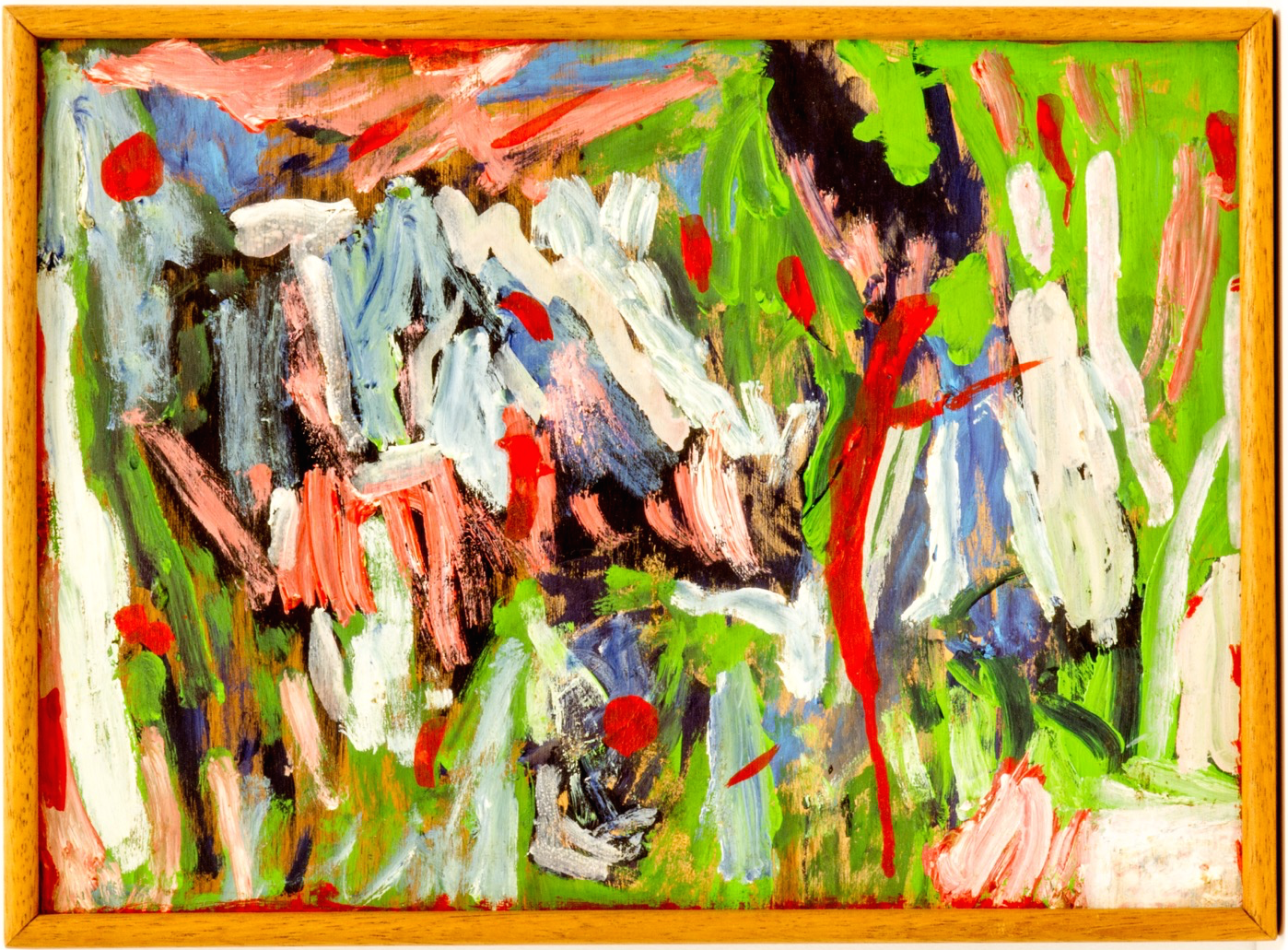
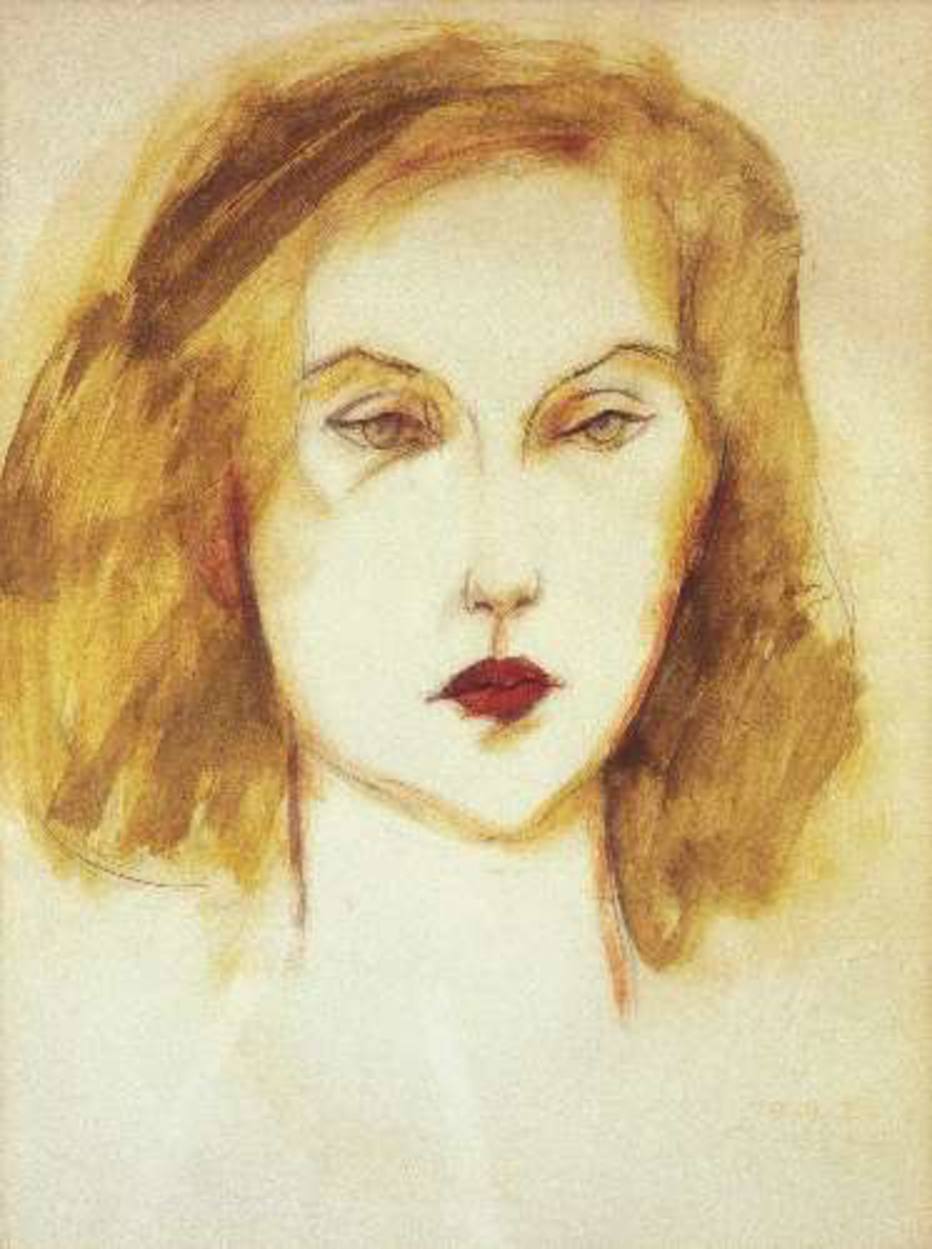
Among the items that make up the Clarice Lispector Collection, which has been at the IMS since 2004, are two paintings by the author.
by Bruno Cosentino
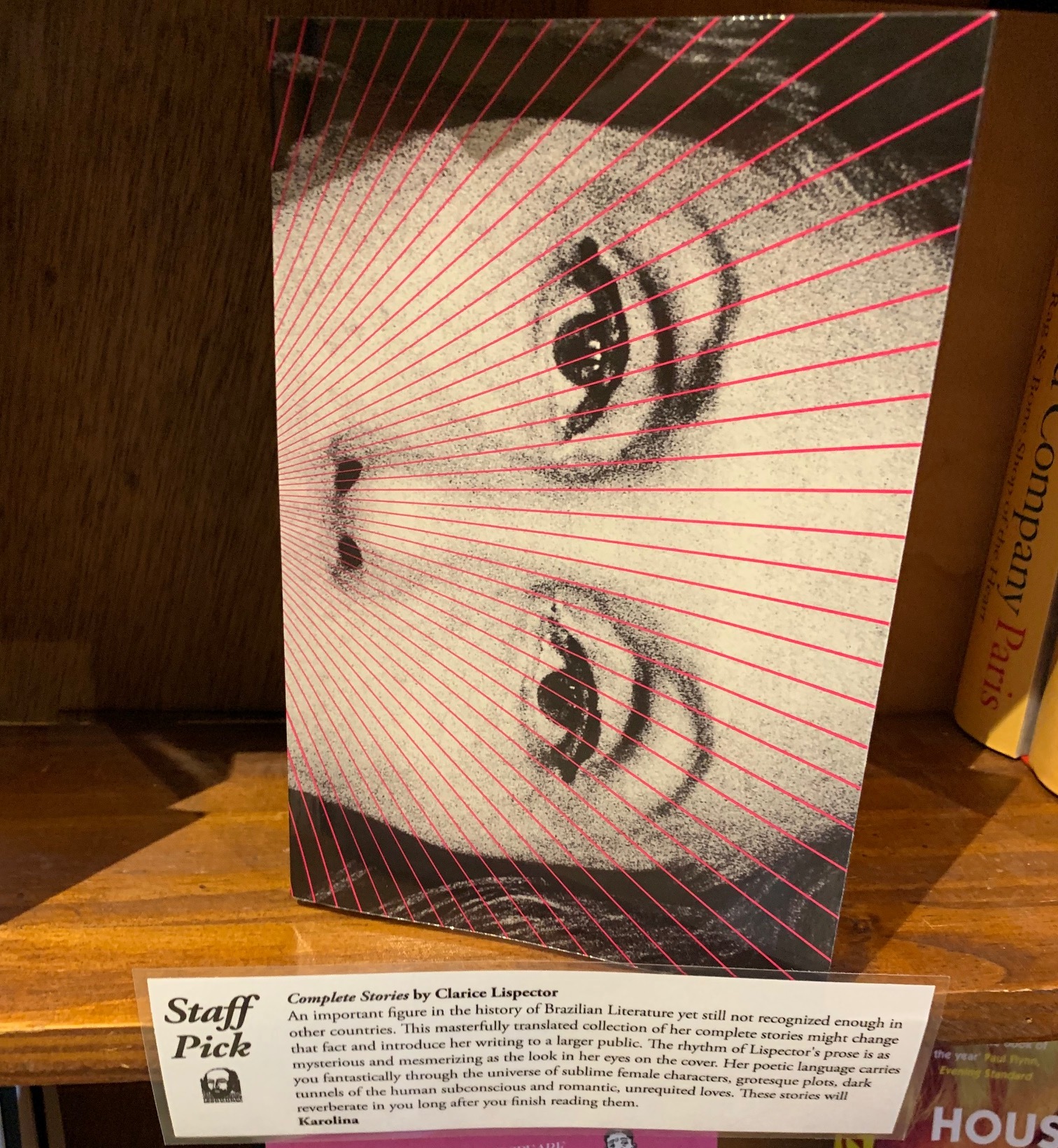
The traditional Parisian bookstore Shakespeare and Company placed on special display the English version of the book The Complete Stories, by Clarice Lispector.
by Bruno Cosentino
Clarice’s connection with politics does not take place on the surface of public life, or in the texts that directly address the issue. This is due to the writer’s understanding of the rift between art and politics, which is addressed in two related texts, “Literature and Justice” and “What I Would Like to Have Been,” in which she observes with disconcerting lucidity the uselessness of her literature as a political instrument.
by Marco Antonio Notaroberto
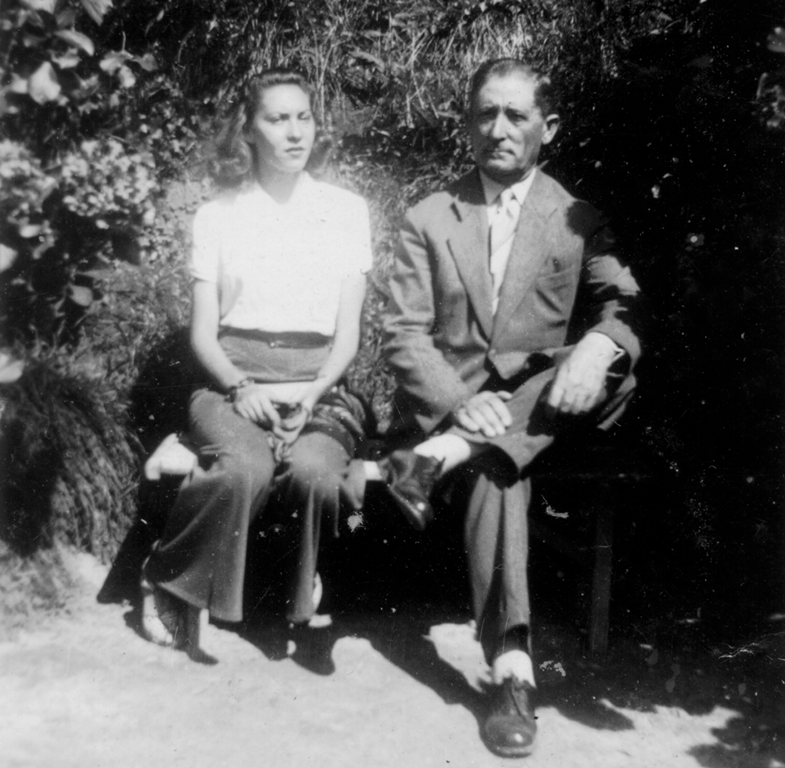
The following text began with research on the correspondence between Clarice Lispector and her sisters Tania Kauffman and Elisa Lispector, under the care of the IMS.
by Paulo Gurgel Valente
I believe that Clarice and I shared a common feeling: objects are not inanimate, on the contrary, they have a secret life. I do not know if the reader has already tried turning off the lights at night in your room and, little by little, noticed that your eyes adapt to the dark and finally you can perceive the living presence of things.
by Clarice Lispector
I spent an unforgettable weekend in Cabo Frio, hosted by Scliar who painted two portraits of me. Scliar’s house is very beautiful. Cabo Frio inspires Scliar. I asked him about so much creativity.