

Search result

Little Readings
In the 2025 edition of Clarice’s Hour, we will celebrate, through the voices and presentations of kids, the children's story “Laura’s Intimate Life,” published as a book by Clarice Lispector in 1974. In this film, six children retell, act, illustrate, and co-direct the story of Laura the hen, her husband Luís, and their son Hermany in Dona Luísa's henhouse.
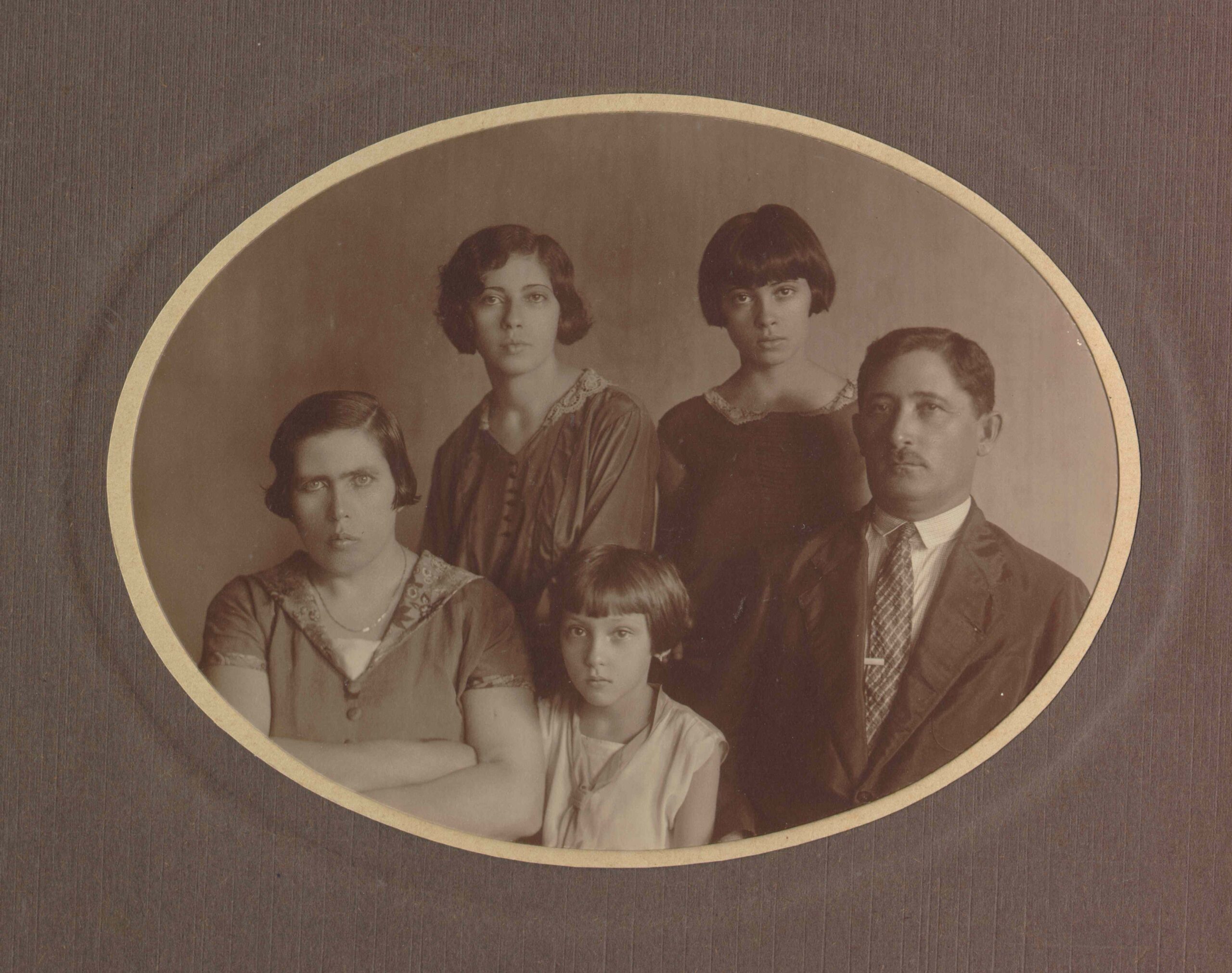
Clarice Lispector and the Invention of Judeity
Benjamin Moser, one of the most significant biographers of Clarice Lispector, said in an interview that one of his goals in writing Why This World, published in the United States and translated into Portuguese as Clarice, uma biografia, was to make space for a theme rarely explored by literary critics, commentators, and biographers: the writer’s “Judeity.” Most tend to limit themselves to reflecting on her “Brazilianness,” “as if one had to choose between being Jewish and being Brazilian.”

Always Roses for Clarice
The day I met Clarice was not the same day she met me. I was all adoration, observing her. She had no reason to even lay eyes on me. Leaving the Jornal do Brasil newsroom together, the journalist Yllen Kerr, a great friend of mine, said he was going to visit Clarice and asked if I wanted to go. Did I ever!
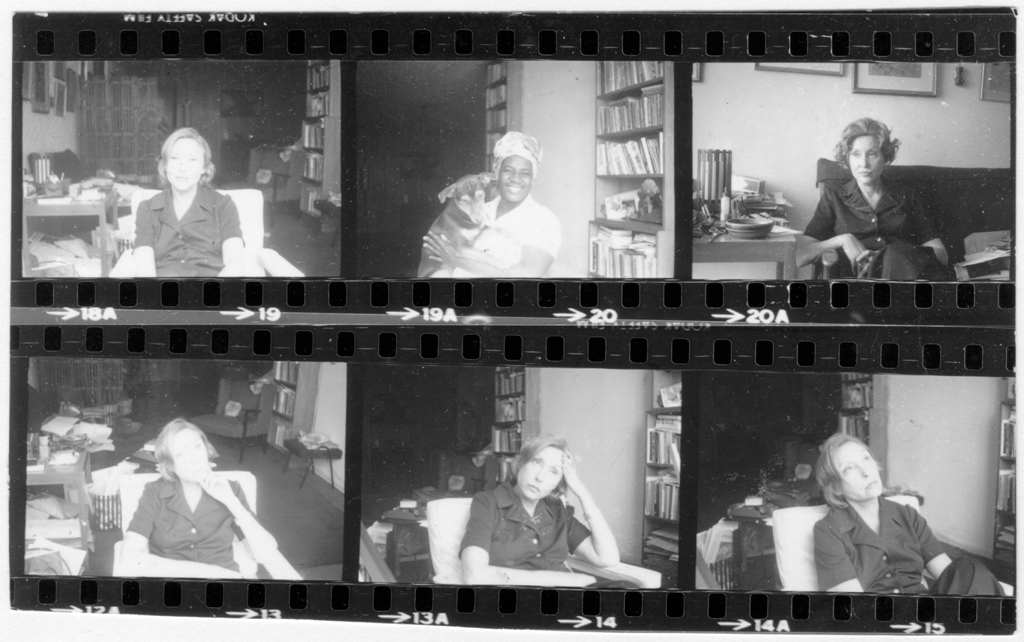
Clarice, Mistress
The frequent allusion to domestic servants in the urban environment of her chronicles demonstrates what is a reality for many middle-class families in the country: incorporated into the intimate environment of the home in the condition of a “domesticated outsider”, the domestic servant constitutes the most lasting and personal relationship that a member of the middle class allows themselves to establish with poverty.
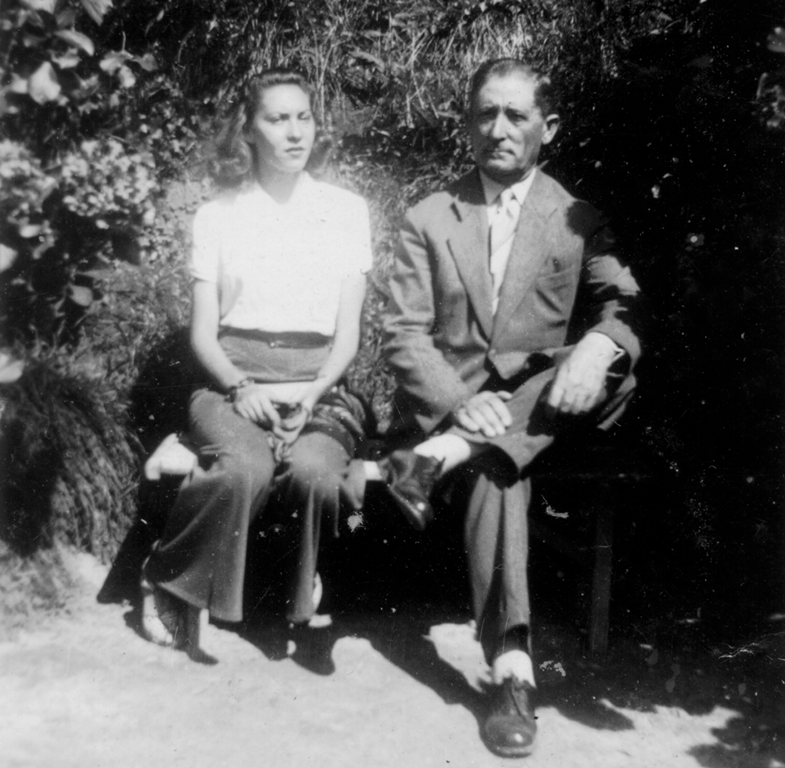
“In the Name of My Father”
Clarice’s connection with politics does not take place on the surface of public life, or in the texts that directly address the issue. This is due to the writer’s understanding of the rift between art and politics, which is addressed in two related texts, “Literature and Justice” and “What I Would Like to Have Been,” in which she observes with disconcerting lucidity the uselessness of her literature as a political instrument.
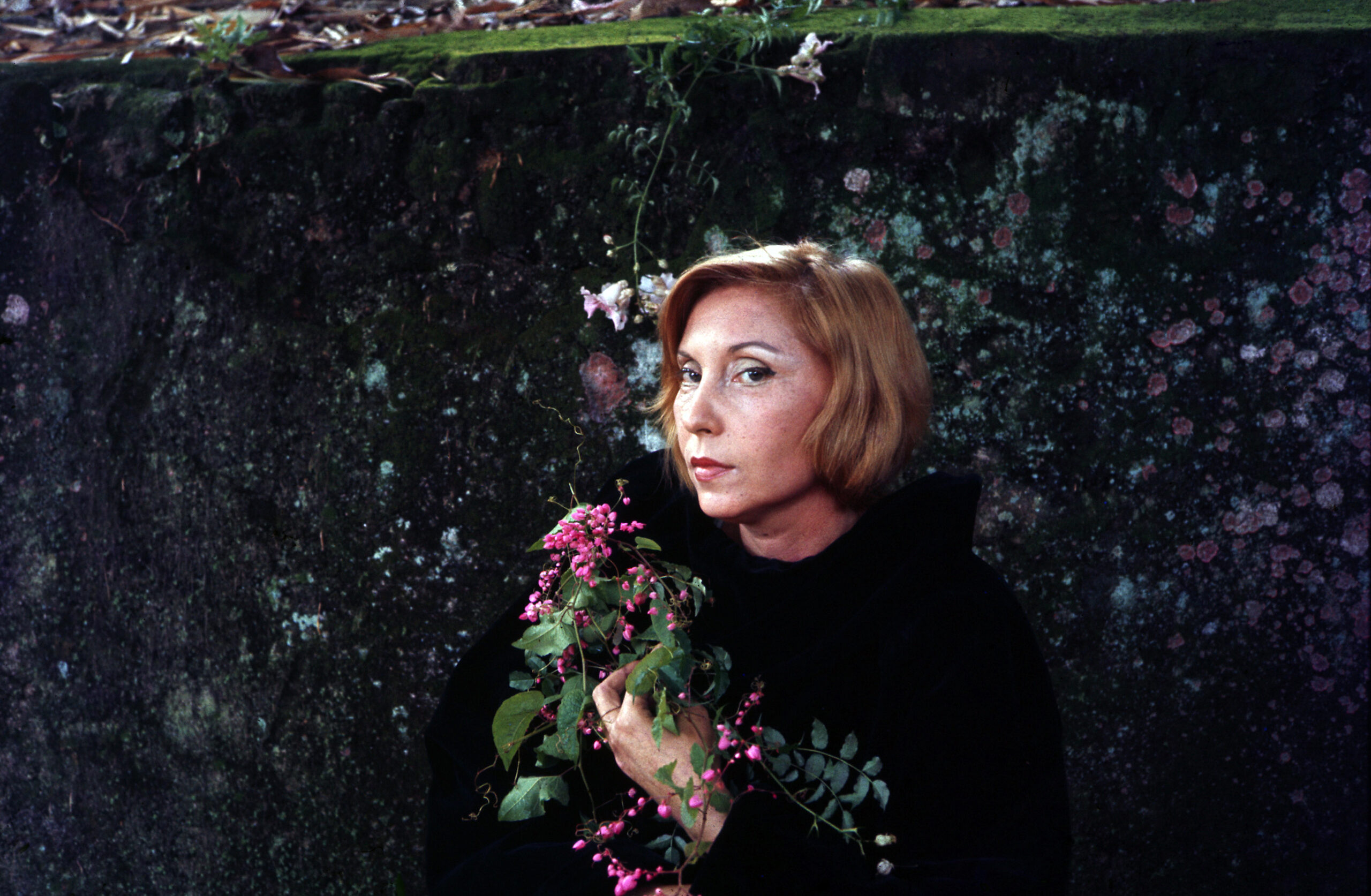
Clarice Lispector: Visions of Splendor
Acclaimed by critics and a popular phenomenon on the internet, Clarice Lispector is considered, internationally, one of the great names in 20th century literature. Mysterious, obscure, revealing, experimental, strangely mystical, or philosophical – how to define the writing of the author of The Hour of the Star? This podcast, conceived and presented by Bruno Cosentino and Eucanaã Ferraz, covers Clarice’s life and work in five episodes, in which they talk to great specialists, professors, and researchers.
Clarice’s Days in Washington
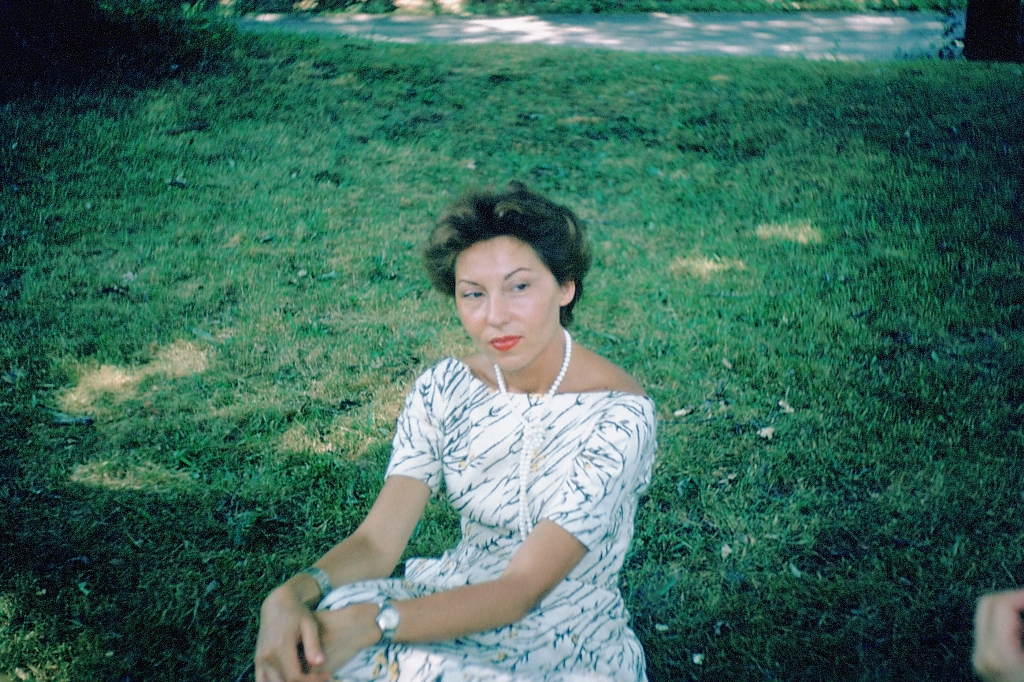
The film Clarice's Days in Washington captures a very different and decisive moment in the life and work of the writer, when she lived in the American capital with her family, between 1952 and 1959. In addition to a significant number of unpublished photographs – which record her domestic environment and interactions with friends – there are precious images filmed during a public event, in which the writer, her husband Maury Gurgel Valente, their son Paulo, in addition to friends of the couple appear.
“Me, A Witch?”
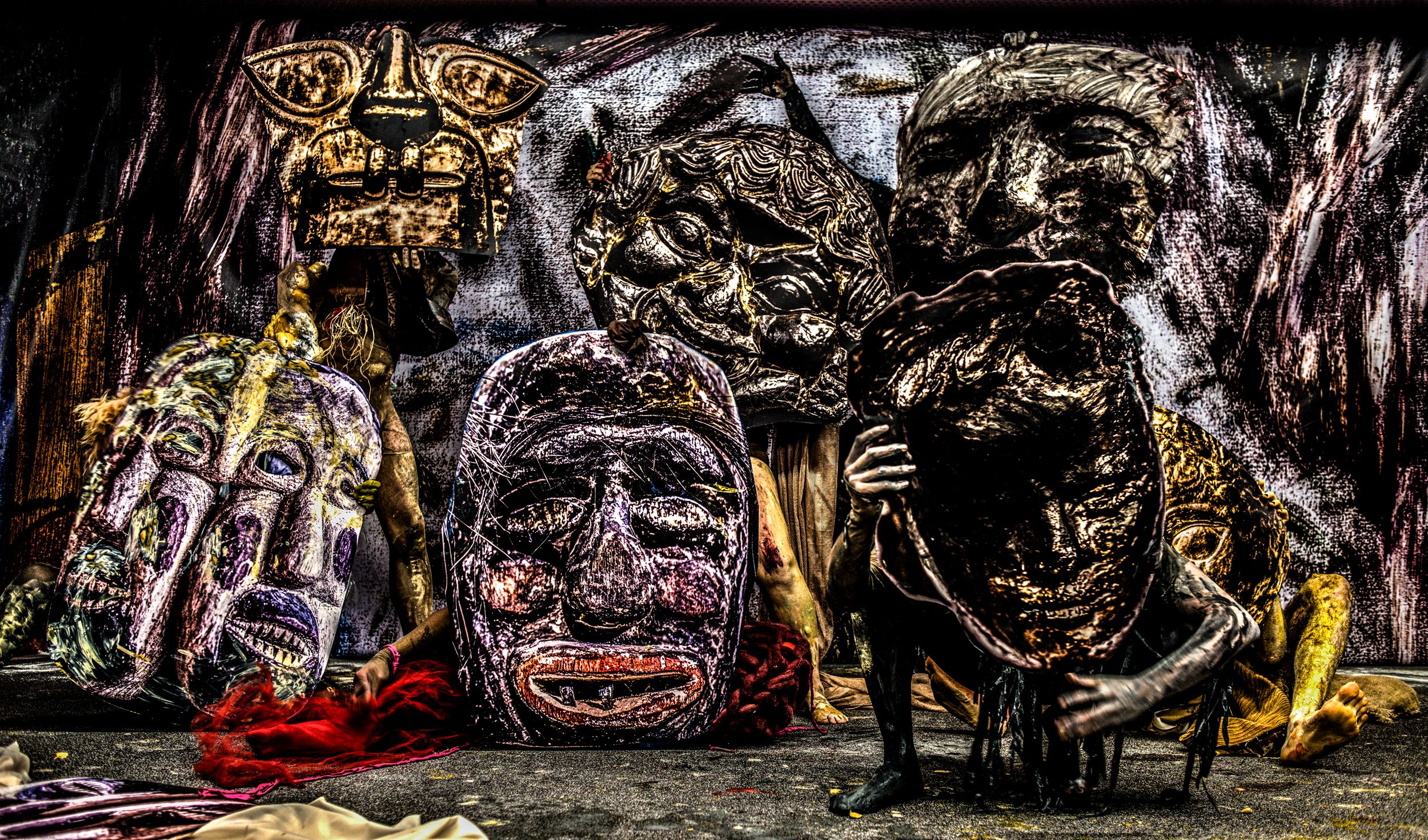
In January 1975, Clarice Lispector received an invitation letter, signed by Simón González, a Colombian businessman, politician, and mystic, inviting her to take part in the First World Congress of Witchcraft, which would be held between August 24 and 28 of that same year in Bogotá, Colombia. [...] But why was Clarice Lispector invited to the First World Congress of Witchcraft?
The Darkness in Darkness
Darkness is a hollow word and one never really knows what fits inside Its dimensions are so undetermined that perhaps it could even be said that everything fits and nothing fits in it, since, being an immense storehouse of paradoxes, the ambiguous quality of immeasurable is immediately added to the primordial void that characterizes it. These attributes, thus agreed, gain particular density when prepared by the wrought of the author of The Apple in the Dark.
The Unfamiliar
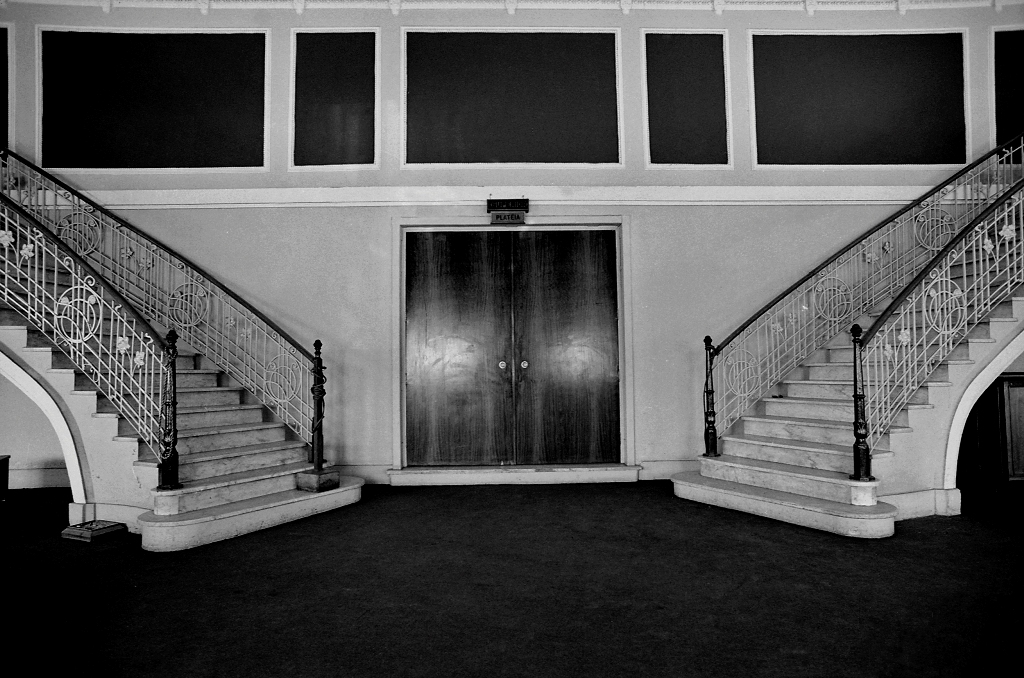
The word “unfamiliar” is used by Clarice Lispector in several of her works. To be precise, in the original Portuguese, Clarice employed the neologism infamiliar, which is not in the dictionary, though it cannot be affirmed that the author is the source of this term in Brazilian literature. Nonetheless, by mentioning the word “unfamiliar” at least sixteen times, whether in novels, short stories, or chronicles, the author makes this unique signifier an object of greater attention.
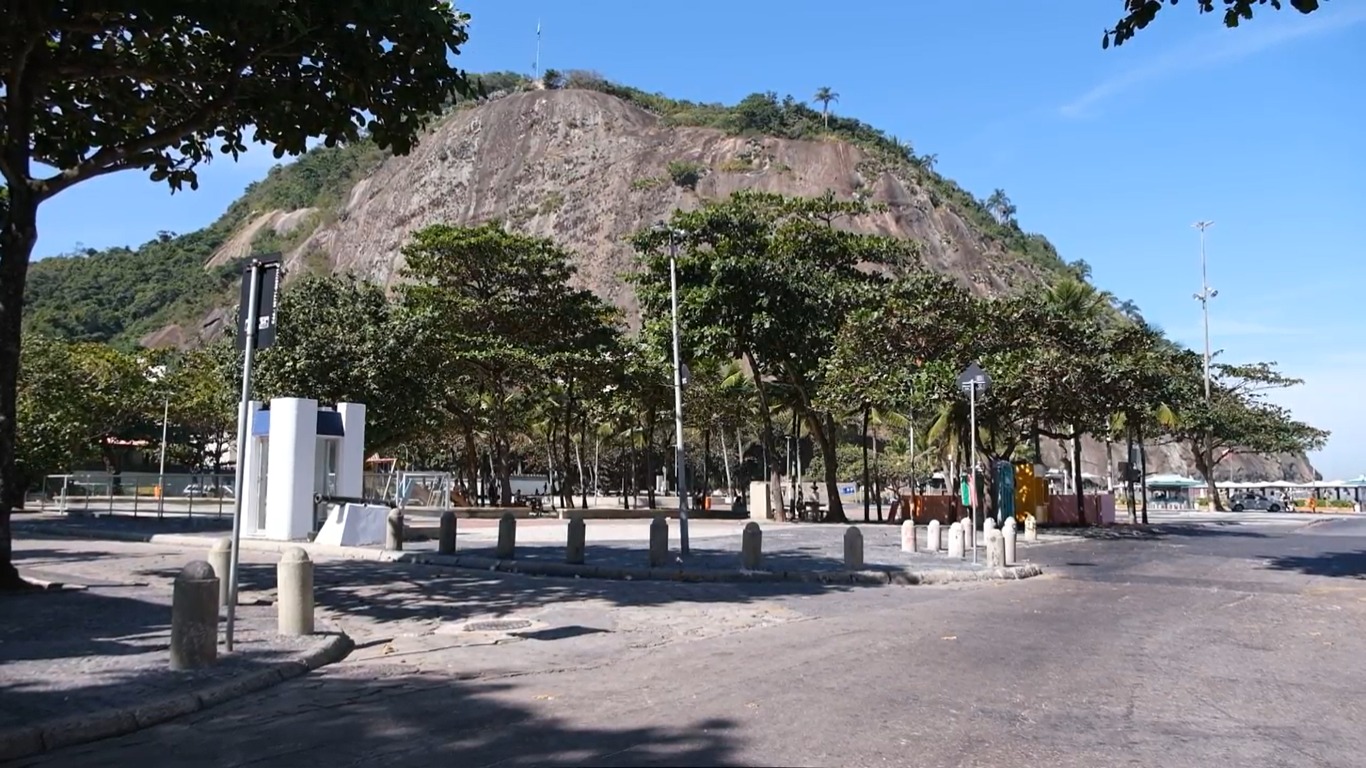
The Rio de Janeiro of Clarice Lispector
Clarice Lispector spent her childhood in Recife, but at the age of 15 she moved with her father and two sisters to Rio de Janeiro. It was in the then capital of Brazil that the writer lived her youth and early adult life: she completed high school, graduated from law school, had her first professional experiences in the press, got married, and in 1943, released her first book Near to the Wild Heart.
On a Reading, the Secret Happiness
In a small, vast, and brilliant book called Three Steps on the Ladder of Writing, by Hélène Cixous (1993), the author is taken to three schools by writers that she loves: the School of the Dead, the School of Dreams, and the School of Roots. One of the books that transport Cixous to the School of Dreams is Clarice Lispector’s second published novel, The Chandelier.
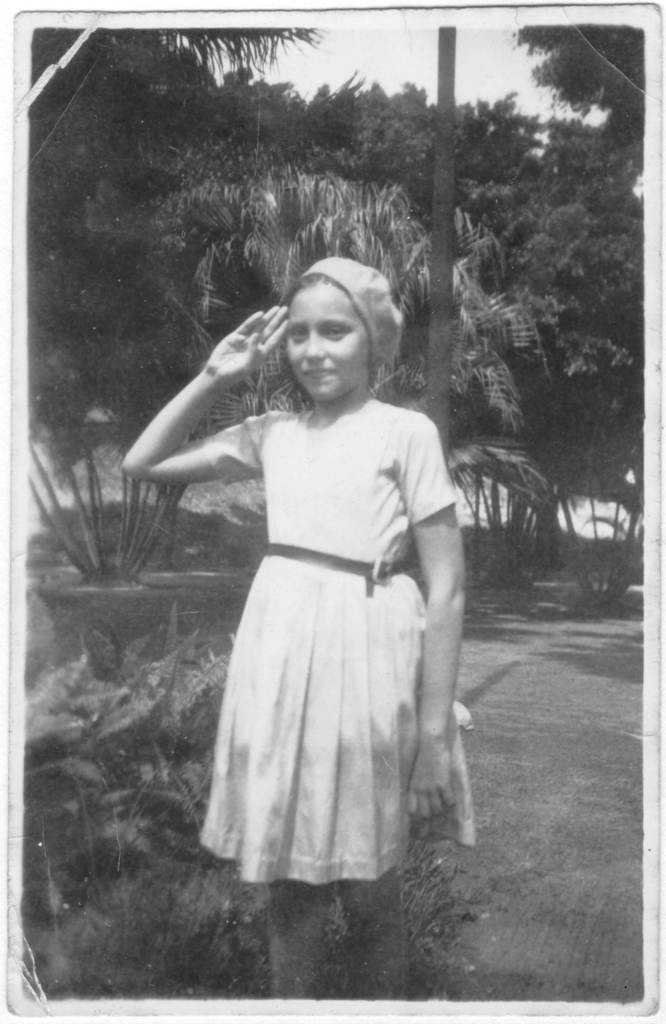
Child and Origin
More or less fantastic in their plots, these children’s stories reveal narrators who, stripped almost completely of their fictional character, are very similar to the author: they are mothers, writers, they go by the initials “C.L.,” or even say their name is Clarice. Thus, if there is a horizontal posture in these narrators in which respect for the particularities of childhood is presupposed, this same movement also shows the desire to become a little more like a child.
Ulisses Lispector: A Portrait
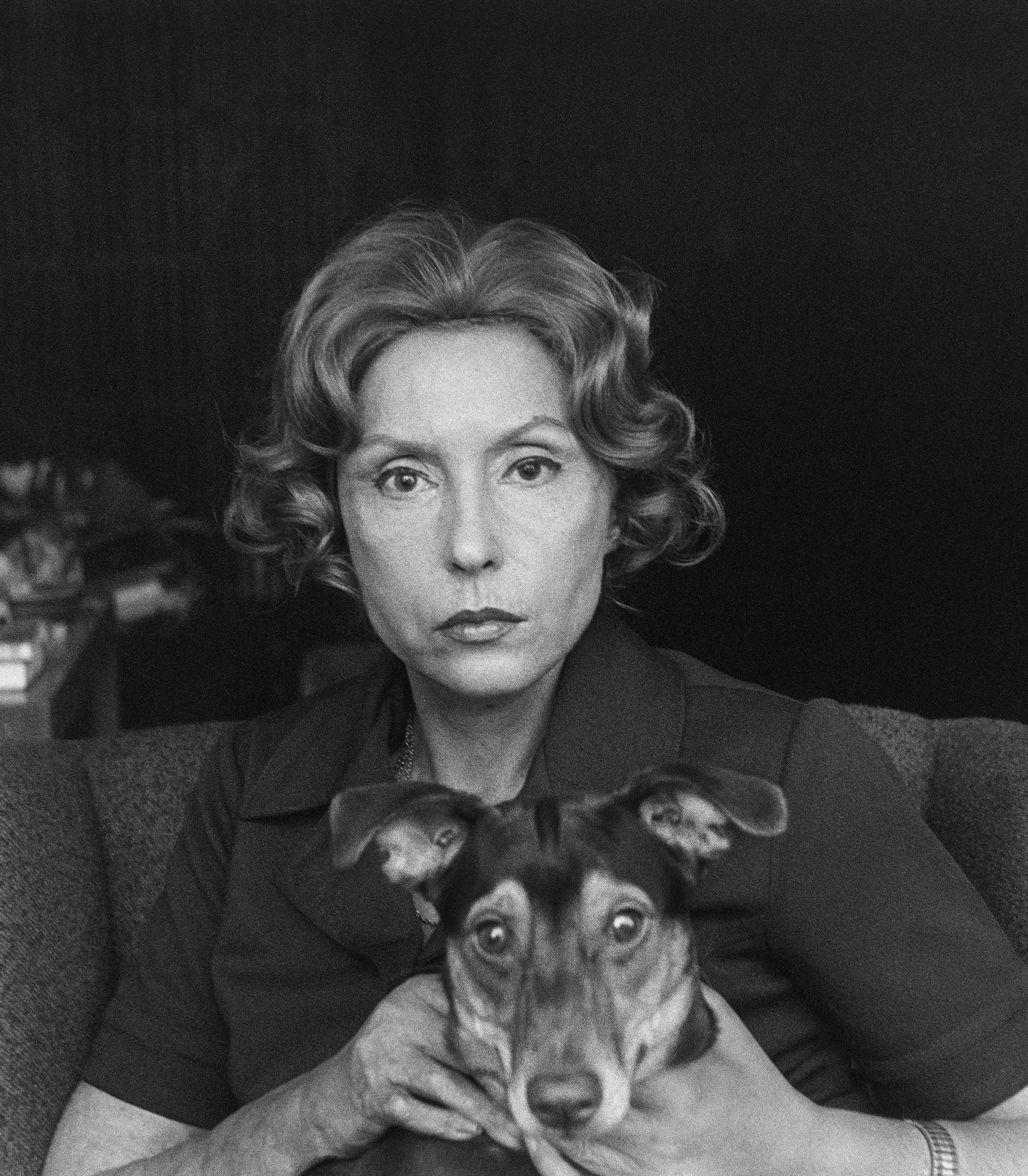
The film portrays the famous Ulisses, Clarice Lispector’s dog and a prominent character in her life and fiction. He is present in the posthumous novel A Breath of Life, he is the narrator of the children’s book Quase de verdade (Almost True), he was mentioned in countless chronicles, and today he is immortalized, alongside his owner, in a bronze statue at Leme Beach, in Rio de Janeiro.

Clarice’s Childhood
In this video lesson, Mell Brites, author of the book As Crianças de Clarice: Narrativas da Infância e Outras Revelações (The Children of Clarice: Narratives of Childhood and Other Revelations), addresses the theme of childhood in Clarice Lispector’s literature, both in her children's books and in those aimed at an adult audience.
Close to Clarice
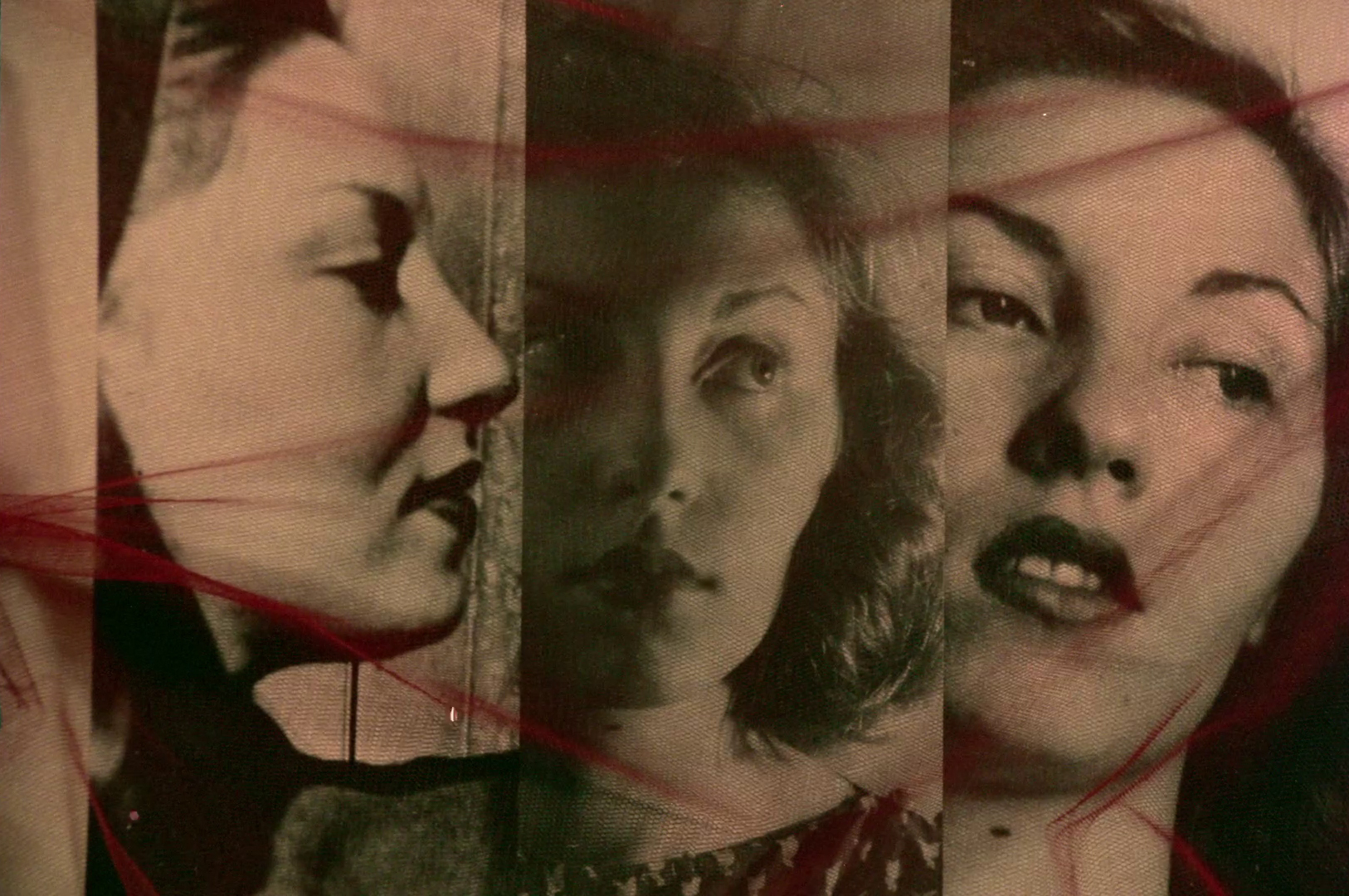
On December 10th, IMS Rio celebrates Clarice Lispector’s birthday. This year, we will present, in a single screening, the short film Perto de Clarice (Close to Clarice), by João Carlos Horta, from 1982, in a new digital version based on the 35mm original preserved by the Audiovisual Technical Center (CTAv). After the film screening, there will be a conversation between the writer Heloisa Buarque de Holanda, who was involved in the making of the film and is the director's widow, and Teresa Montero, author of the most recent biography of the writer, À procura da própria coisa (In Search of the Thing Itself – Rocco, 2021), mediated by the IMS literature consultant, the poet Eucanaã Ferraz.
Clarice in Princeton’s Network
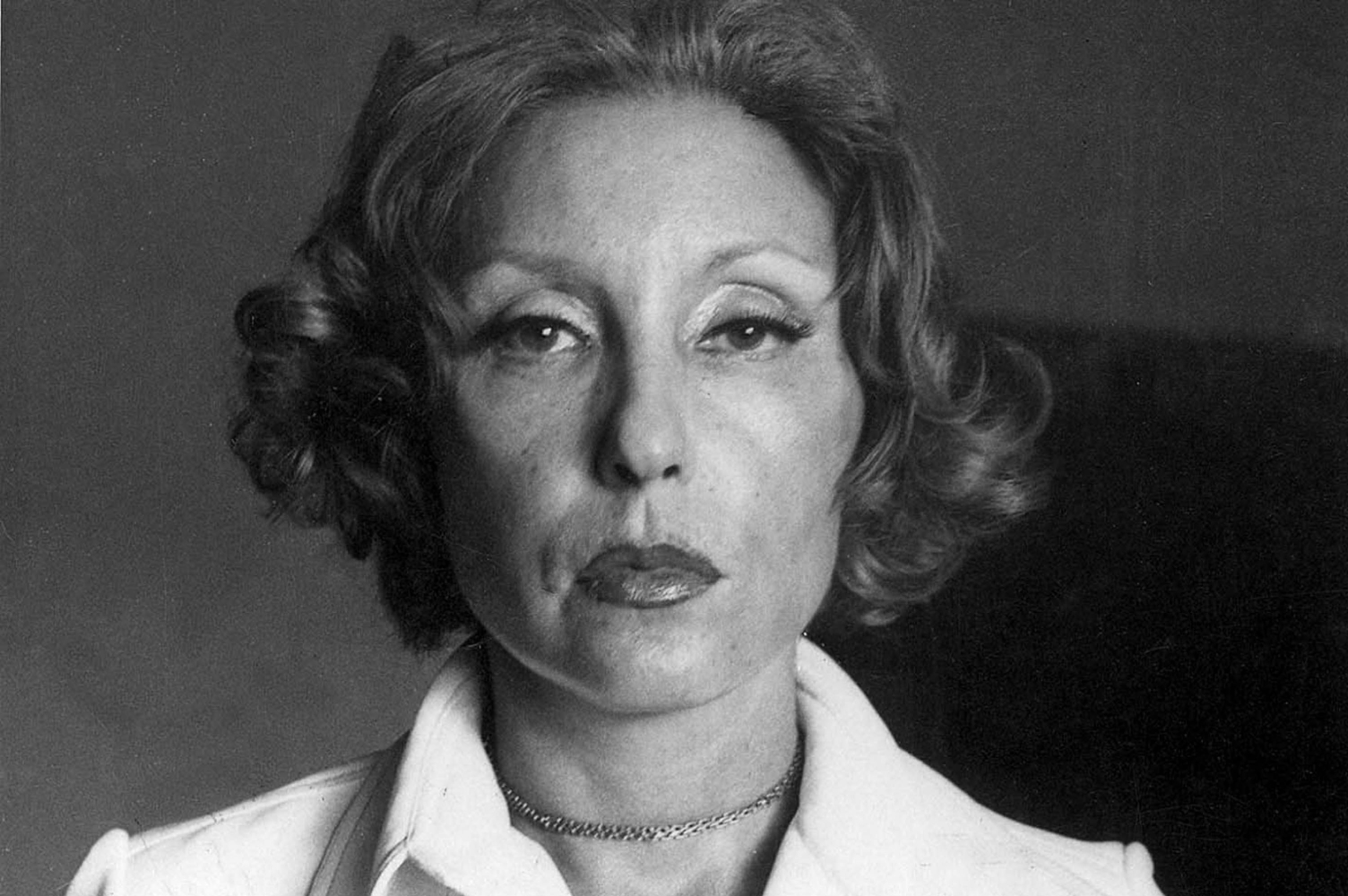
The Brazil LAB is an interdisciplinary initiative at Princeton University that considers Brazil to be a crucial nexus for us to understand today’s most pressing issues. Based at PIIRS (Princeton Institute of International and Regional Studies), the LAB brings together professors, researchers, and students from more than 20 different university departments (from the social to the natural sciences, from engineering to the arts and humanities) in interaction with dozens of researchers from academic institutions of excellence.
A Chronicle of a Patrimony that Needs To Be Preserved
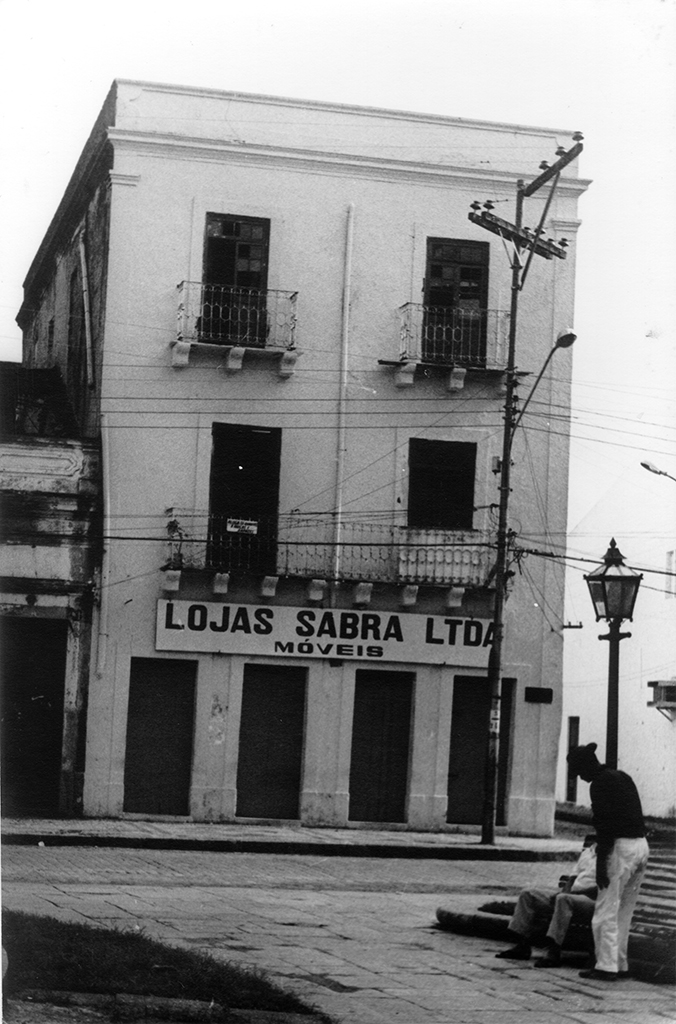
I died. I found out when, one day, on the sidewalk of Praça Maciel Pinheiro, I lifted my head, opened my eyes, and saw myself dead, there on the plaza’s sidewalk, the two-story house on the other side of the street. My broken heart inside my chest, the two-story house on Rua do Aragão, 387, where, on the second floor, Clarice Lispector lived a happy childhood here in Recife, despite the pains of the world and experiencing and feeling, mainly, the pains of an implacable disease that would one day take Mania, her mother, away from her. I found out when, laid out on the sidewalk there under the scorching Sunday sun, I turned my head to the right and saw a man beside me, who was also looking at the house.

In Search of Clarice Lispector: The Biographical Challenge of Teresa Montero
In addition to confirming the value of the biographical genre as a privileged means to meet the demands of a curious public about the past of famous personalities, Teresa Montero challenges the genre’s conventions by reconstructing the family life, personal experiences, friendships, and creative process of Clarice Lispector, an author who, with all her strengths, gave life to her vocation for literature as a fatality and a salvation.

Olímpico: The Last Man Will Be the First
[...] throughout all of Clarice’s work there is a dazzling – almost primordial, inaugural, Edenic – vision of gender, of the man-woman division. One notes a frightened fascination that there is a male-animal-man in the world, as we read, for example, in the short story “The Buffalo,” and also in another story about phantasmic and monstrous masculinity titled “The Dinner”.
Clarice Lispector’s New Website Receives an Award
Last December, Clarice Lispector’s new website, launched on the author’s centenary, on December 10, 2020, earned second place in the Best Digital Design category of the Brasil Design Award.