, “The Chandelier” is published in English. IMS Clarice Lispector, 2018. Disponível em: https://site.claricelispector.ims.com.br/en/2018/04/05/o-lustre-e-publicado-em-ingles/. Acesso em: 27 April 2026.
The Chandelier, Clarice Lispector’s second novel, published in 1946, was just translated into English by Benjamin Moser and Magdalena Edwards. The book is another of a series of translations of the author’s works that have been published in the past few years. In a statement to The New York Times, Moser observes that this may be the strangest and hardest book by the Brazilian writer (who was born in Ukraine in 1920). The British critic Christopher Ricks, for his part, sees it as a miniature of Clarice’s universe:
So many of the themes, philosophical inquiries and character types that appear [in The Chandelier] will return, honed as Lispector refines her style and hardens them into the diamond like perfection of her final books, which are narrated in jagged aphorisms – ‘anti literature’ she called them.
The American newspaper furthermore celebrates the rediscovery of Clarice in the United States as one of the true literary events of the 21st century, highlighting the singularity of her writing, which is marked by a unique punctuation and syntax, in addition to a capacity to resignify words according to her own wishes – “No one sounds like Lispector (…). No one thinks like her,” the journalist Parul Sehgal concludes.
A few days after the American newspaper featured The Chandelier, the editor Gregory Cowles included the book on the list of ten reading suggestions that he made for the prestigious Book Review column.
Read The New York Times article here.
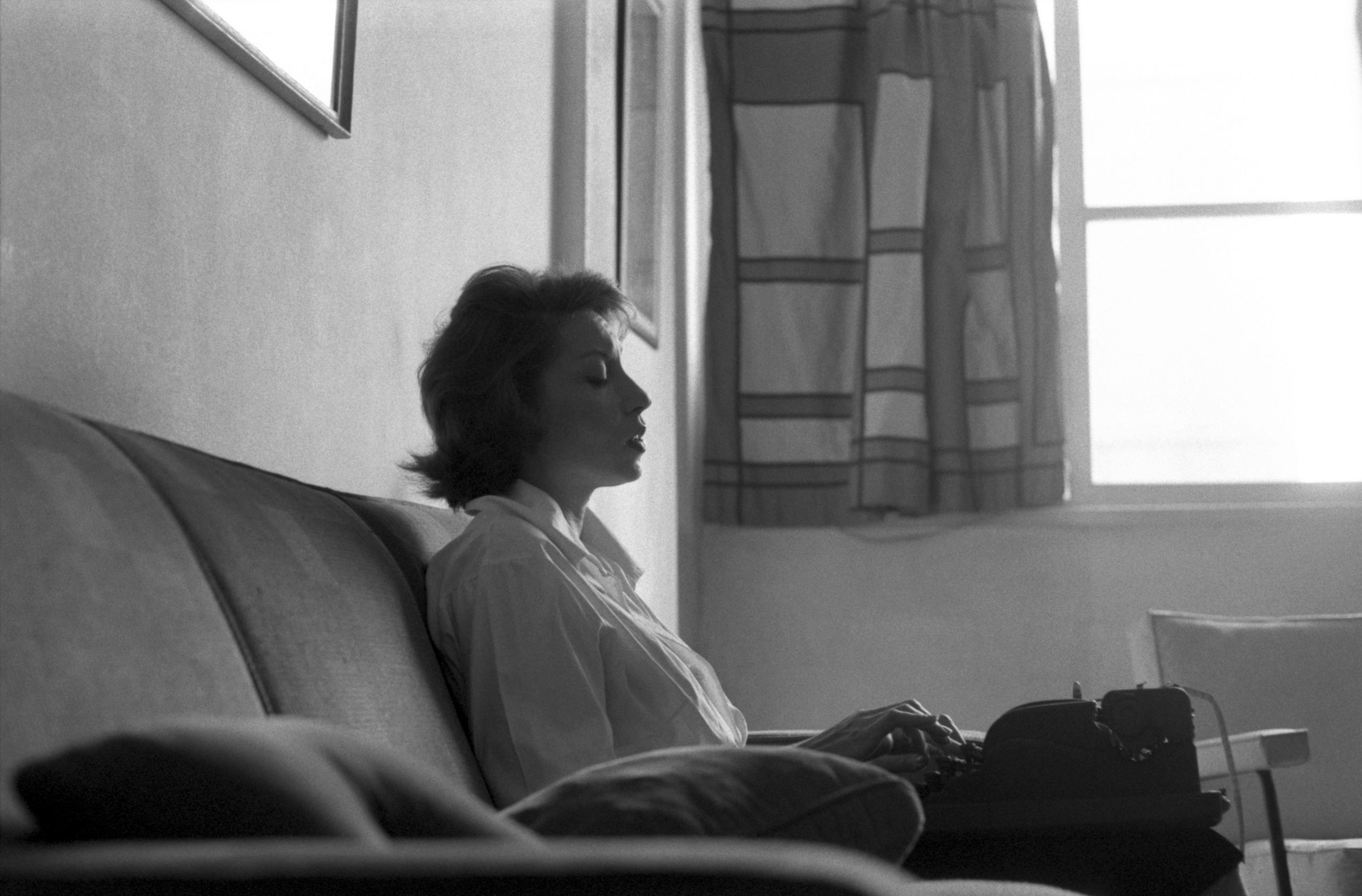
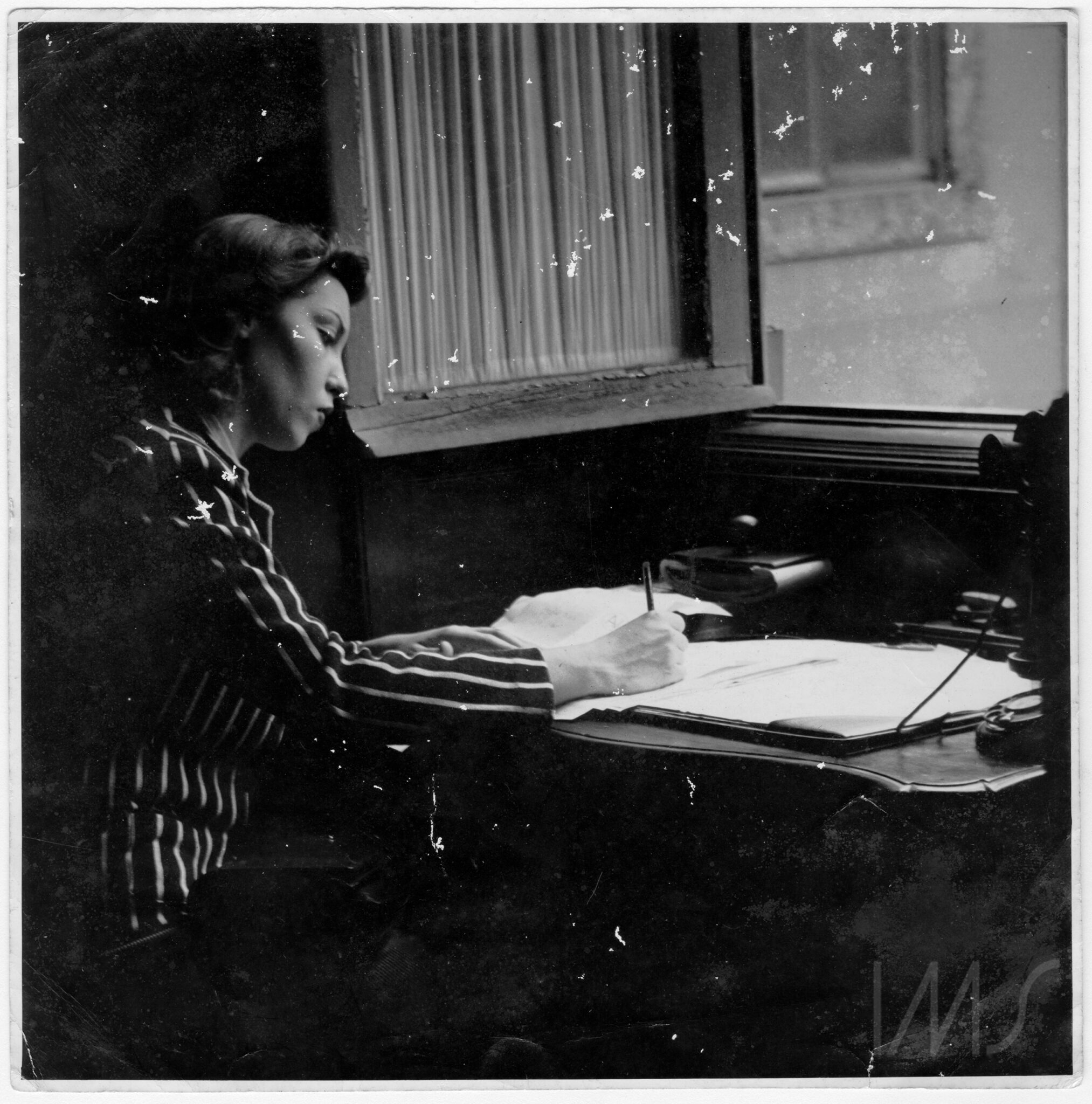
*Photo: Unidentified photographer/ Clarice Lispector Collection/ IMS
See also
by Marina Colasanti
The day I met Clarice was not the same day she met me. I was all adoration, observing her. She had no reason to even lay eyes on me. Leaving the Jornal do Brasil newsroom together, the journalist Yllen Kerr, a great friend of mine, said he was going to visit Clarice and asked if I wanted to go. Did I ever!
by Equipe IMS
The Brazil LAB is an interdisciplinary initiative at Princeton University that considers Brazil to be a crucial nexus for us to understand today’s most pressing issues. Based at PIIRS (Princeton Institute of International and Regional Studies), the LAB brings together professors, researchers, and students from more than 20 different university departments (from the social to the natural sciences, from engineering to the arts and humanities) in interaction with dozens of researchers from academic institutions of excellence.
by Elizama Almeida
In partnership with the Department of Humanities at Columbia University, the IMS presents the international seminar The Clarice Factor: Aesthetics, Gender, and Diaspora in Brazil.
by Yudith Rosenbaum
The word “unfamiliar” is used by Clarice Lispector in several of her works. To be precise, in the original Portuguese, Clarice employed the neologism infamiliar, which is not in the dictionary, though it cannot be affirmed that the author is the source of this term in Brazilian literature. Nonetheless, by mentioning the word “unfamiliar” at least sixteen times, whether in novels, short stories, or chronicles, the author makes this unique signifier an object of greater attention.
by Victor Heringer
Organized by Professor Claire Williams, the conference After Clarice: Lispector’s Legacy will gather the greatest experts of Clarice's work.
by Mariana Valente
Starting next May, the shelves of Brazilian bookstores will display copies of A mulher que matou os peixes (The Woman Who Killed the Fish) with a new look.