

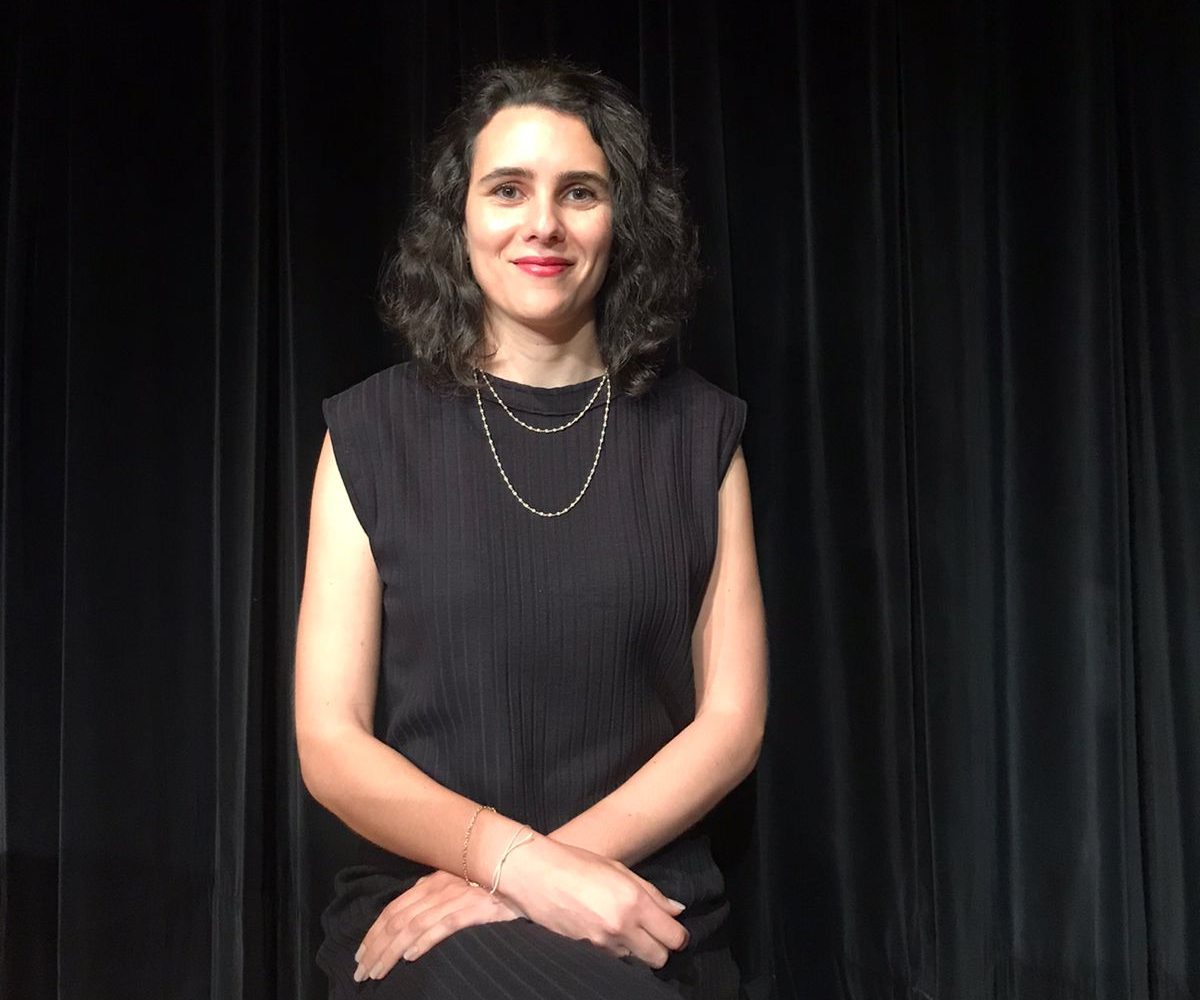
In this video lesson, Mell Brites, author of the book As Crianças de Clarice: Narrativas da Infância e Outras Revelações (The Children of Clarice: Narratives of Childhood and Other Revelations), addresses the theme of childhood in Clarice Lispector’s literature, both in her children’s books and in those aimed at an adult audience.
Clarice’s Childhood
Footnotes
See also
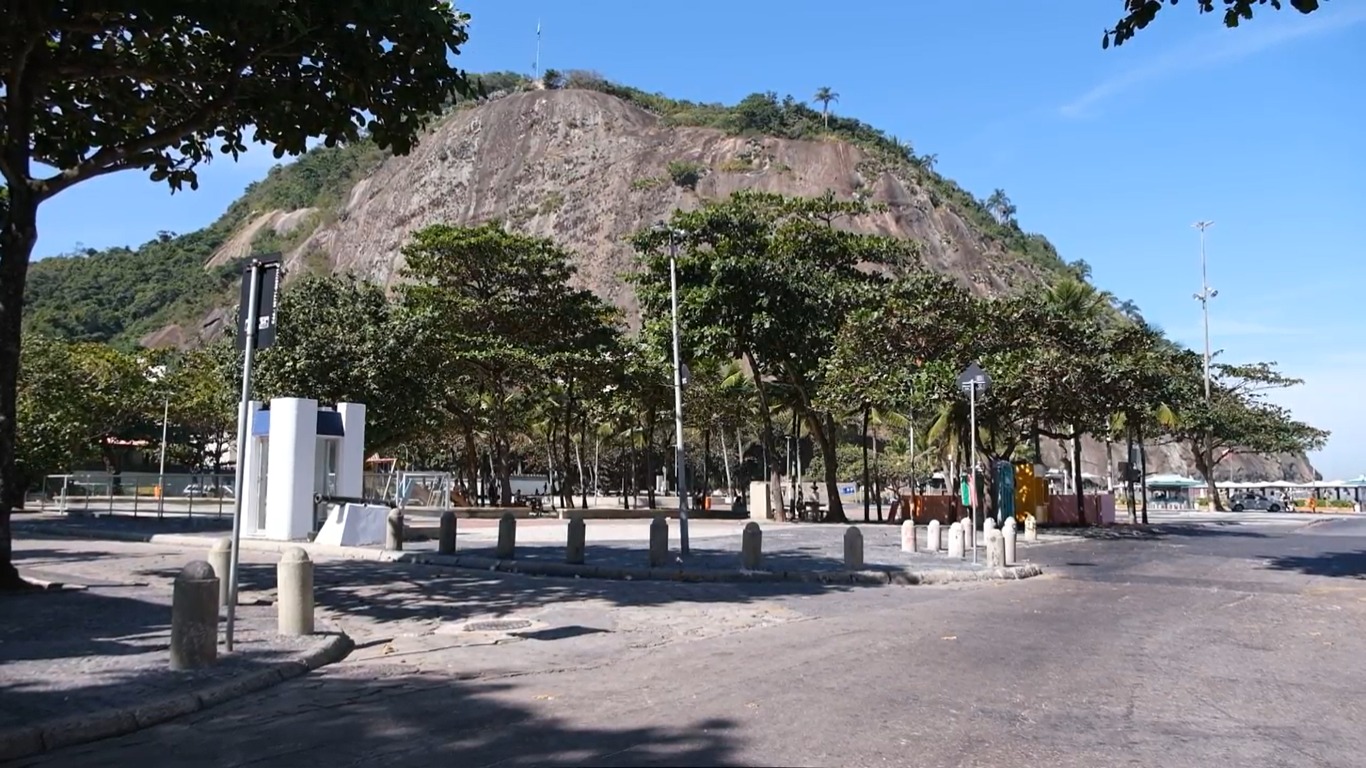
The Rio de Janeiro of Clarice Lispector
Clarice Lispector spent her childhood in Recife, but at the age of 15 she moved with her father and two sisters to Rio de Janeiro. It was in the then capital of Brazil that the writer lived her youth and early adult life: she completed high school, graduated from law school, had her first professional experiences in the press, got married, and in 1943, released her first book Near to the Wild Heart.
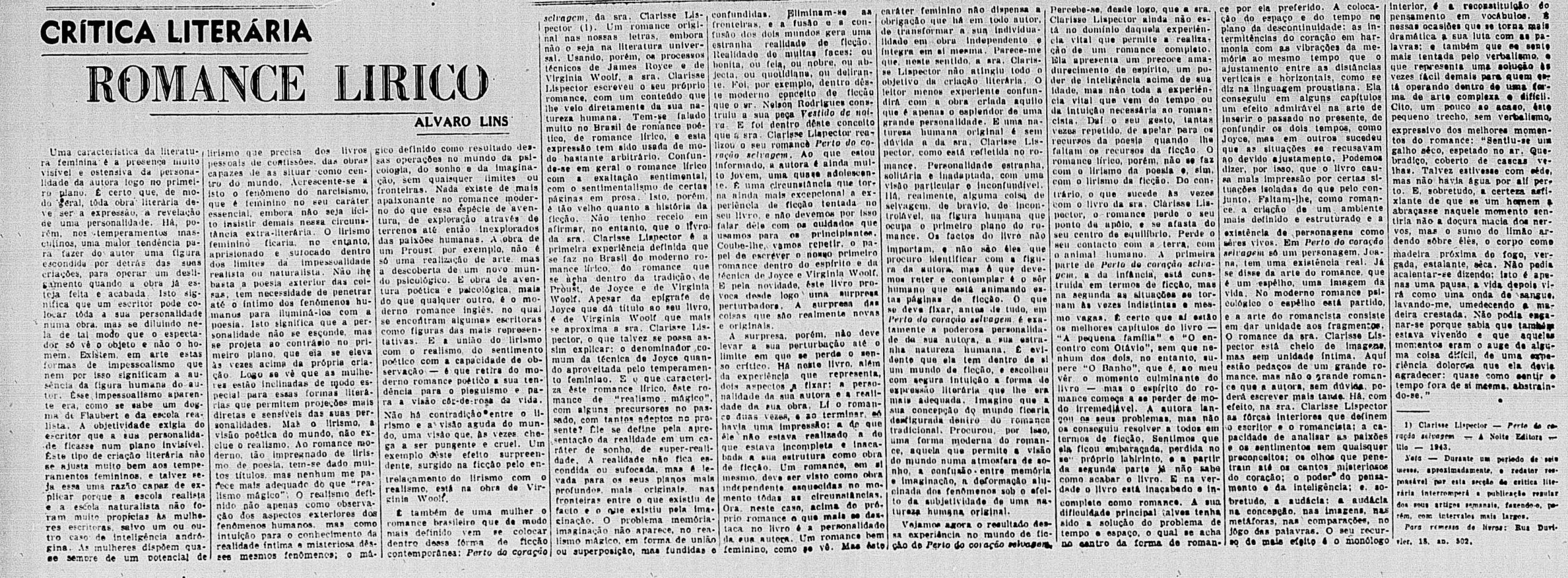
A Wild Review of Near to the Wild Heart
It’s the end of 1943. A publishing house of little cultural relevance, A Noite, releases the exceptional Near to the Wild Heart, a book by a 22-year-old author and former employee of the publisher.
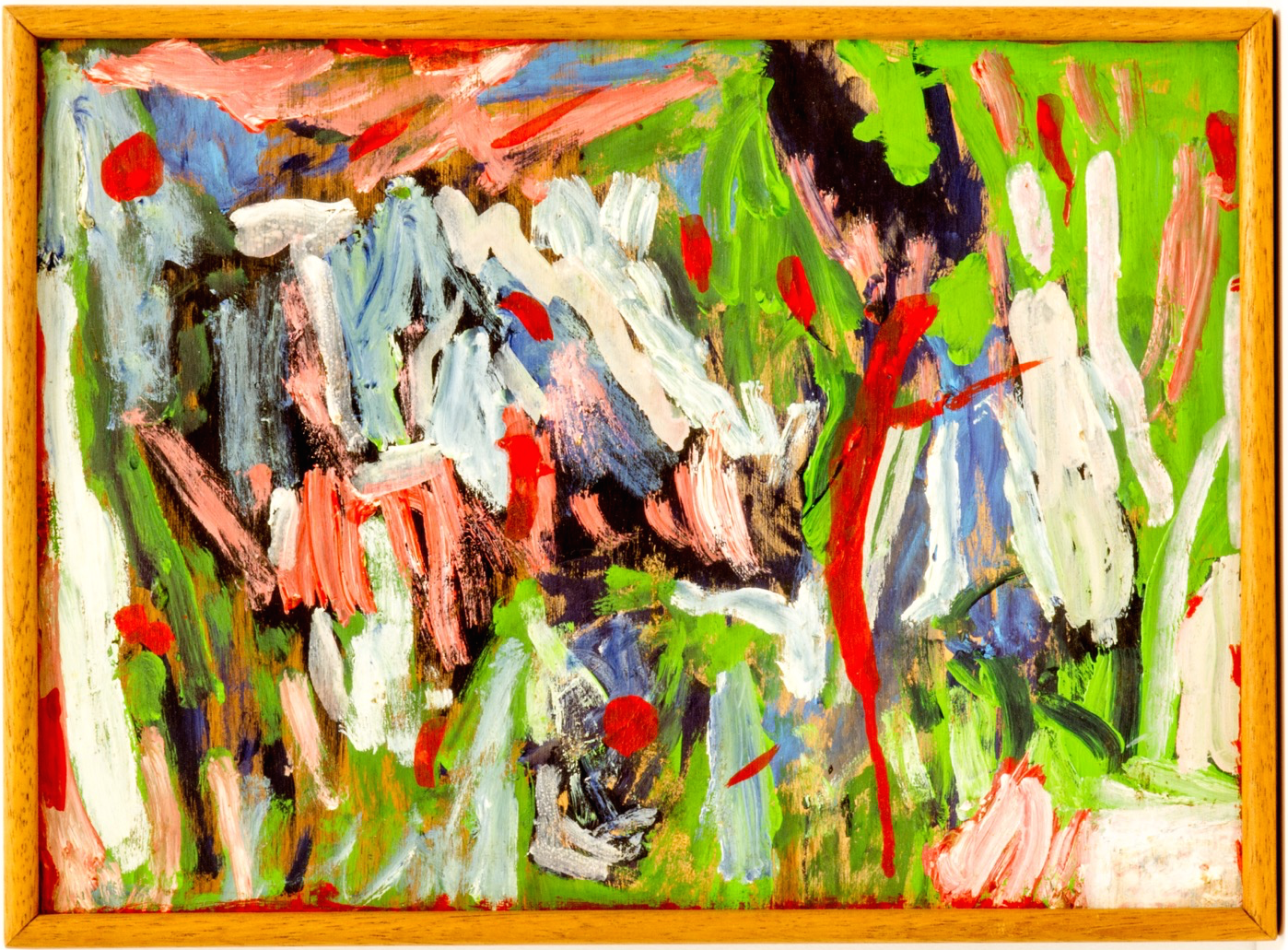
“I’d Like To Write like a Painter”
Among the items that make up the Clarice Lispector Collection, which has been at the IMS since 2004, are two paintings by the author.

Olímpico: The Last Man Will Be the First
[...] throughout all of Clarice’s work there is a dazzling – almost primordial, inaugural, Edenic – vision of gender, of the man-woman division. One notes a frightened fascination that there is a male-animal-man in the world, as we read, for example, in the short story “The Buffalo,” and also in another story about phantasmic and monstrous masculinity titled “The Dinner”.
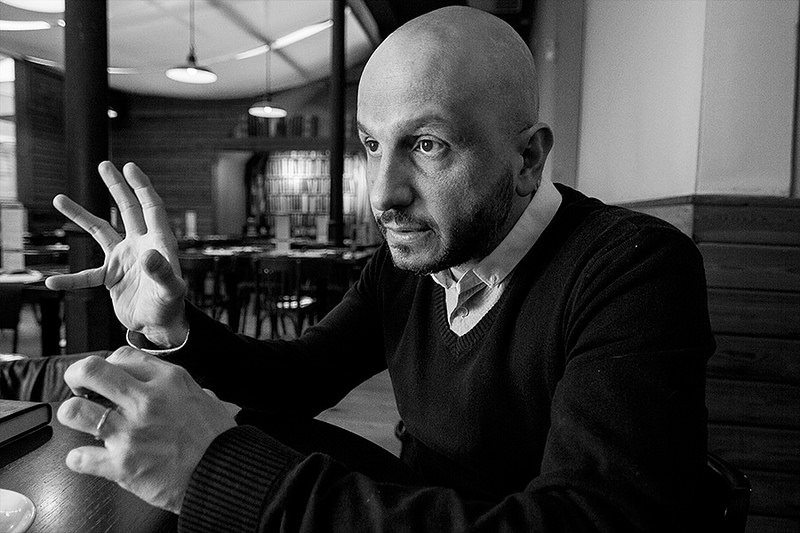
Clarice Lispector by Jorge Carrión
The Spanish writer and critic Jorge Carrión recently published, in The New York Times, an essay about the life and work of Clarice Lispector.
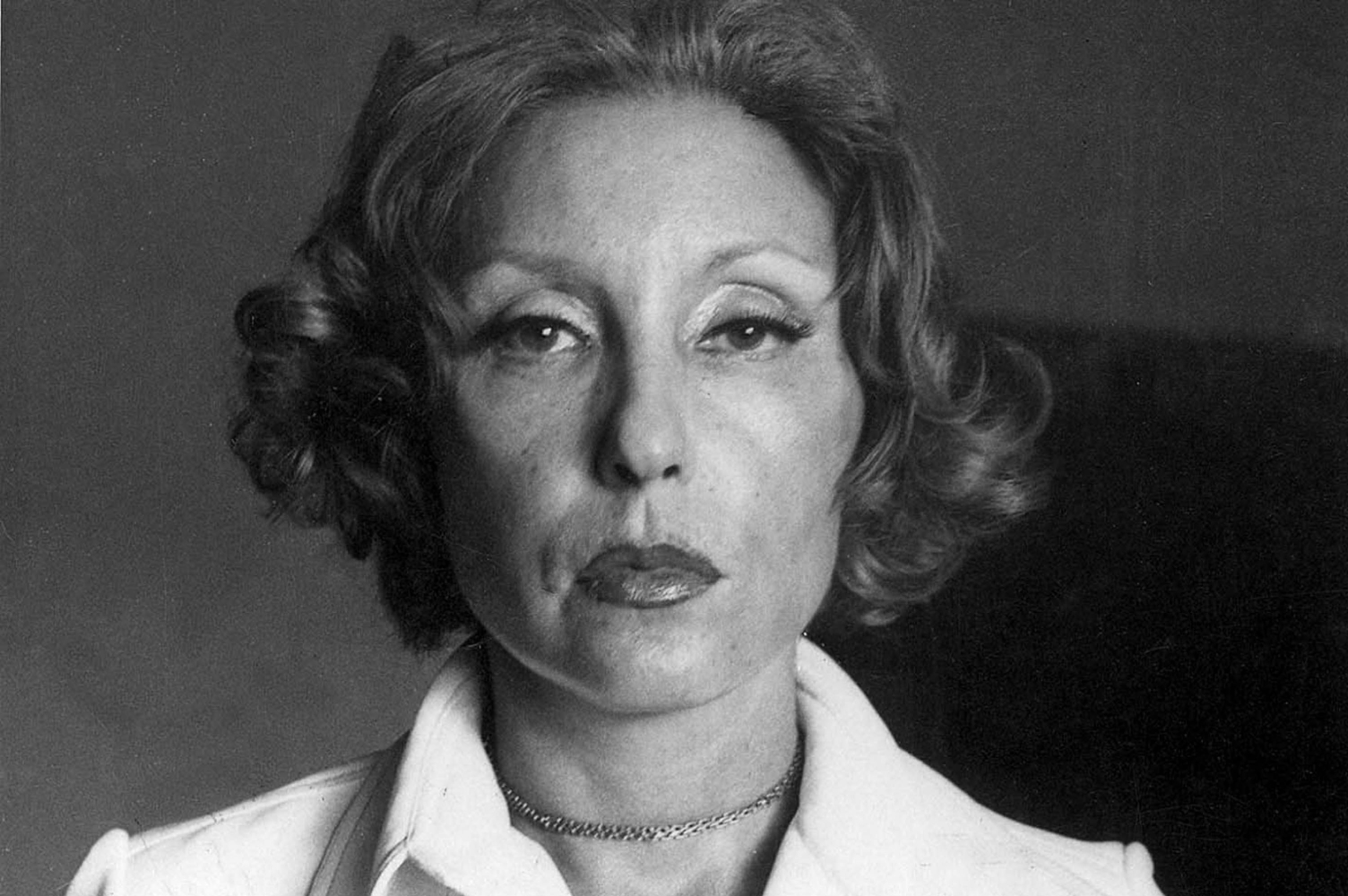
Clarice in Princeton’s Network
The Brazil LAB is an interdisciplinary initiative at Princeton University that considers Brazil to be a crucial nexus for us to understand today’s most pressing issues. Based at PIIRS (Princeton Institute of International and Regional Studies), the LAB brings together professors, researchers, and students from more than 20 different university departments (from the social to the natural sciences, from engineering to the arts and humanities) in interaction with dozens of researchers from academic institutions of excellence.