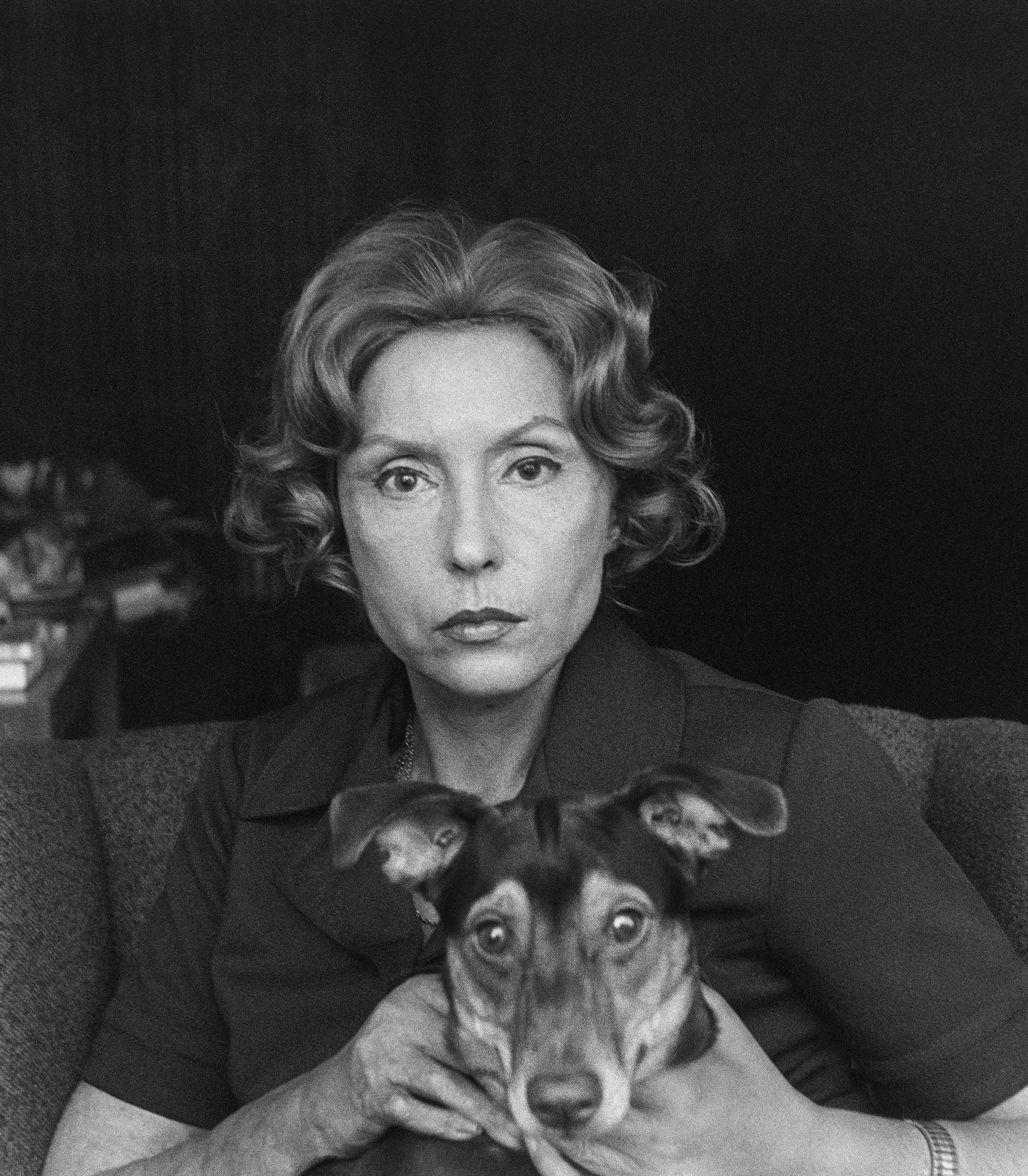
The film portrays the famous Ulisses, Clarice Lispector’s dog and a prominent character in her life and fiction.
He is present in the posthumous novel A Breath of Life, he is the narrator of the children’s book Quase de verdade (Almost True), he was mentioned in countless chronicles, and today he is immortalized, alongside his owner, in a bronze statue at Leme Beach, in Rio de Janeiro.
Ulisses was also photographed smoking cigarette butts during Clarice’s interview with the weekly O Pasquim, whose behind-the-scenes is told in detail by the editor Sérgio Augusto, who at the time participated in the meeting, which took place at the writer’s apartment.
About the main character, other themes are also addressed, such as Clarice’s intimate relationship with the irrational nature of animals and autofictional writing, as well as an analysis by the writer Evando Nascimento of the short story “The Crime of the Mathematics Teacher.”
See also
 by Elizama Almeida
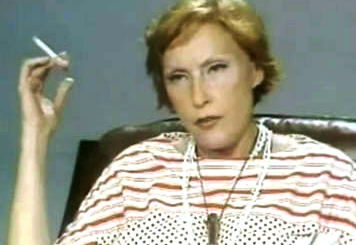
In February of 1977, Clarice visited the studios of TV Cultura and accepted the invitation to be interviewed by the journalist Júlio Lerner, host of the program “Panorama Especial”
 by Victor Heringer
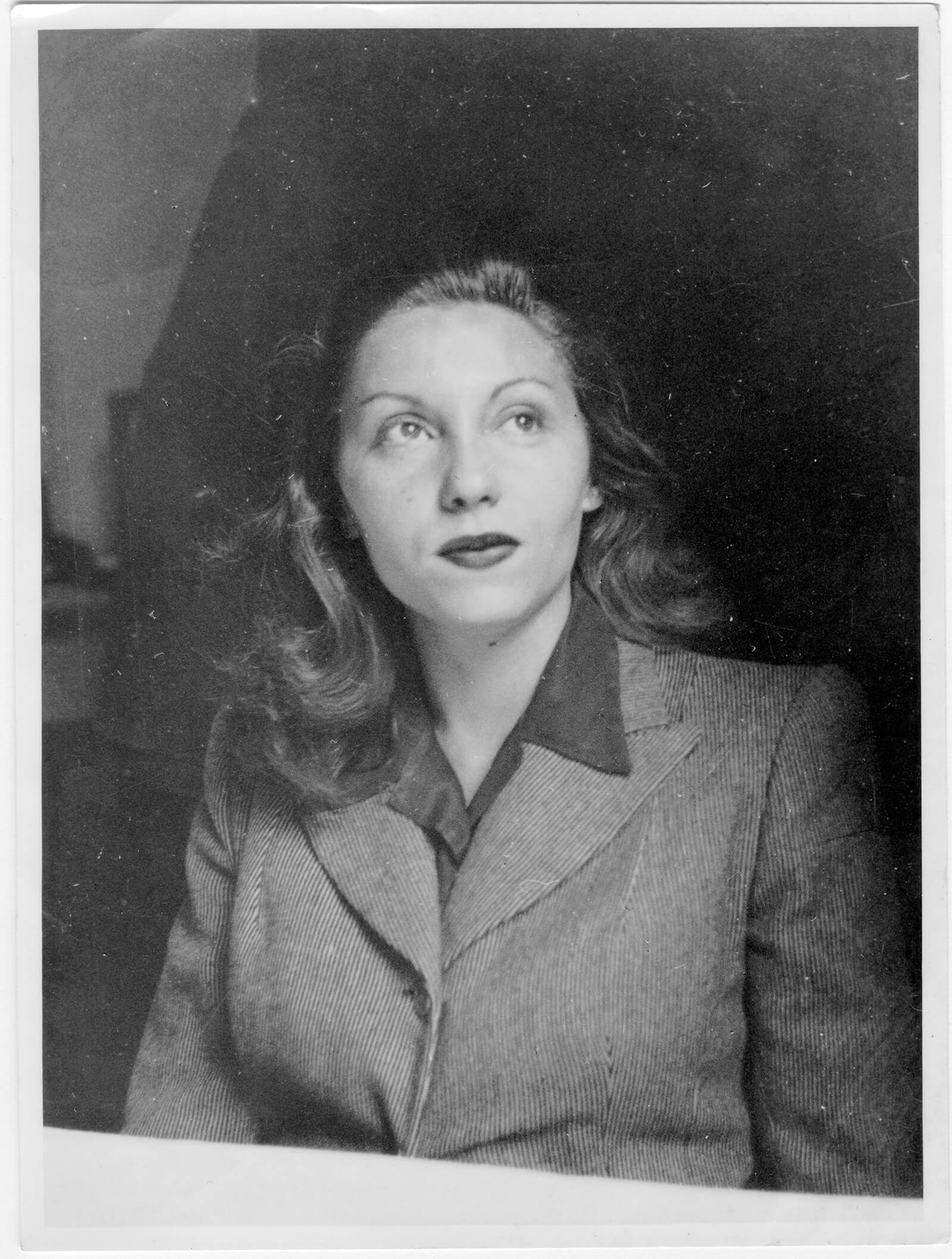
The year 2017 marked the 40th anniversary of The Hour of the Star, the last book written by Clarice Lispector, which was published in the year of her death.
 by Matildes Demetrio dos Santos
In addition to confirming the value of the biographical genre as a privileged means to meet the demands of a curious public about the past of famous personalities, Teresa Montero challenges the genre’s conventions by reconstructing the family life, personal experiences, friendships, and creative process of Clarice Lispector, an author who, with all her strengths, gave life to her vocation for literature as a fatality and a salvation.
 by Elizama Almeida
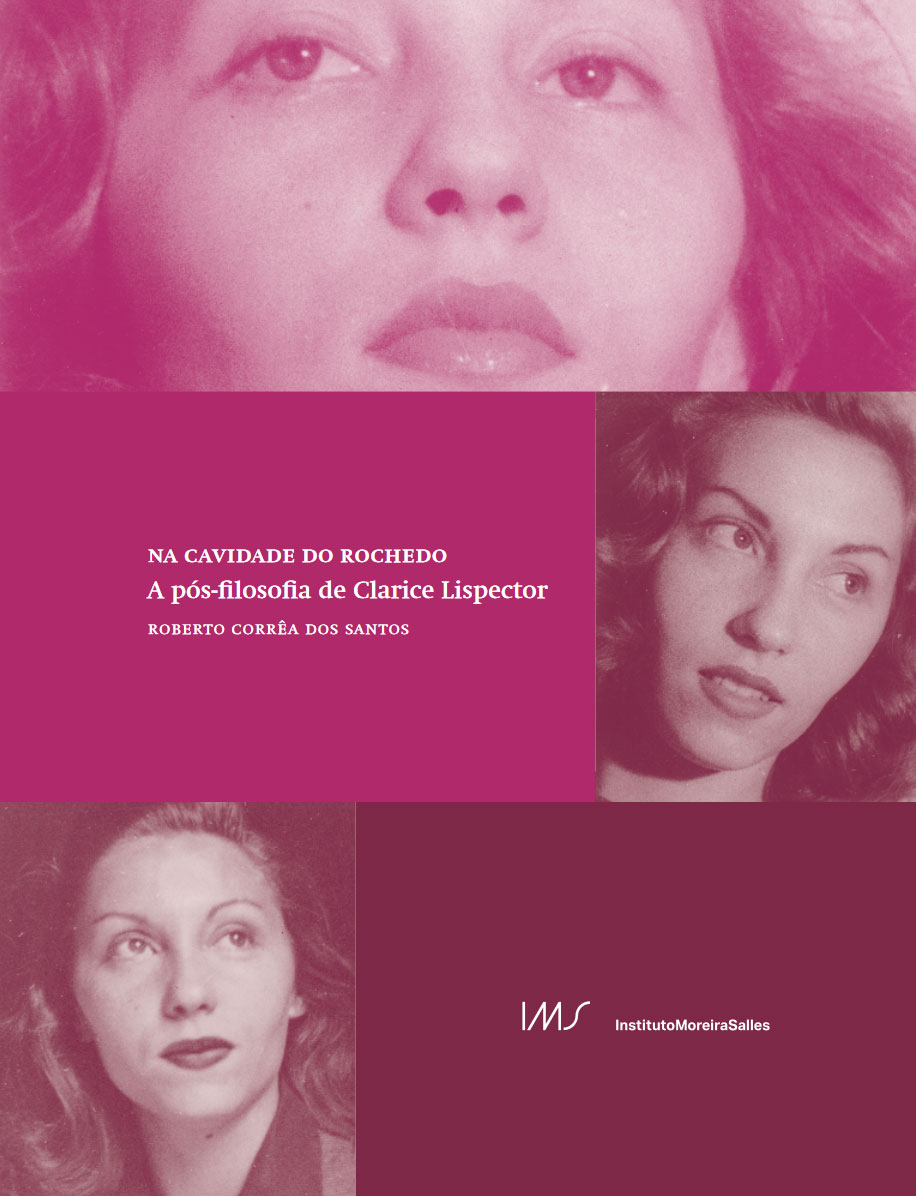
Na cavidade do rochedo: a pós-filosofia de Clarice Lispector (In the Cavity of the Rock: The Post-Philosophy of Clarice Lispector) is a study published exclusively in electronic format and available for download here.
 by Elizama Almeida
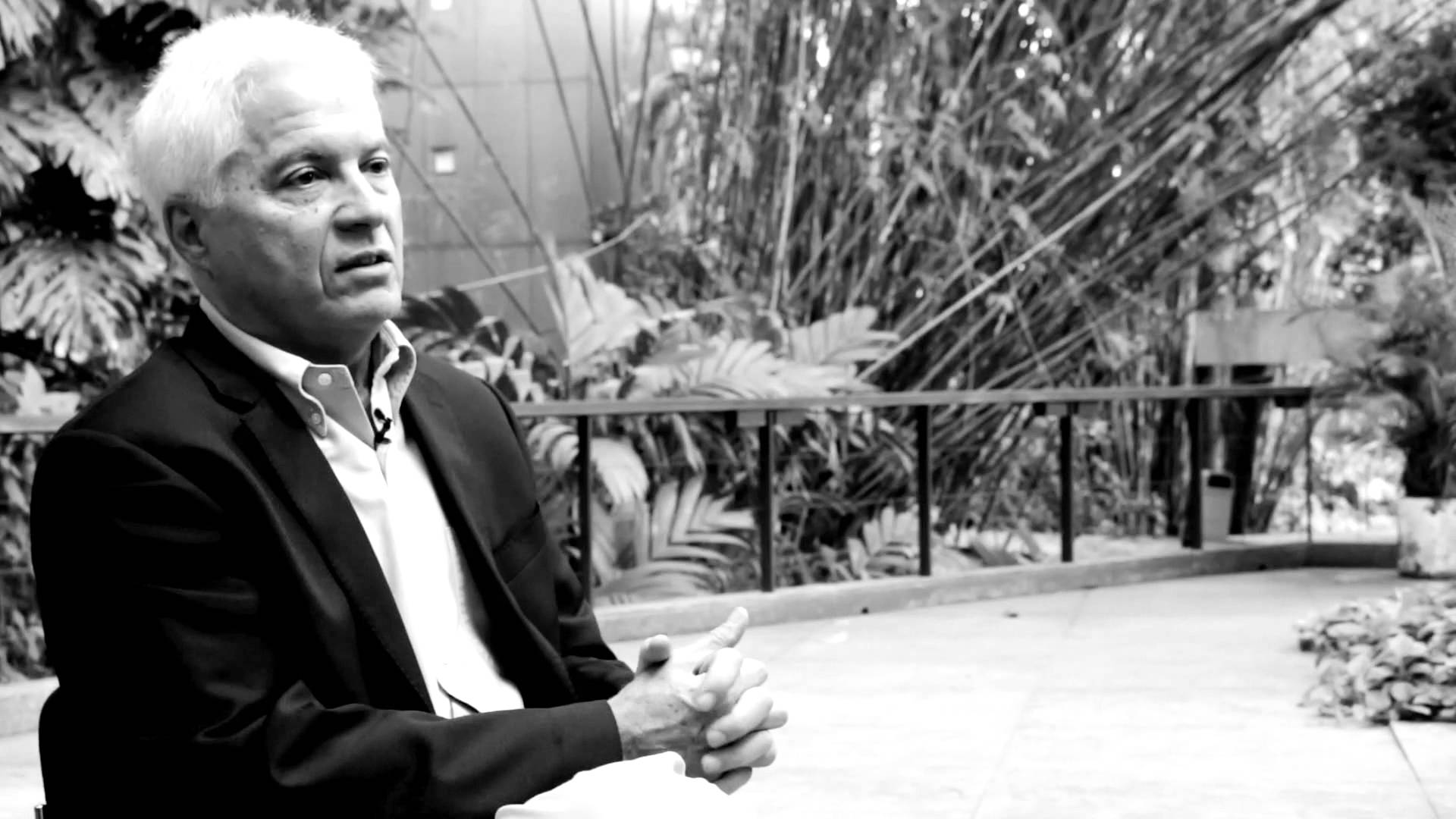
Paulo Gurgel Valente, Clarice's son, spoke with Eucanaã Ferraz and Elizama Almeida and recalls, for example, the personalities who frequented his home.
 by Equipe IMS
In this video lesson, Mell Brites, author of the book As Crianças de Clarice: Narrativas da Infância e Outras Revelações (The Children of Clarice: Narratives of Childhood and Other Revelations), addresses the theme of childhood in Clarice Lispector’s literature, both in her children's books and in those aimed at an adult audience.