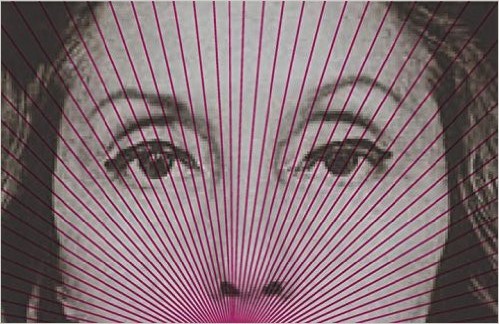
, The New York Times Book Review. IMS Clarice Lispector, 2015. Disponível em: https://site.claricelispector.ims.com.br/en/2015/12/01/entre-os-100-melhores-da-the-new-yorker-book-review/. Acesso em: 26 March 2026.
The year’s season of retrospectives is now open, and one of the most respected in the literary circuit – the traditional list of 100 Notable Books of 2015, selected by the editors of The New York Times Book Review – has included among the highlights for Fiction and Poetry the title The Complete Stories, a volume of short stories by Clarice Lispector edited by Benjamin Moser and published by the New York publishing house New Directions. The book is expected to be released in Portuguese in 2016 by Rocco.
Katrina Dodson, translator of the more than 80 stories in Complete Stories, spoke with the IMS Blog about her relation with Lispector’s literature, the difficulties she encountered in translating her work, and comparisons with writers such as Kafka, Machado de Assis, and Virginia Woolf.
See also
 by Elizama Almeida
It’s the end of 1943. A publishing house of little cultural relevance, A Noite, releases the exceptional Near to the Wild Heart, a book by a 22-year-old author and former employee of the publisher.
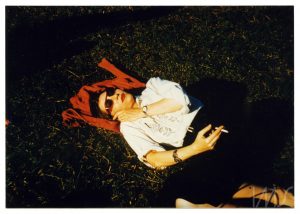 by Lilian Hack
That was the first sensation which I had when I saw Clarice’s paintings: my whole body shivered in a flush that was shared with these two women who worked every day at the archive. A kind of slip, a discomposure, a “human dismantling.” As Clarice wrote, “She needs to move her whole boneless head to look at an object.”
 by Equipe IMS
The Brazil LAB is an interdisciplinary initiative at Princeton University that considers Brazil to be a crucial nexus for us to understand today’s most pressing issues. Based at PIIRS (Princeton Institute of International and Regional Studies), the LAB brings together professors, researchers, and students from more than 20 different university departments (from the social to the natural sciences, from engineering to the arts and humanities) in interaction with dozens of researchers from academic institutions of excellence.
 by Victor Heringer
Organized by Professor Claire Williams, the conference After Clarice: Lispector’s Legacy will gather the greatest experts of Clarice's work.
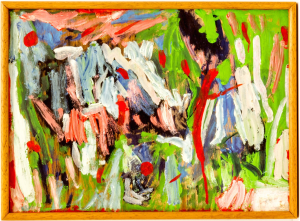 by Elizama Almeida
Among the items that make up the Clarice Lispector Collection, which has been at the IMS since 2004, are two paintings by the author.
 by Cicero Cunha Bezerra
Michel de Certeau, in his La fable mystique, addresses an important aspect in the relation between idiocy and holiness in the first centuries, particularly in Christian literature, namely: a mode of isolation in the crowd. Idiocy, in the form of madness, is attributed to the crowd, and additionally, is established as a provocation, a transgression in the field of the “right-minded.”