, 40 Years of The Hour of the Star. IMS Clarice Lispector, 2017. Disponível em: https://site.claricelispector.ims.com.br/en/2017/02/15/40-anos-de-a-hora-da-estrela/. Acesso em: 13 December 2025.
One of Clarice Lispector’s most translated books, The Hour of the Star was published almost 40 years ago by the José Olympio publishing house in October of 1977.
The Rocco publishing house, which as of 1998 assumed the republication of Clarice’s works, is preparing a special volume to celebrate the occasion. Expected to arrive in bookstores in May, the hardcover publication will include six essays written by scholars of the author, among them Nádia Gotlib, Eduardo Portella, Colm Tóibín, Hélène Cixous, and Paloma Vidal.
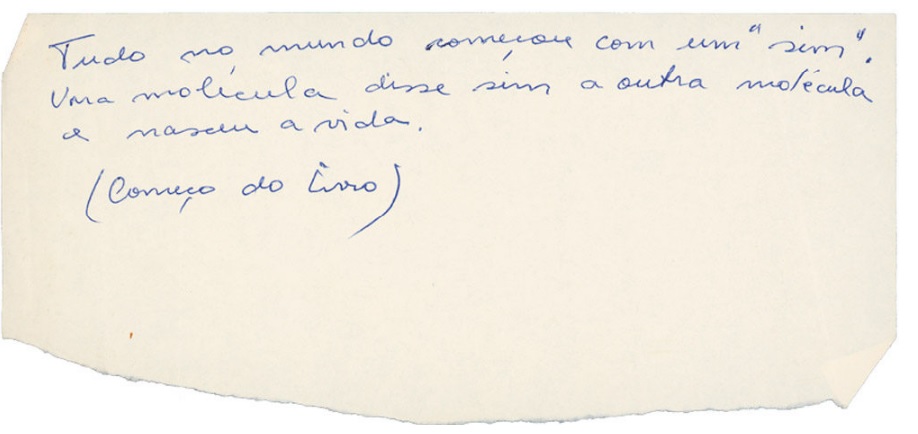
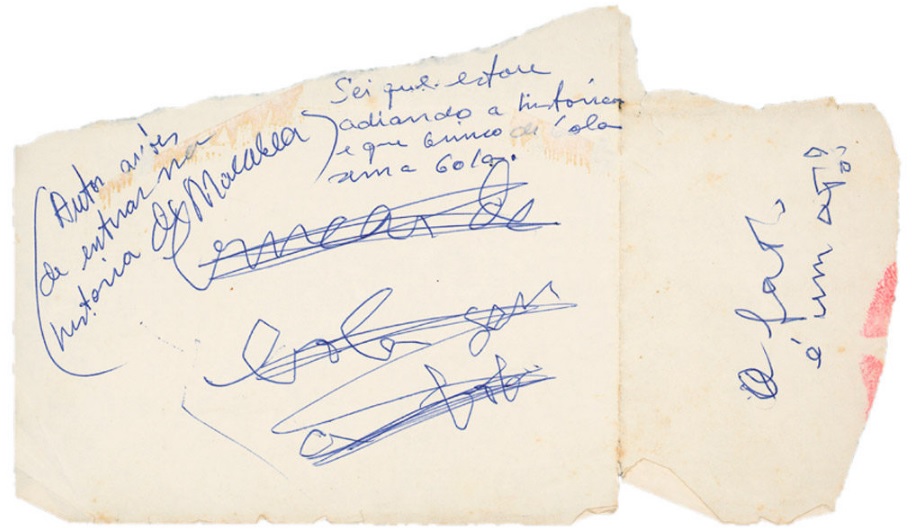
With a new look, the book will also have an extra section with a facsimile reproduction of the novella’s manuscripts. A part of these manuscripts, in the care of the IMS since 2004, has been scanned and can be accessed here.
Original manuscript of The Hour of the Star / Clarice Lispector Collection / IMS
In addition to the originals for The Hour of the Star, the Clarice Lispector Collection, which is entirely catalogued and available for research in person, is made up of the manuscripts of the novels A Breath of Life and Água Viva, family correspondence, two paintings by the author, LPs, photographs, negatives, and a personal library with around one thousand items, such as books and periodicals.
The numerous commentators who not only in Brazil but also throughout the world investigate Clarice Lispector’s work encounter several aspects to highlight in her multifaceted writing.1 From the fruitful tension between transcendence and contingence to the profound and refined attention to the human condition, one can encounter an immense variety of dimensions in her body of writings.
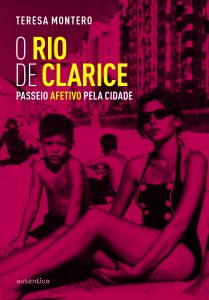
In the book Rio de Clarice, the author's pleasure in wandering the streets, forests, parks, and beaches of Rio de Janeiro, where she arrived as a 15-year-old, is evident.
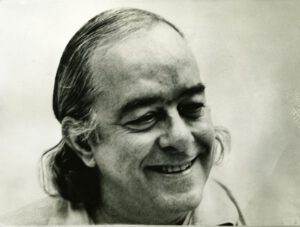
In the interviews done by Clarice there is a sort of unsuitableness for the job with respect to journalistic technique. With Vinicius de Moraes, her first approach sounds like a provocation: “Vinicius, have you really ever loved anyone in life?”
In addition to confirming the value of the biographical genre as a privileged means to meet the demands of a curious public about the past of famous personalities, Teresa Montero challenges the genre’s conventions by reconstructing the family life, personal experiences, friendships, and creative process of Clarice Lispector, an author who, with all her strengths, gave life to her vocation for literature as a fatality and a salvation.
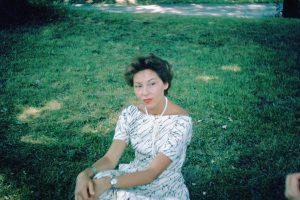
The film Clarice's Days in Washington captures a very different and decisive moment in the life and work of the writer, when she lived in the American capital with her family, between 1952 and 1959. In addition to a significant number of unpublished photographs – which record her domestic environment and interactions with friends – there are precious images filmed during a public event, in which the writer, her husband Maury Gurgel Valente, their son Paulo, in addition to friends of the couple appear.