IMS, Equipe. Clarice's Childhood. IMS Clarice Lispector, 2023. Disponível em: https://site.claricelispector.ims.com.br/en/2023/01/23/clarices-childhood/. Acesso em: 26 March 2026.
In this video lesson, Mell Brites, author of the book As Crianças de Clarice: Narrativas da Infância e Outras Revelações (The Children of Clarice: Narratives of Childhood and Other Revelations), addresses the theme of childhood in Clarice Lispector’s literature, both in her children’s books and in those aimed at an adult audience.
See also
 by Elizama Almeida
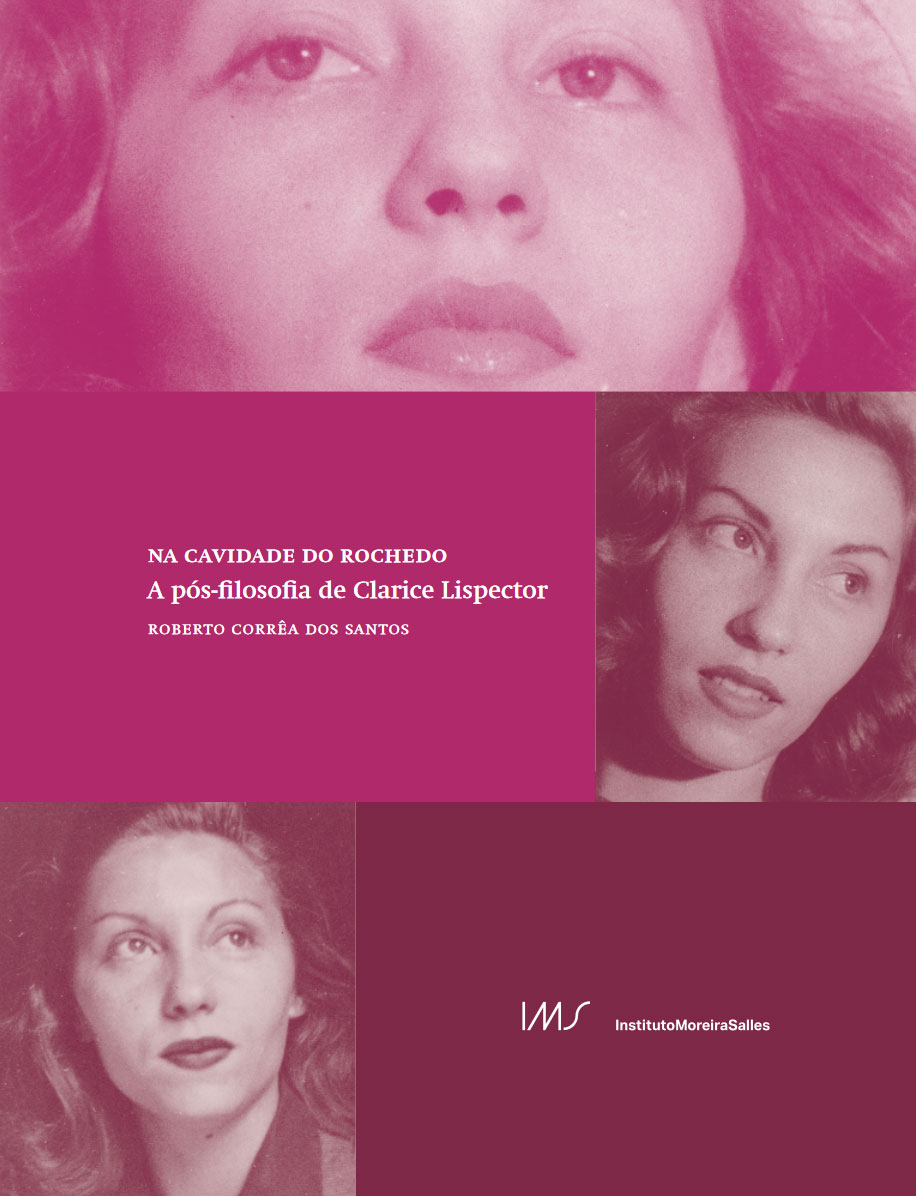
Na cavidade do rochedo: a pós-filosofia de Clarice Lispector (In the Cavity of the Rock: The Post-Philosophy of Clarice Lispector) is a study published exclusively in electronic format and available for download here.
 by Elizama Almeida
When we had no way of knowing that the hashtag
gratitude would be one of the terms referring to two
strong traits of the future...
 by Bruno Cosentino
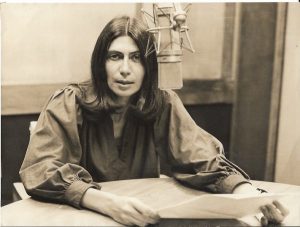
The writer Ana Maria Machado had an unusual and emotional episode with Clarice Lispector. This happened in 1975. After having read an article by Ana Maria, published that very day in the Jornal do Brasil, about the birthday of the writer Roland Barthes, Clarice, who did not know her personally, insistently asked her for help to organize what in two years would be the book The Hour of the Star.
 by Eliane Robert Moraes
Darkness is a hollow word and one never really knows what fits inside Its dimensions are so undetermined that perhaps it could even be said that everything fits and nothing fits in it, since, being an immense storehouse of paradoxes, the ambiguous quality of immeasurable is immediately added to the primordial void that characterizes it. These attributes, thus agreed, gain particular density when prepared by the wrought of the author of The Apple in the Dark.
 by Equipe IMS
 by Elizama Almeida
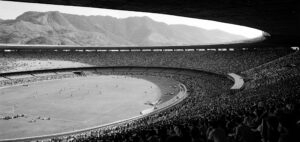
A conversation about football and literature between Armando Nogueira and Clarice Lispector

