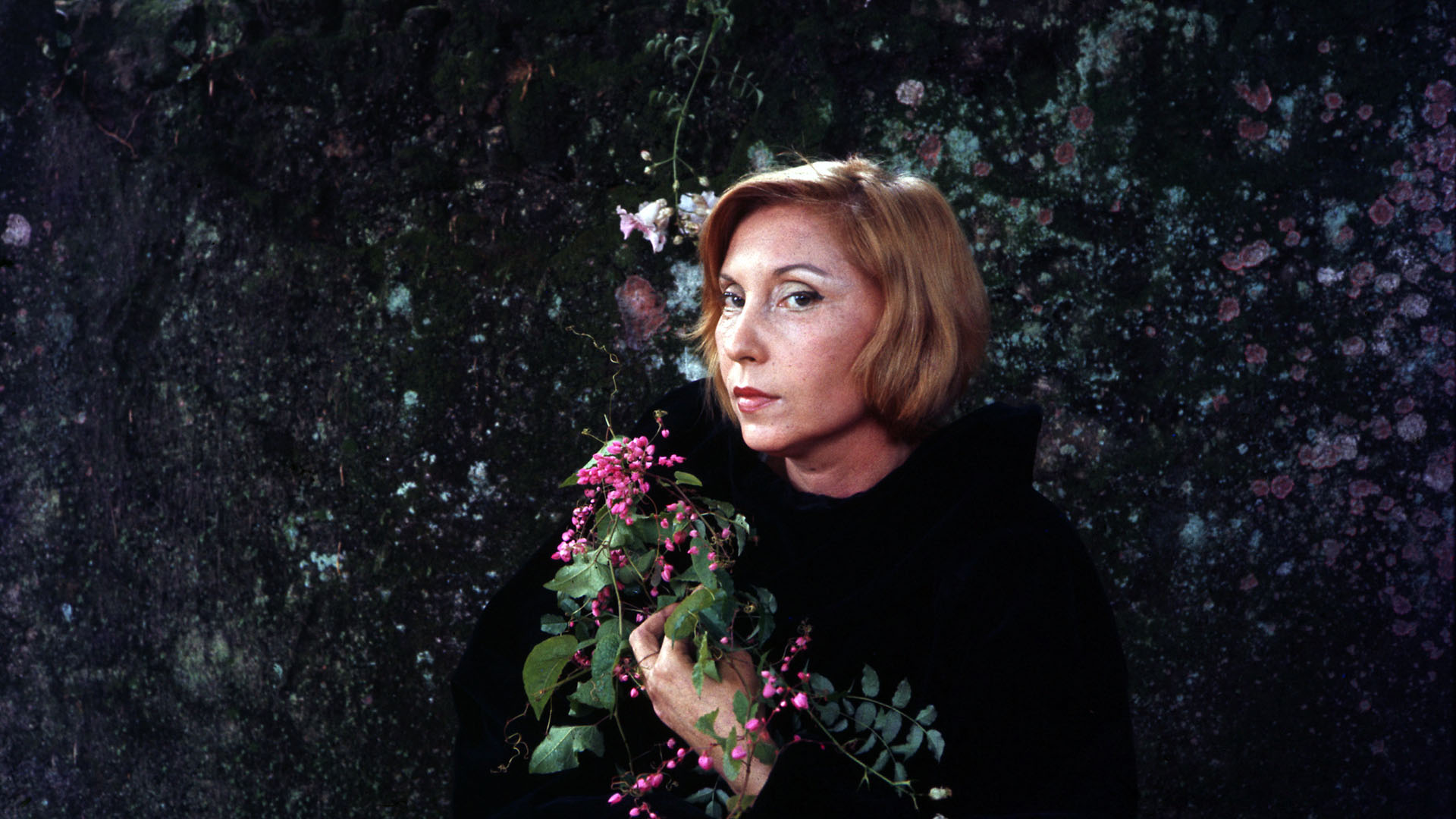
, After Clarice. IMS Clarice Lispector, 2017. Disponível em: https://site.claricelispector.ims.com.br/en/2017/11/16/after-clarice/. Acesso em: 26 March 2026.
While the cariocas, residents of Rio de Janeiro, prepare for the long holiday weekend in honor of Black Consciousness Day, St. Peter’s College, at the University of Oxford in England, is promoting a turbo-charged schedule for November 17-18 in honor of Clarice Lispector, to celebrate the 40th anniversary of her death.
Organized by Professor Claire Williams, the conference After Clarice: Lispector’s Legacy will gather the greatest experts of the work of the author of The Passion According to G.H. to discuss a wide range of topics.
By counting on academics who translated Clarice’s works, the conference aims to shed light on the different perspectives of translators into various languages, a topic that will lead to much debate.
Artists who have interpreted Clarice, personage or work, will not be left out. Gathering professors from Berlin to Beijing, including scholars from the University of Minho and the University of Ceará, and, of course, counting on several in-house professors, After Clarice will also hear specialists with respect to the editorial policies around the work of the honored author– not losing sight also of Clarice Lispector, the newspaper chronicler, who wrote to earn a living.
“To write is to shine,” Otto Lara Resende affirmed in the profile he created of the writer. Yes, Clarice will indeed shine in the English autumn at Oxford.
Those interested can see the schedule on the site https://afterclarice.wordpress.com/
See also
 by Elizama Almeida
In launching in 2015, in the United States, the unprecedented collection in one book of all the short stories by Clarice Lispector, the researcher Benjamin Moser...
 by Eliane Robert Moraes
Darkness is a hollow word and one never really knows what fits inside Its dimensions are so undetermined that perhaps it could even be said that everything fits and nothing fits in it, since, being an immense storehouse of paradoxes, the ambiguous quality of immeasurable is immediately added to the primordial void that characterizes it. These attributes, thus agreed, gain particular density when prepared by the wrought of the author of The Apple in the Dark.
 by Equipe IMS
On December 10th, IMS Rio celebrates Clarice Lispector’s birthday. This year, we will present, in a single screening, the short film Perto de Clarice (Close to Clarice), by João Carlos Horta, from 1982, in a new digital version based on the 35mm original preserved by the Audiovisual Technical Center (CTAv). After the film screening, there will be a conversation between the writer Heloisa Buarque de Holanda, who was involved in the making of the film and is the director's widow, and Teresa Montero, author of the most recent biography of the writer, À procura da própria coisa (In Search of the Thing Itself – Rocco, 2021), mediated by the IMS literature consultant, the poet Eucanaã Ferraz.
 by Bruno Cosentino
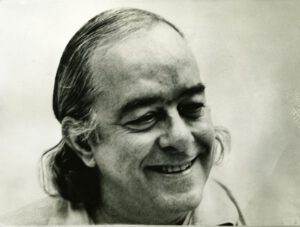
In the interviews done by Clarice there is a sort of unsuitableness for the job with respect to journalistic technique. With Vinicius de Moraes, her first approach sounds like a provocation: “Vinicius, have you really ever loved anyone in life?”
 by Elizama Almeida
Mineirinho, one of the Rio de Janeiro police’s most wanted criminals during the 1960s. José Miranda Rosa earned this nickname, naturally, for being born in the state of Minas Gerais.
 by João Camillo Penna
The work of Clarice Lispector revolves around on two notions: the symbol and the thing. The thing, physics, and the symbol, metaphysics; the thing, immanence, and the symbol, transcendence; the thing, the body, and the symbol, language; the thing, existence, and the symbol, the saying; the thing, the event, and the symbol, the way to make it possible to read the nonsymbolizable thing.