, 40 Years of The Hour of the Star. IMS Clarice Lispector, 2017. Disponível em: https://site.claricelispector.ims.com.br/en/2017/02/15/40-anos-de-a-hora-da-estrela/. Acesso em: 14 April 2026.
One of Clarice Lispector’s most translated books, The Hour of the Star was published almost 40 years ago by the José Olympio publishing house in October of 1977.
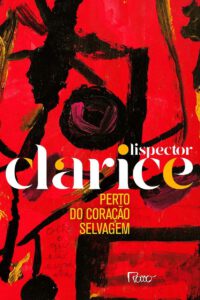
The Rocco publishing house, which as of 1998 assumed the republication of Clarice’s works, is preparing a special volume to celebrate the occasion. Expected to arrive in bookstores in May, the hardcover publication will include six essays written by scholars of the author, among them Nádia Gotlib, Eduardo Portella, Colm Tóibín, Hélène Cixous, and Paloma Vidal.
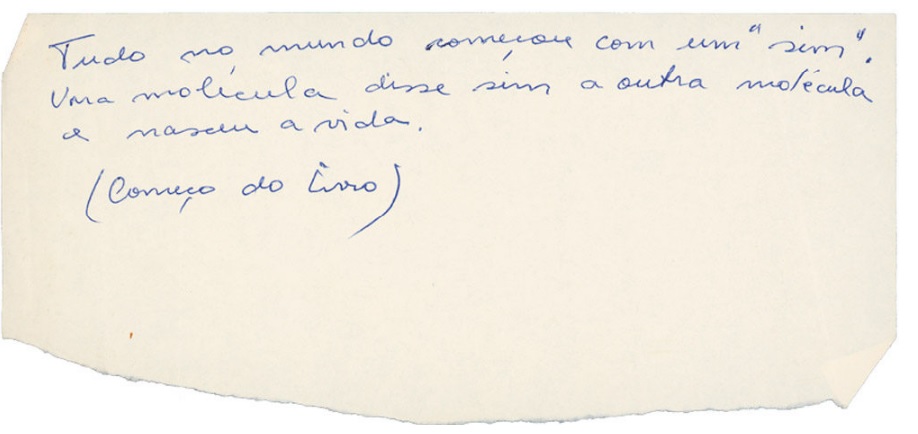
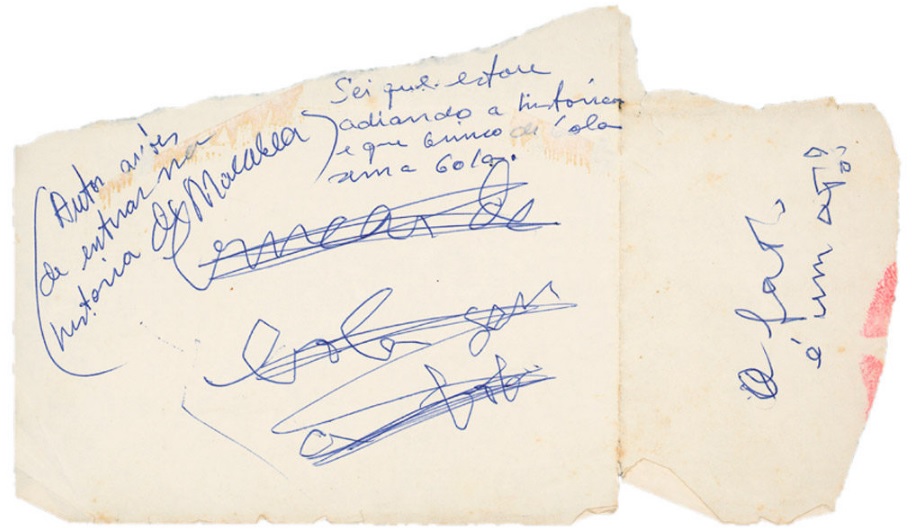
With a new look, the book will also have an extra section with a facsimile reproduction of the novella’s manuscripts. A part of these manuscripts, in the care of the IMS since 2004, has been scanned and can be accessed here.
Original manuscript of The Hour of the Star / Clarice Lispector Collection / IMS
In addition to the originals for The Hour of the Star, the Clarice Lispector Collection, which is entirely catalogued and available for research in person, is made up of the manuscripts of the novels A Breath of Life and Água Viva, family correspondence, two paintings by the author, LPs, photographs, negatives, and a personal library with around one thousand items, such as books and periodicals.
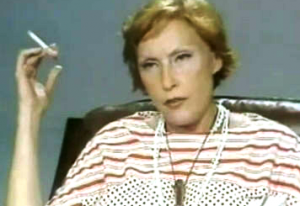
In February of 1977, Clarice visited the studios of TV Cultura and accepted the invitation to be interviewed by the journalist Júlio Lerner, host of the program “Panorama Especial”
At the 35th edition of the Paris Book Fair, Brazil was the country of honor. The program was marked by an exhibition dedicated to Clarice Lispector at Éditions des Femmes,
In the 2025 edition of Clarice’s Hour, we will celebrate, through the voices and presentations of kids, the children's story “Laura’s Intimate Life,” published as a book by Clarice Lispector in 1974. In this film, six children retell, act, illustrate, and co-direct the story of Laura the hen, her husband Luís, and their son Hermany in Dona Luísa's henhouse.
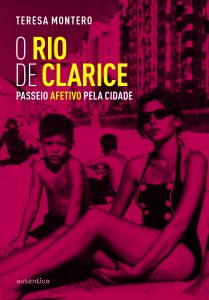
In the book Rio de Clarice, the author's pleasure in wandering the streets, forests, parks, and beaches of Rio de Janeiro, where she arrived as a 15-year-old, is evident.
Clarice’s connection with politics does not take place on the surface of public life, or in the texts that directly address the issue. This is due to the writer’s understanding of the rift between art and politics, which is addressed in two related texts, “Literature and Justice” and “What I Would Like to Have Been,” in which she observes with disconcerting lucidity the uselessness of her literature as a political instrument.