, Pens, Paper, and Records. IMS Clarice Lispector, 2014. Disponível em: https://site.claricelispector.ims.com.br/en/2014/07/22/caneta-papel-e-discos/. Acesso em: 26 March 2026.
Listening to music is not only a pleasurable activity but also an almost necessary task for those whose vocation it is to incorporate words – a mixture of sound and silence – as a way of illuminating existence. In the archives of Clarice Lispector, Otto Lara Resende, and Decio de Almeida Prado, there are several LPs that help us get to know a little about the musical taste of these three writers.
Clarice Lispector, for example, was explicit in relation to what music meant to her. In Água Viva, she confesses: “I see that I’ve never told you how I listen to music – I gently rest my hand on the record player and my hand vibrates, sending waves through my whole body: and so I listen to the electricity of the vibrations, the last substratum of reality’s realm, and the world trembles inside my hands.”
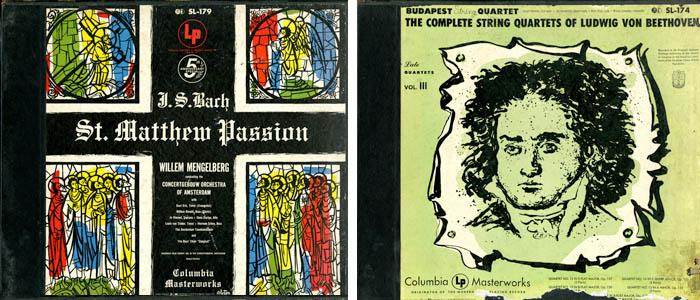
Covers from Clarice Lispector’s LPs: on the left, St. Matthew Passion, by J.S. Bach, performed by the Concertgebouw Orchestra of Amsterdam; on the right, The Complete String Quartets of Ludwig von Beethoven, performed by the Budapest String Quartet. Clarice Lispector Archive / IMS Collection
On the left, Jeanne D’Arc au bucher, by Arthur Honegger, performed by The Philadelphia Orchestra; on the right, Othello, by William Shakespeare, with Paul Robeson, José Ferrer, Uta Hagen, and Edith King. Clarice Lispector Archive / IMS Collection.
See also
 by Elizama Almeida
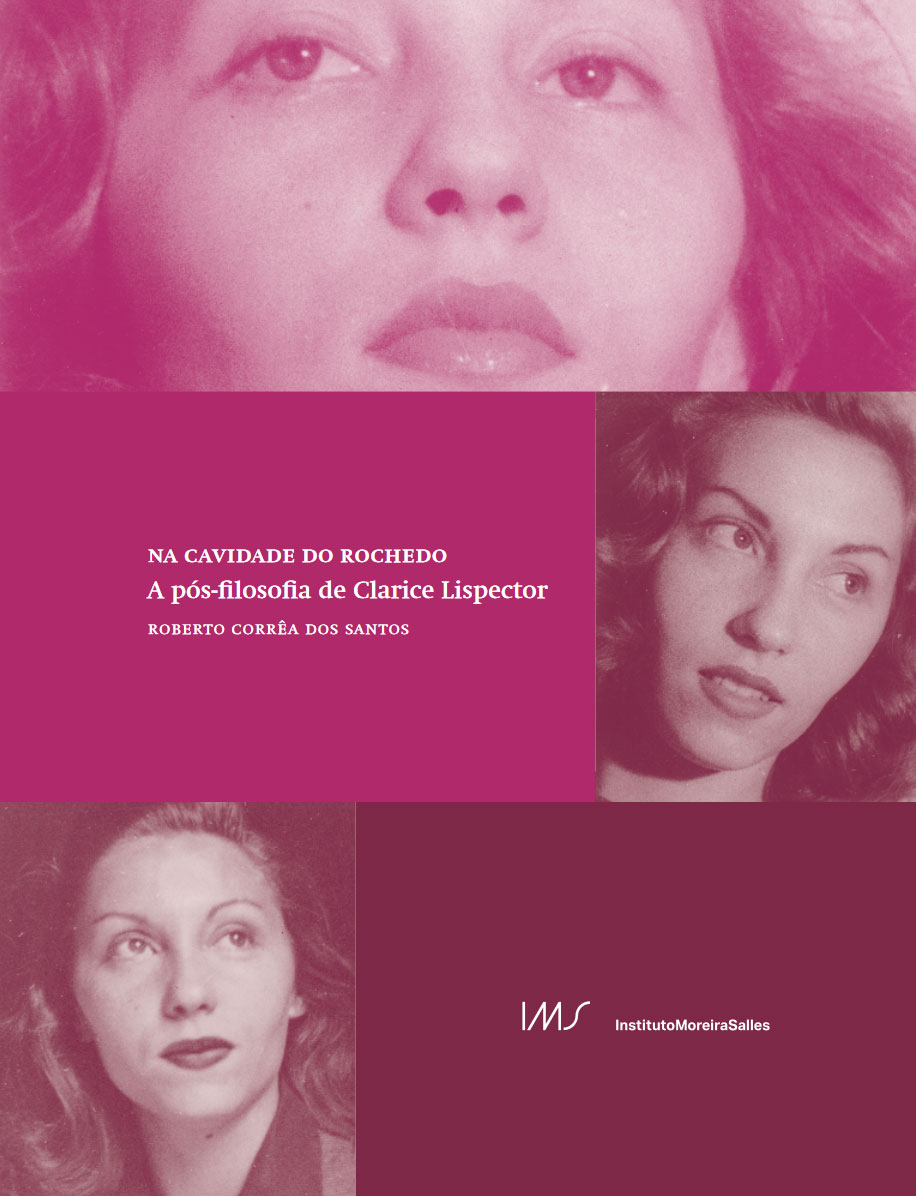
Na cavidade do rochedo: a pós-filosofia de Clarice Lispector (In the Cavity of the Rock: The Post-Philosophy of Clarice Lispector) is a study published exclusively in electronic format and available for download here.
 by Bruno Cosentino
Academic studies on Clarice Lispector continue to be developed at foreign universities. In 2017, a wide-ranging seminar about the author was held at the University of Oxford.
 by Yudith Rosenbaum
The word “unfamiliar” is used by Clarice Lispector in several of her works. To be precise, in the original Portuguese, Clarice employed the neologism infamiliar, which is not in the dictionary, though it cannot be affirmed that the author is the source of this term in Brazilian literature. Nonetheless, by mentioning the word “unfamiliar” at least sixteen times, whether in novels, short stories, or chronicles, the author makes this unique signifier an object of greater attention.
 by Elizama Almeida
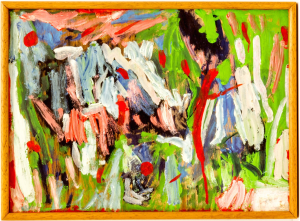
Among the items that make up the Clarice Lispector Collection, which has been at the IMS since 2004, are two paintings by the author.
 by Equipe IMS
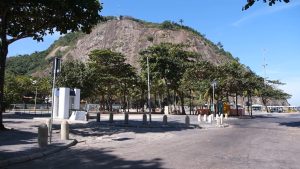
Clarice Lispector spent her childhood in Recife, but at the age of 15 she moved with her father and two sisters to Rio de Janeiro. It was in the then capital of Brazil that the writer lived her youth and early adult life: she completed high school, graduated from law school, had her first professional experiences in the press, got married, and in 1943, released her first book Near to the Wild Heart.
 by Bruno Cosentino
Clarice’s connection with politics does not take place on the surface of public life, or in the texts that directly address the issue. This is due to the writer’s understanding of the rift between art and politics, which is addressed in two related texts, “Literature and Justice” and “What I Would Like to Have Been,” in which she observes with disconcerting lucidity the uselessness of her literature as a political instrument.